What Is The Cheapest Month To Visit Italy?
The cheapest month to visit Italy is usually January, and Rome in January proves it: free museum days, low-season rooms and a city that gives away its biggest sights. Here is how to plan it.
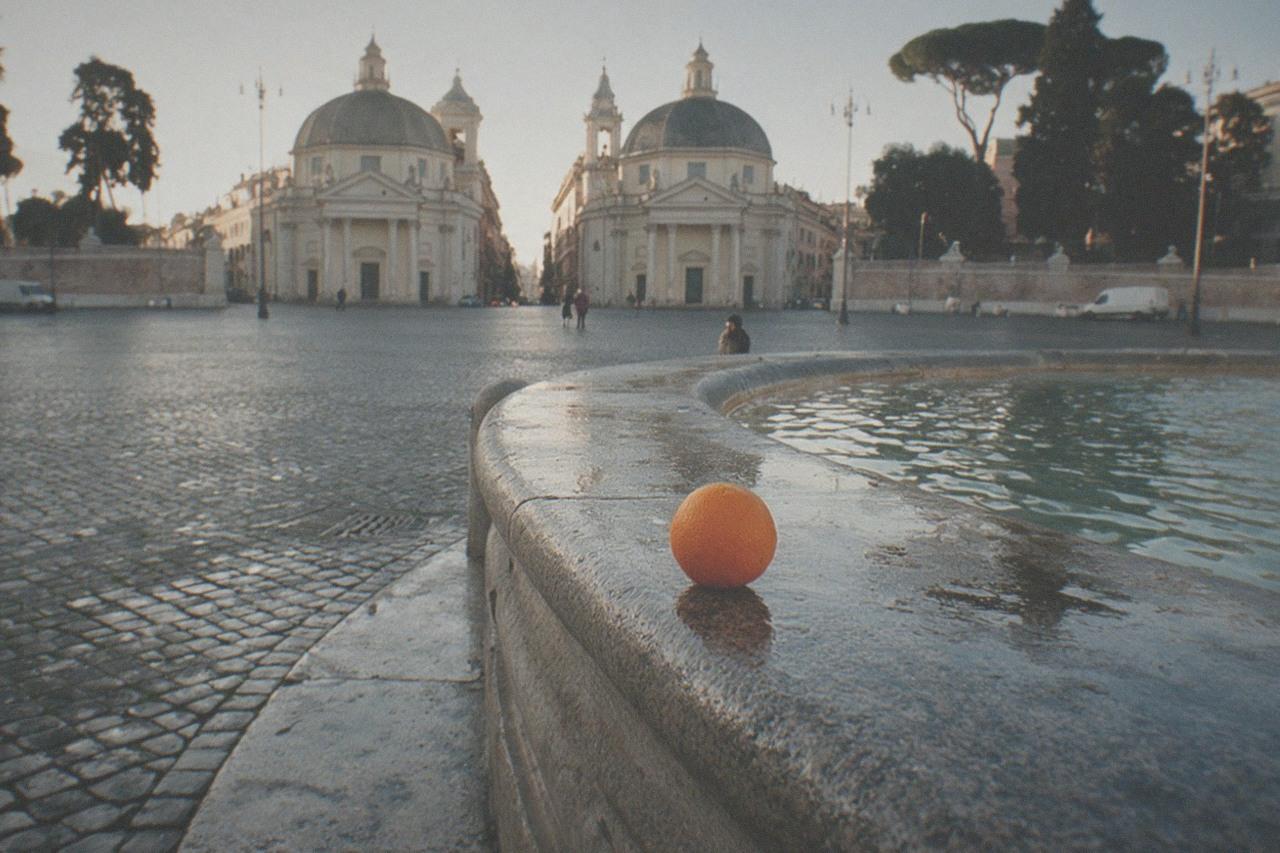
What Is The Cheapest Month To Visit Italy?
January is the cheapest month to visit Italy in almost every year, and the weeks immediately after the January holidays are the cheapest of all. Flights and rooms across the country drop to their low-season floor, queues shrink, and in Rome the city itself leans into it: on 1 January 2026 most civic museums, temporary exhibitions and archaeological areas opened free under the Roma Capodarte programme. Cheap and empty are not the same thing as closed. Rome recorded 22,965,222 tourist arrivals and 52,920,135 overnight stays in 2025, an average stay of 2.3 nights, and those visitors do not spread evenly across the calendar. They pile into spring, summer and the Christmas run-up, which is exactly why late January and early February price the way they do.
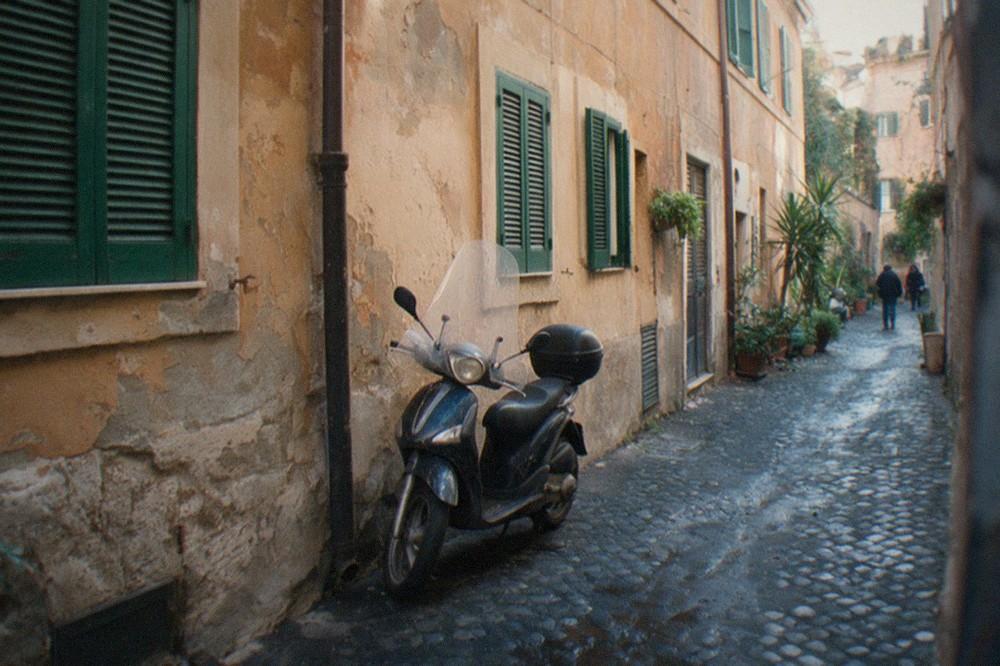
The honest version of this answer has two parts. The first is that Italy's costs split into a travel half and a being-there half, and only the travel half swings hard by month. The second is that Rome, more than most Italian cities, lets you flatten the being-there half toward zero, because so much of what people come for is either free every day or free on a published schedule. The Colosseum, the Roman Forum and the Palatine are free to everyone on the first Sunday of every month under the national Domenica al Museo scheme, confirmed running through 2026. The Vatican Museums are free on the last Sunday of the month, 09:00 to 14:00 with last entry at 12:30, walk-in with no booking, except when that Sunday is Easter, 29 June, 25 December, 26 December or 31 December. One of the free walking routes passes through here: Colosseum Walk, Bilingual, 1 Hour 45.
So a January or February trip does not just buy you cheaper beds. It buys you a calendar where a bigger share of your sightseeing can be engineered to cost nothing, if you know which days to land on. That is the angle most cheapest-month guides miss, because they only ever talk about airfare. A reader planning around the free-entry calendar should start with free Sundays in Rome explained, which breaks down what the first-Sunday scheme actually includes and, just as importantly, what it does not.
There is also a Rome-specific wrinkle worth knowing before you book anything. The city's tourist tax, the contributo di soggiorno, is charged per person per night and does not vary by season, so it cannot be timed away. A 3-star hotel carries EUR 6.00 per person per night, a 4-star EUR 7.50, a hostel EUR 3.50, capped at 10 nights in the same structure, under rates in force since 1 October 2023. Whatever month you pick, that charge rides along with the room. Minors up to their tenth year are exempt, along with youth-hostel guests, patients and one companion, and people with severe disability plus a carer, so families and some other travellers pay less than the headline bands suggest.
If you want a guide alongside you in the cheap months rather than walking solo, the pay-what-you-want walks on GuruWalk cost nothing up front, and the busiest of them run all year. These three are a good spread across the center and ancient Rome:
Why The Cheapest Month Is Also A Genuinely Good Month In Rome
Late January and February are cheap because demand is low, not because Rome withdraws its product. The major basilicas stay free every day, St Peter's opens 07:00 to 20:00 year round, the first-Sunday scheme runs every month including the winter ones, and the crowds that push 30,000 people a day into Piazza di Trevi on average are simply thinner. The city's own numbers frame the difference: Piazza di Trevi averages 30,000 accesses a day, peaks at 70,000, and counts over 9 million visitors a year. In deep February you are sharing that square with a fraction of them.
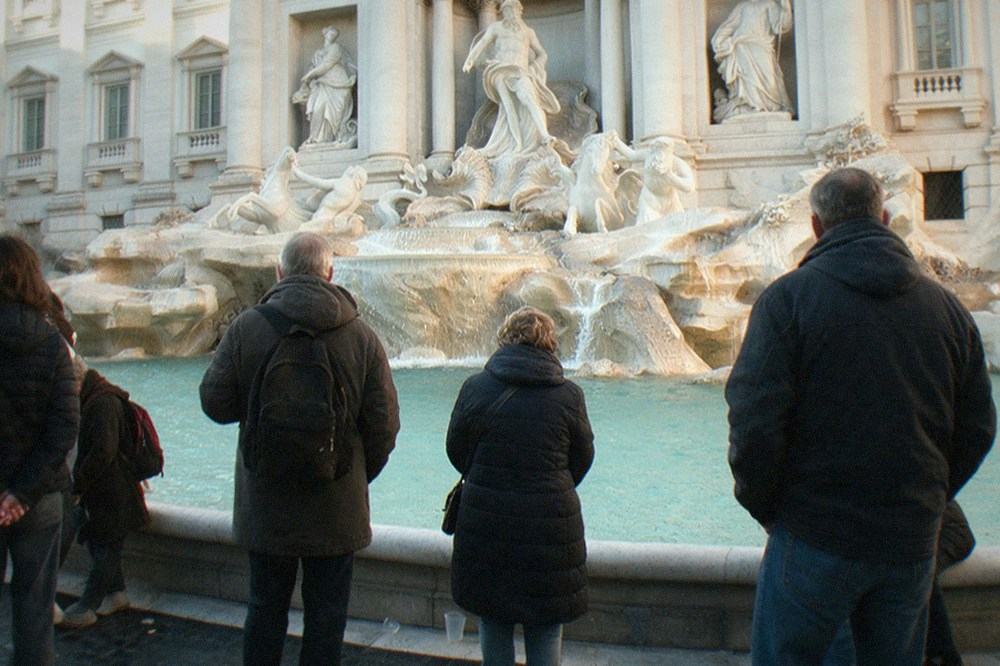
One thing has changed at that fountain, and every budget article still gets it wrong. Since 2 February 2026, non-residents pay EUR 2 to enter the inner perimeter right at the basin, every day from 09:00 to 22:00, and from 11:30 on Mondays and Fridays, first Sunday of the month included. The fountain itself remains free to see from the square at any hour, and free to everyone after 22:00, in the city's own words. Free for residents of Rome and the Città Metropolitana with ID, for people with disabilities and a companion, and for children under 6. So the cheap-month visitor gets the same view for nothing that the August visitor pays EUR 2 to stand closer to.
The winter calendar also carries a free day that summer never offers. Roma Capodarte opened most civic museums, temporary exhibitions and archaeological areas free on 1 January 2026, and the pattern is a recurring one, though the city has not promised a 2027 edition. Combine that with a first Sunday and a last Sunday inside one cheap fortnight and you can build a week where the Colosseum, the Forum, the Pantheon and the Vatican Museums all cost nothing, with the Pantheon's free first-Sunday tickets collected on site at the cash desks and totems rather than booked online. The free Colosseum ticket is handed out in order of arrival at the ticket office in Piazza del Colosseo and at Largo della Salara Vecchia, and it excludes the arena floor, the underground, the upper levels and the SUPER sites, so plan that day for the general circuit rather than the special routes. A free walk covers this ground: 11 Spots, 2 Hours 45.
The center itself is best understood on foot, and the pay-what-you-want format suits a low-season budget exactly, because you decide the price after the walk. The Bilingual Center Walk, 2 hours and 15 minutes in English and Spanish, runs from Foro Traiano through the historic core, rated 4.82 across 1,529 GuruWalk reviews. It is a sensible first-day orientation for a January trip.
For readers weighing whether the format itself holds up in the quiet months, when guides depend on a smaller flow of visitors, this honest look at whether free walking tours in Rome are worth it covers the economics from both sides.
What Does A Day In Rome Actually Cost Once You Arrive?
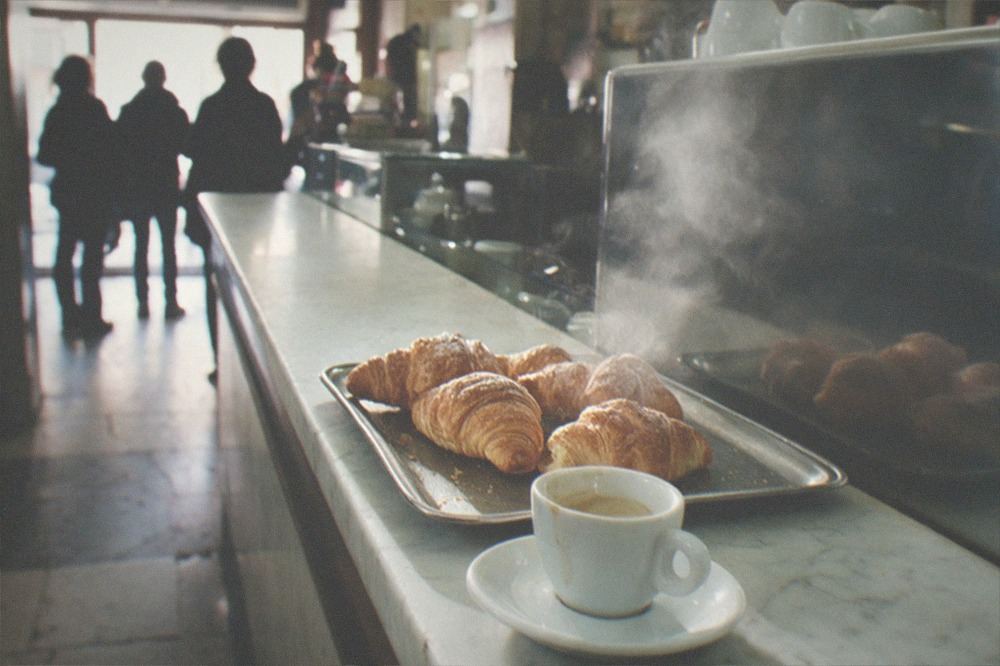
The fixed costs of a Rome day are small and mostly published: a 100-minute BIT transport ticket is EUR 1.50, an espresso at the bar averaged EUR 1.19 in the province of Rome in 2026, and the tourist tax runs EUR 3.50 to EUR 10.00 per person per night depending on your accommodation grade. What swings the total is entry fees, and those are the part a cheap-month plan can compress hardest. The table below pulls together the recurring numbers a visitor actually pays.
| Cost | Amount | Notes |
|---|---|---|
| BIT transport ticket | EUR 1.50 | Valid 100 minutes, one metro journey included |
| Roma 24H pass | EUR 8.50 | Unlimited travel within Rome for 24 hours |
| Roma 48H pass | EUR 15.00 | Unlimited travel within Rome for 48 hours |
| Espresso at the bar | EUR 1.19 average | Province of Rome, 2026, from official price-observatory data |
| Tourist tax, 3-star hotel | EUR 6.00 per person per night | Max 10 nights, same structure |
| Tourist tax, hostel | EUR 3.50 per person per night | Cheapest accommodation band |
| Trevi inner perimeter | EUR 2.00 | Non-residents, 09:00 to 22:00; free from the square |
| Public toilet at Termini | EUR 1.00 | Card or cash, level -1 and level 1 |
| Contactless tap per journey | EUR 1.50 | Caps automatically at the EUR 8.50 day fare after four taps |
Two of those numbers deserve a sentence of explanation, because they are the ones people get caught by. The contactless Tap and Go system charges EUR 1.50 per journey and then automatically applies the EUR 8.50 Roma 24H fare once you have made four taps within 24 hours, so a tapping visitor cannot overpay even on a heavy sightseeing day. And travelling without a valid ticket costs EUR 104.90 in total, EUR 100 penalty plus costs plus the fare, reduced to EUR 54.90 if paid within five days. Children up to 10 travel free with a fare-paying adult, which quietly makes Rome one of the cheaper Italian cities for families. The rest of the planning pages sit on Free Things To Do In Rome.
The pass prices rose on 1 July 2025 under a Regione Lazio deliberation, the 24H from EUR 7 to EUR 8.50, the 48H from EUR 12.50 to EUR 15, the 72H from EUR 18 to EUR 22 and the weekly CIS from EUR 24 to EUR 29, so any article quoting the old figures is a year out of date. The official fare detail sits on ATAC's ticket page. If your cheap month is January, note that the night-time ZTL in the centro storico is not active in August, which matters only if you are driving, and that a 30 km/h limit now applies across the daytime ZTL perimeter.
For a fuller costing of the whole trip, from the tax bands to what a free-entry itinerary does to the daily total, the Rome on a budget guide works through it day by day.
Which Cheap Months Are Comfortable, And Which Are Cheap For A Reason?
January and February are the cheapest months and perfectly comfortable for sightseeing, with Rome's shortest days still giving sunrise around 07:34 and sunset around 16:41 on 21 December, while July and August are the months where the price of a room buys you 35-degree-plus days and a heat bulletin to match. Rome hit 40.1 degrees on 29 June 2026 at the Collegio Romano station, in a spell with 13 or more days at or above 35 degrees by the end of June, and the Ministry of Health issued a level 3 red heat notice for the city on 3 September 2026. Cheap in August is cheap partly because the city is hot, and no official source supports the folk belief that Rome simply shuts that month.
The sweet spots, if you want cheap without deep winter, are the shoulder edges: late February into early March, and November. Both sit outside the peak demand bands, both keep the full free-entry calendar, and both avoid the heat constraint that shapes a Roman summer day around the morning and the evening. The Gianicolo viewpoint is published as always accessible with free entry, the Orange Garden keeps long seasonal hours, and the Aventine Keyhole is free and unticketed at any hour, so the free half of the city never closes for the season. Rome's longest day, 21 June, runs 15 hours 13 minutes between sunrise at 05:34 and sunset at 20:48, against 9 hours 7 minutes on the shortest day in December, which is the real trade a winter trip makes: fewer daylight hours, far fewer people.
November has one more card to play. The Giornate Europee del Patrimonio fell on 26 and 27 September in 2026 with a symbolic EUR 1 evening opening at state museums on the Saturday, a cheap night rather than a free one, and the Notte dei Musei in May drew about 80,000 visitors across participating sites, about 50,000 of them at the civic museums. Those one-night events are not reasons to pick a month on their own, but they show the pattern: the Italian cultural calendar is dotted with free and nearly-free openings that cluster outside the July-August peak.
A first morning in any of these months is well spent at Campo de' Fiori, where the Two-Hour Highlights Walk meets, rated 4.9 across 722 GuruWalk reviews. It is the shortest of the center walks, which suits a cold day, and the square itself costs nothing to wander.
One more planning note that saves real money in any month: under-18s of any nationality enter every state museum free, from the Colosseum to the Pantheon, and the EUR 2 reduced rate for 18 to 25 year olds applies to EU citizens, extended to non-EU citizens only on reciprocity. The Ministry's concessions page states the under-18 rule without any nationality condition. A family with teenagers should do the arithmetic before assuming the cheapest month matters more than the cheapest tickets.
For travellers who want a guide's perspective without any fixed outlay beyond the tip, these three pay-what-you-want walks cover the evening side of the city, its most famous paintings and one of its most characterful neighbourhoods:
Common Questions About The Cheapest Month To Visit Italy
What Is The Cheapest Month To Visit Italy?
January, and specifically the weeks after the January holidays, when low-season pricing applies across Italian hotels and flights. In Rome the month also opens with the Roma Capodarte free-museum day on 1 January, and the first-Sunday and last-Sunday free-entry rules keep running through the winter.
Is Rome expensive once you arrive?
The fixed daily costs are modest. A transport ticket is EUR 1.50, an espresso at the bar averages EUR 1.19, and the tourist tax runs EUR 3.50 to EUR 10.00 per person per night by accommodation grade. Entry fees are the variable, and much of Rome's sightseeing can be planned around free days.
Do free museum Sundays run in winter?
Yes. The national first-Sunday scheme, Domenica al Museo, covers state sites including the Colosseum, the Forum and the Palatine every month of the year, and the Vatican Museums are free on the last Sunday of the month. Free Colosseum tickets are collected in person on the day and exclude the arena, the underground and the SUPER sites.
Is August cheap because everything closes?
August rooms can be cheaper, but no official source supports the claim that Rome shuts down that month. It is simply hot: Rome recorded 40.1 degrees in late June 2026 and the city issues heat notices through summer. Sightseeing in August is a morning-and-evening activity.
What is free in Rome on any day of the year?
The major basilicas, including St Peter's, which opens 07:00 to 20:00 year round, the public squares, the Gianicolo and the Aventine Keyhole viewpoints, Villa Borghese's parkland, and every pay-what-you-want GuruWalk walking tour, where you decide the amount at the end.
Does the tourist tax change by season?
No. The contributo di soggiorno is fixed per person per night by accommodation category, EUR 6.00 at a 3-star hotel for example, capped at 10 nights in the same structure. It cannot be timed away by choosing a cheaper month.