Free Churches In Rome: Which Basilicas Cost Nothing To Enter
Rome has hundreds of churches and almost none of them charge for entry. This guide separates the genuinely free basilicas from the ones with paid crypts, cloisters and excavations, using each institution's own published rules.
Short answer
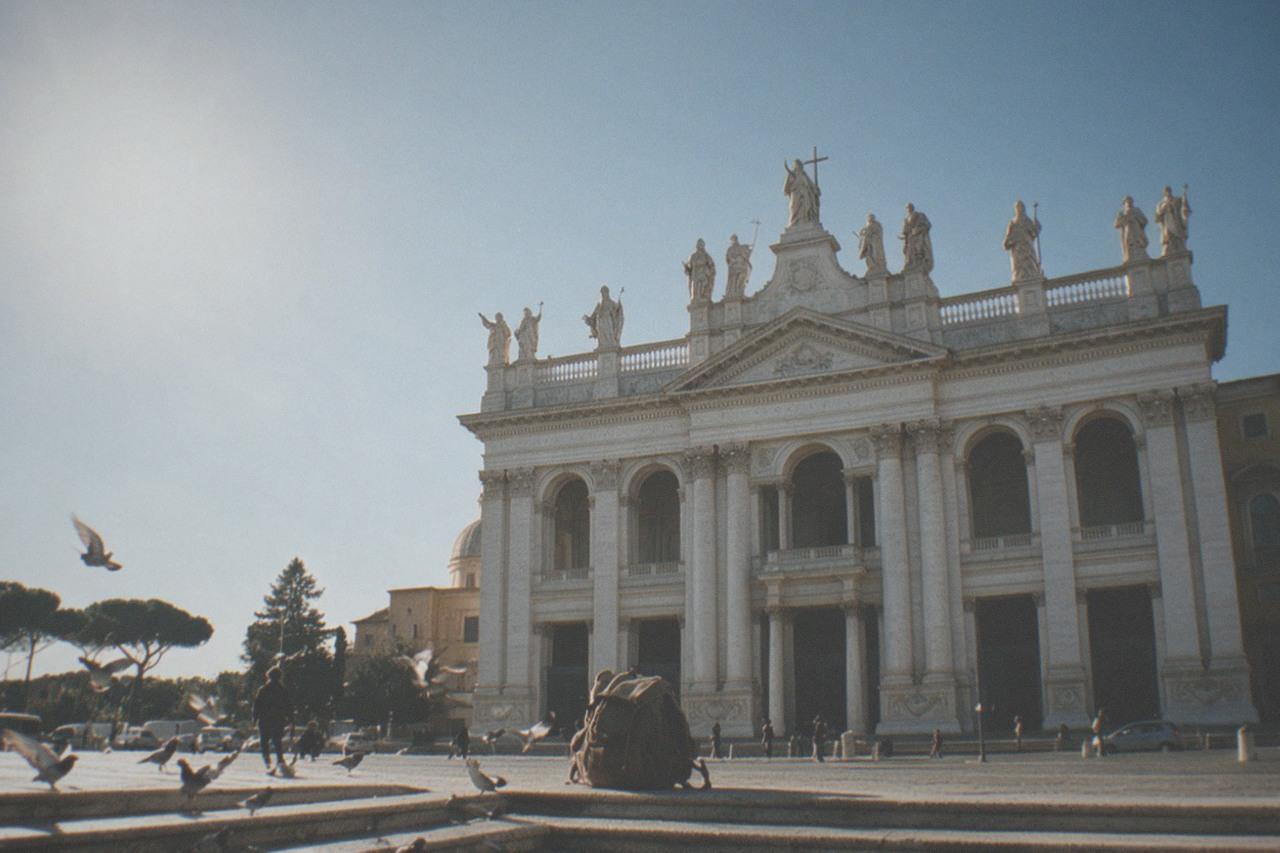
Almost every church in Rome is free to enter, including St Peter's Basilica, Santa Maria Maggiore, San Giovanni in Laterano and San Paolo fuori le Mura, all open roughly 07:00 to 18:30 or later. The exceptions are underground: San Clemente's excavations cost EUR 10, the Sancta Sanctorum EUR 3.50 and San Paolo's cloister EUR 4. No Rome church introduced an entry charge in 2025 or 2026.
Rome is one of the few cities where the most spectacular interiors cost nothing to walk into. A church holding three genuine Caravaggio paintings, a church built on top of a fourth-century basilica, the burial place of Saint Paul: all free, all open most of the day, and mostly a short walk from one another. The money in Rome's churches is underground, in excavations, crypts and cloisters, and knowing where that line falls is the difference between a free day and a day of surprise tickets.
This guide covers the churches in the institution's own words wherever possible. Hours, free status and prices come from the parishes, basilicas and state bodies that run each building, not from guidebooks, and where an official page does not publish something, it says so rather than guessing.
Which Churches In Rome Are Actually Free To Enter?
Almost all of them. Rome's churches are places of worship first and attractions second, and entry to the nave of nearly every one costs nothing, with no ticket and no booking. The four major basilicas are free, the Caravaggio churches are free, and San Pietro in Vincoli charges nothing for the upper basilica or for Michelangelo's Moses. What costs money is what lies beneath or beside the free nave: excavations, crypts, cloisters and museum rooms.
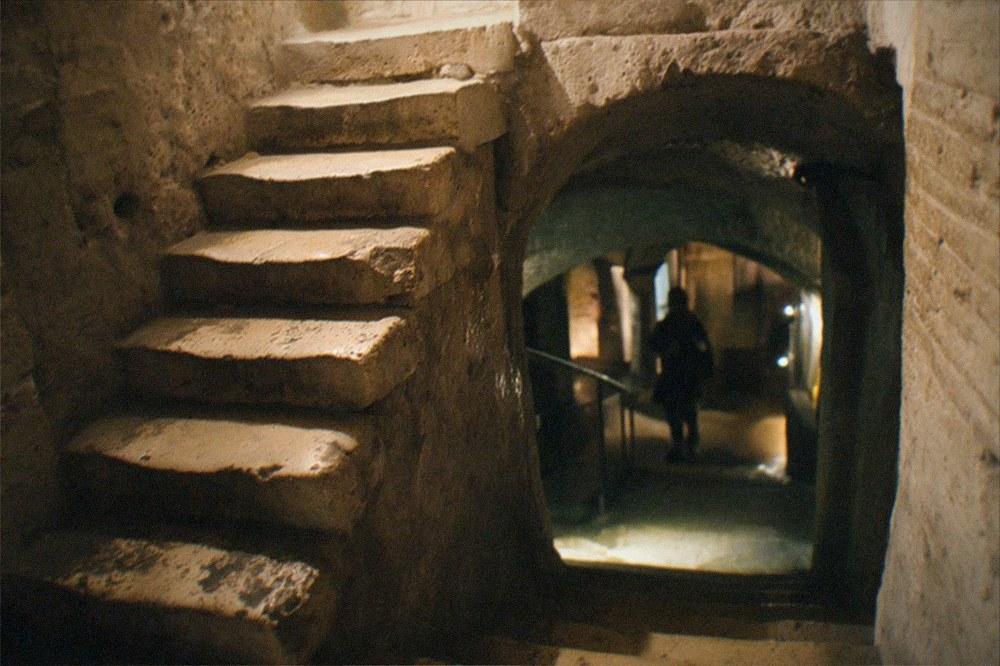
That distinction matters because guidebooks routinely blur it. San Clemente is the classic case: the EUR 10 adult ticket and the compulsory online booking apply to the archaeological excavations, the fourth-century lower basilica and the Mithraeum, not to the twelfth-century church above them. A visitor who reads only the headline price assumes the whole complex is paid. It is not.
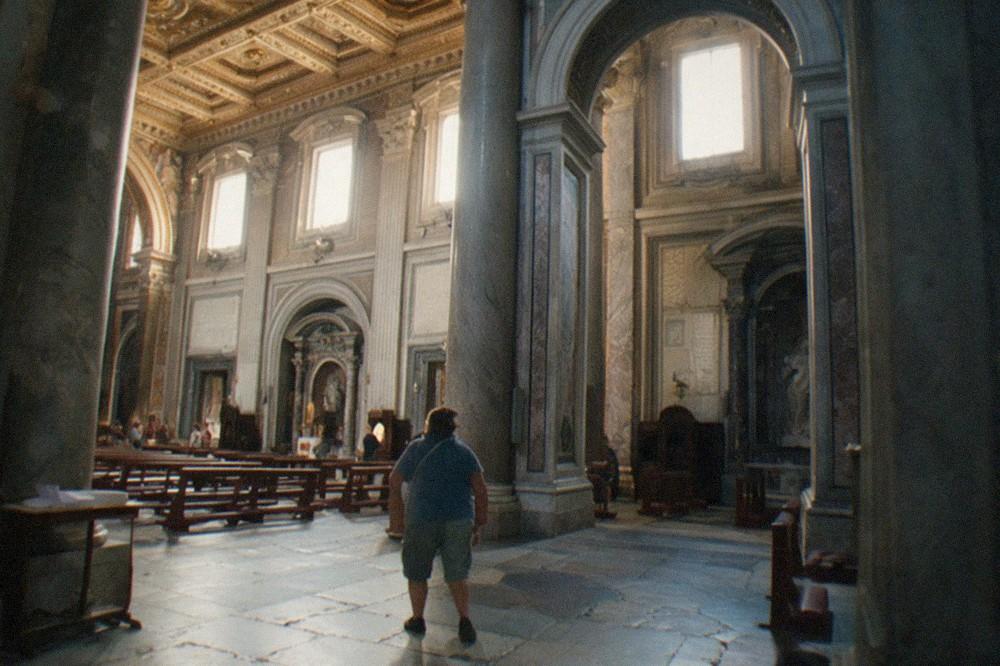
There is also a reassuring pattern worth stating plainly: repeated searches of Italian sources in 2025 and 2026 found no Rome church that introduced a ticket, a compulsory reservation or a donation gate. The trend in Rome's cultural pricing has run the other way, toward monument perimeters and museum tickets, while the churches have stayed open. That is a finding about the recent past, not a promise about the future, but it is the current state of play.
One practical note before the details. Rome's churches are working parishes, and Mass takes priority over tourism. Several of the most visited, including Santa Maria del Popolo, bar sightseeing visits during services, and hours can shift around liturgical calendars. Checking the parish's own page on the morning of a visit costs a minute and saves a wasted trip.
What Are The Four Major Basilicas, And What Do They Cost?
St Peter's, Santa Maria Maggiore, San Giovanni in Laterano and San Paolo fuori le Mura are all free to enter, with the basilicas' own sites stating it in writing. St Peter's opens 07:00 to 20:00 year round, and the other three open roughly 07:00 to 18:30 daily. The paid parts are separate: St Peter's dome, the Sancta Sanctorum at EUR 3.50, and San Paolo's cloister at EUR 4. The naves themselves never charge.
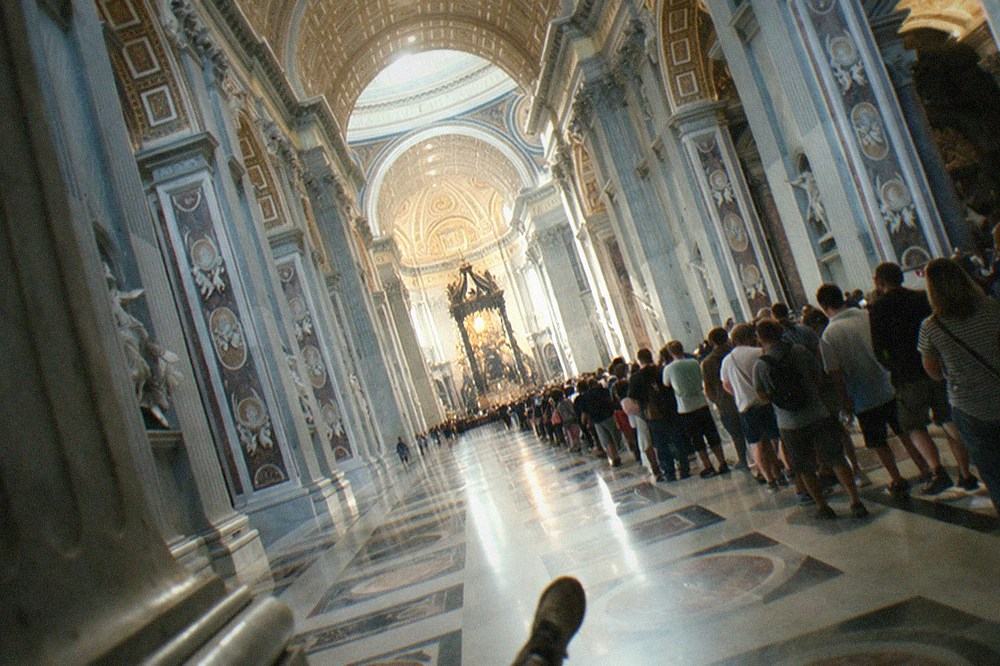
St Peter's Basilica puts it in one sentence on its own help pages: "Entrance to St Peter's Basilica is free of charge." The confusion comes from the basilica's official booking channel, which sells a EUR 7 product that bundles a guaranteed time slot with a digital audio guide. That is a convenience purchase, not an entry fee; the free walk-in queue through the State Police security checkpoints in the right hemicycle of St Peter's Square still exists. Since 1 June 2026 the basilica has opened every day 07:00 to 20:00, with last entry at 19:15. The dress code is published: long trousers for men, trousers or skirts below the knee for women, shoulders covered for everyone. The basilica's own visitor page carries all of this, and the Vatican Grottoes beneath, holding the tombs of many popes, are also free to visit. A free walk covers this ground: Small-Group Vatican, 1 Hour 30.
Santa Maria Maggiore publishes "free admission" on its own site and opens daily 07:00 to 18:30, last entry 18:00. Bernini's tomb sits in the free part of the church. The Polo Museale, the Loggia delle Benedizioni, the Hall of Popes and the panoramic terraces are ticketed, and their prices are not published online, so ask at the desk rather than trusting a figure quoted in a forum. San Giovanni in Laterano, the cathedral of Rome, states "Entry is free of charge" and opens 07:00 to 18:30 daily; its excavations are visited only as a pre-booked group at EUR 150 for up to 20 people, and the Lateran Baptistery next door is free, with a free QR audio guide.
San Paolo fuori le Mura, out on the Ostiense road, holds its nave free under "ingresso libero", open 07:00 to 18:30. The cloister with its exhibition and archaeological area costs EUR 4, or EUR 3 per person for groups over ten, and closes at 17:30. If you are working out how the free basilicas fit with the rest of a first visit, the essential Rome highlights walkthrough covers how walkers string them together.
Where Can You See Caravaggio In Rome For Free?
In three churches, all free, all in the historic centre. San Luigi dei Francesi holds the Contarelli Chapel's three Caravaggios, Santa Maria del Popolo holds two more in the Cerasi Chapel, and Sant'Agostino is nearby. San Luigi's parish puts it bluntly, "It's a church, so it's FREE. No ticket required," and publishes a free QR audio guide to the paintings. The only constraint is chapel access windows, narrow at Santa Maria del Popolo. A free walk covers this ground: Caravaggio Mystery Walk, English.
San Luigi dei Francesi, two streets from Piazza Navona, is the single best free art experience in Rome. The Calling of Saint Matthew, The Martyrdom of Saint Matthew and Saint Matthew and the Angel hang in the chapel for which they were painted, at eye level, in the light Caravaggio designed them for. The parish publishes a free QR audio guide to the cycle. One caution: a coin-operated light in the chapel is widely reported but the parish site never mentions it, so do not plan around feeding coins.
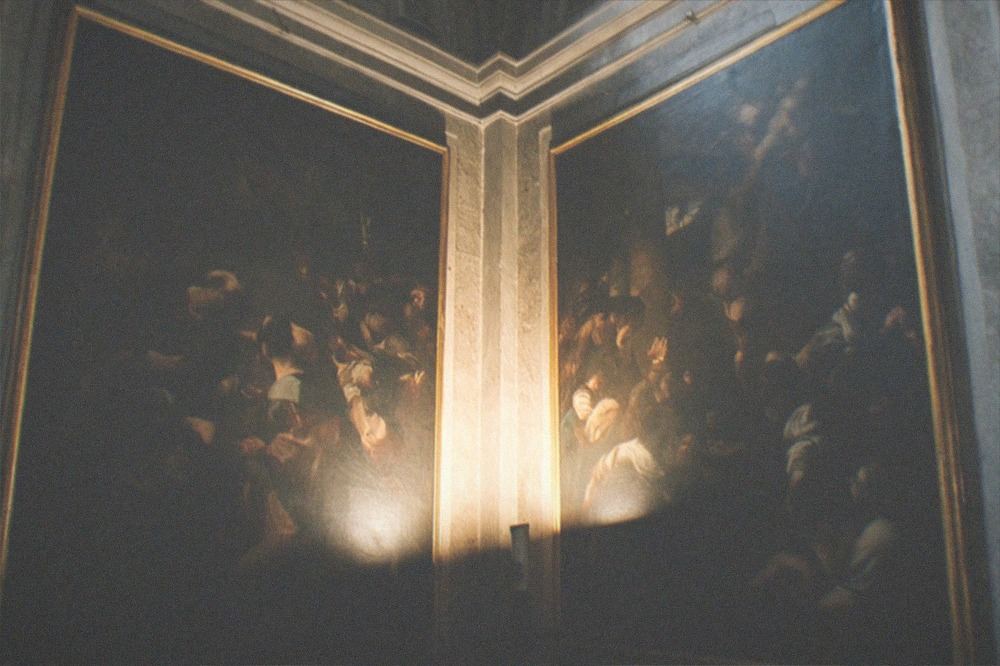
Santa Maria del Popolo, at Piazza del Popolo, is always free to visit, but the Cerasi Chapel is metered: entry is contingent, photography and filming inside the chapel are forbidden, and weekday visiting windows run 08:30 to 09:45, 10:30 to 12:00 and 16:00 to 18:00, with Sundays and holidays at 16:30 to 18:00 only. The parish's own conditions page also asks guides to use a microphone and avoid long stops, which tells you how busy it gets.
A guided walk built around the painter's life and death is one of the strongest pay-what-you-want options in the city. The Caravaggio Mystery Walk on GuruWalk runs two hours in English, meets at Piazza della Minerva, and is rated 4.92 across 2,028 GuruWalk reviews. It is free to book, and you pay the guide what you think the walk was worth at the end.
Which Free Churches Sit Near The Vatican?
Sant'Ignazio di Loyola, the Gesù, Santa Maria sopra Minerva and San Pietro in Vincoli are all free, and the first three cluster within the centre between the Pantheon and Piazza Venezia. Sant'Ignazio is open daily 09:00 to 23:30 with free independent visits, the Gesù publishes no charge of any kind, and Minerva is free on its provisional restoration hours. St Peter's itself, covered above, is the anchor of the area.
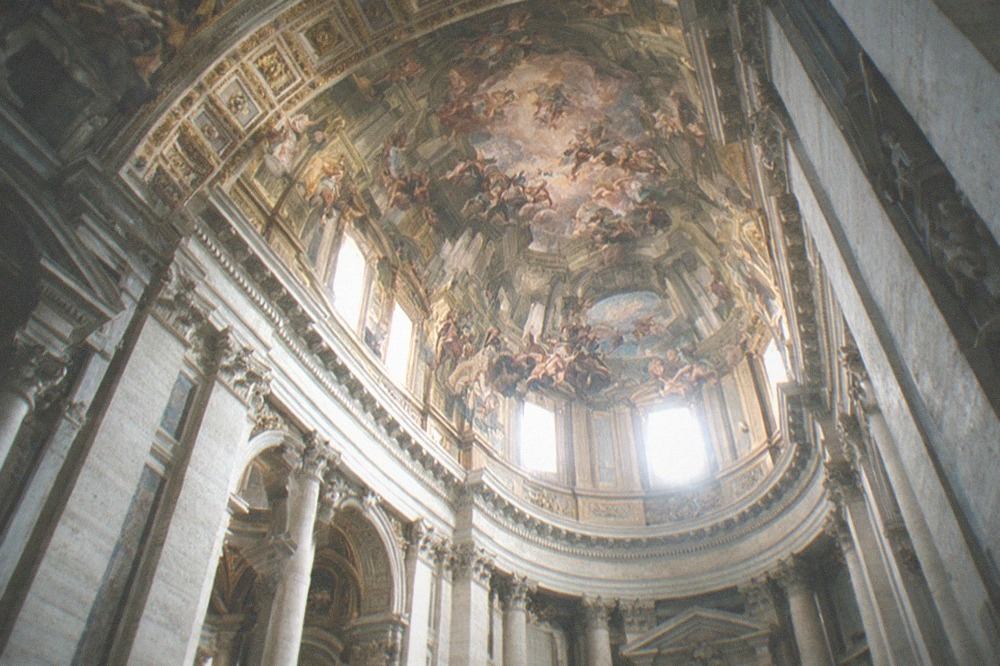
Sant'Ignazio deserves its own paragraph. Its rectory publishes an explicit warning that agencies charging for entry are not acting for the church, and that the church receives no payment from tour operators. Everything inside, including the famous mirror that reveals Pozzo's false-dome ceiling painting, is unticketed. The parish's own hours page carries both the opening times and the scam warning, which is a rare and useful thing for a church to state outright.
For visitors pairing the basilica with the surrounding quarter, the Small-Group Vatican walk on GuruWalk is a pay-what-you-want English tour of an hour and a half, rated 4.89 across 160 GuruWalk reviews, meeting near St Peter's. It covers the history of the Vatican area rather than the museums, which suits a day built around free churches and free squares. If you are weighing the museum question separately, the Sistine Chapel free-entry guide explains the last-Sunday rule.
The same quarter rewards wandering even without a guide. The streets between the Tiber and Piazza Navona hold more free churches per block than almost anywhere in Europe, and because most of them close only over lunch or at dusk, an afternoon stroll can take in four or five without a single ticket. That density is also why a guided walk earns its tip here: the buildings are free, but the stories behind them are not obvious from the street.
What Free Churches Are Near The Colosseum And Ancient Centre?
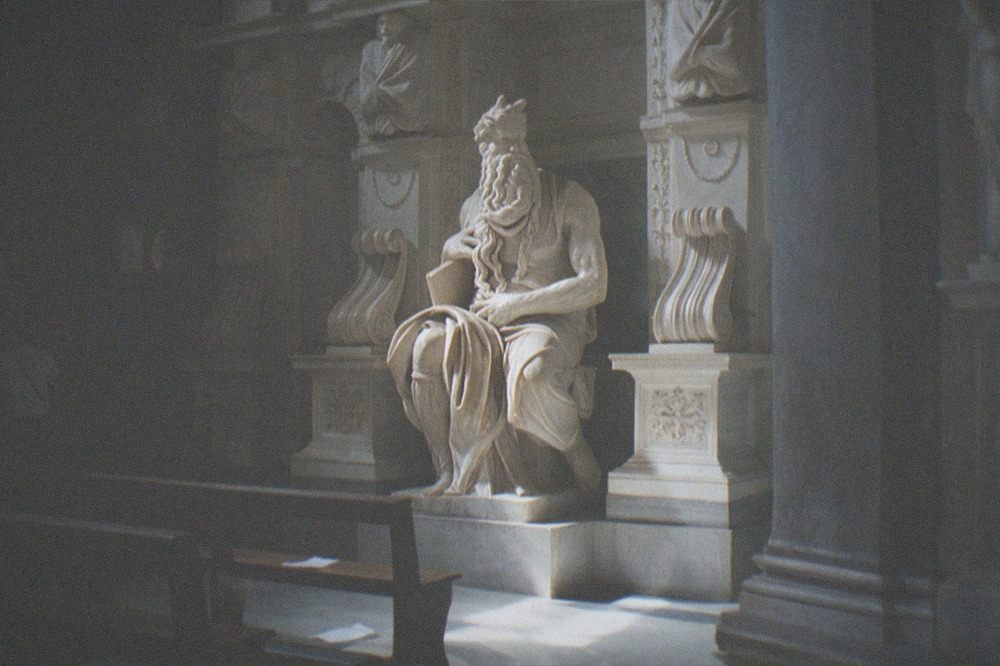
San Pietro in Vincoli, holding Michelangelo's Moses, is free with no ticket and no booking, open daily 08:00 to 12:30 and 15:00 to 18:00 in winter, to 19:00 in summer, per the state superintendency's page. Santa Maria Maggiore sits above the Colosseum valley, San Clemente's upper church is above its paid excavations, and the Scala Santa's Holy Stairs are free to climb. The ancient-centre churches are as free as the basilicas.
San Pietro in Vincoli is the one visitors most often get wrong, because its most famous content sounds like it should be ticketed. It is not. The superintendency's institutional page gives the hours and confirms free access to both the upper basilica and the Moses. The church closes at midday and reopens mid-afternoon, which catches out visitors who arrive at 13:00 expecting an open door. A free walk covers this ground: Colosseum Walk, Bilingual, 1 Hour 45.
The Scala Santa, near San Giovanni, is a two-part visit. Climbing the Holy Stairs on your knees is free and needs no booking. The Sancta Sanctorum, the papal chapel at the top, costs EUR 3.50 full and EUR 3 reduced, with the reduction covering ages 6 to 18, students, over-65s and groups over 20. The published dress code asks for shoulders and knees covered, and photography inside is forbidden.
The Colosseum Walk on GuruWalk is the natural companion here: a bilingual English-and-Spanish pay-what-you-want walk of an hour and three quarters, rated 4.88 across 1,463 GuruWalk reviews, meeting near Piazza dei Calcarari. It pairs well with a church morning, since the ancient-centre churches sit on the walking routes between the Forum and Santa Maria Maggiore.
Which Rome Churches Are Only Partly Free?
Several famous ones. San Clemente's twelfth-century church is free while the excavations beneath cost EUR 10 with compulsory online booking; Santa Cecilia in Trastevere is free while its Cavallini frescoes and crypt are separately ticketed; San Paolo's nave is free while the cloister costs EUR 4; and Santa Maria del Popolo's Cerasi Chapel is metered. The pattern is consistent: the nave is free, the underground and the art chapels are not.
The table below separates the free part from the paid part for the churches where this most often confuses visitors. Prices are those published by each institution; where a body publishes no price, the table says so rather than repeating a forum figure.
| Church | Free part | Paid part | Official price |
|---|---|---|---|
| San Clemente | Upper church | Excavations, lower basilica, Mithraeum | EUR 10 adult, EUR 5 reduced, booking compulsory |
| San Paolo fuori le Mura | Nave | Cloister and archaeological area | EUR 4, EUR 3 for groups over 10 |
| Scala Santa | Holy Stairs | Sancta Sanctorum chapel | EUR 3.50 full, EUR 3 reduced |
| Santa Cecilia in Trastevere | Basilica | Cavallini frescoes, excavations | Separately ticketed, price not published |
| Santa Maria del Popolo | Basilica | None, but Cerasi Chapel access is metered | Free, narrow hours |
| Santa Maria Maggiore | Nave, Bernini's tomb | Museum, loggia, terraces | Not published online |
Santa Cecilia deserves a special warning for anyone planning around the Cavallini frescoes. The Benedictine monastery that runs the visits publishes narrow windows, 10:00 to 12:30 on weekdays and 11:30 to 12:30 on feast days only, and states that no guided visits are scheduled for September or October 2026, that other dates need a group of at least 8 to 10 people, that booking is by email only, and that the guided visits are in Italian only. An English-speaking visitor cannot take the monastery's own tour. The basilica itself is free, open Monday to Saturday 10:00 to 12:30 and 16:30 to 18:30.
What Hours And Dress Codes Apply To Rome's Free Churches?
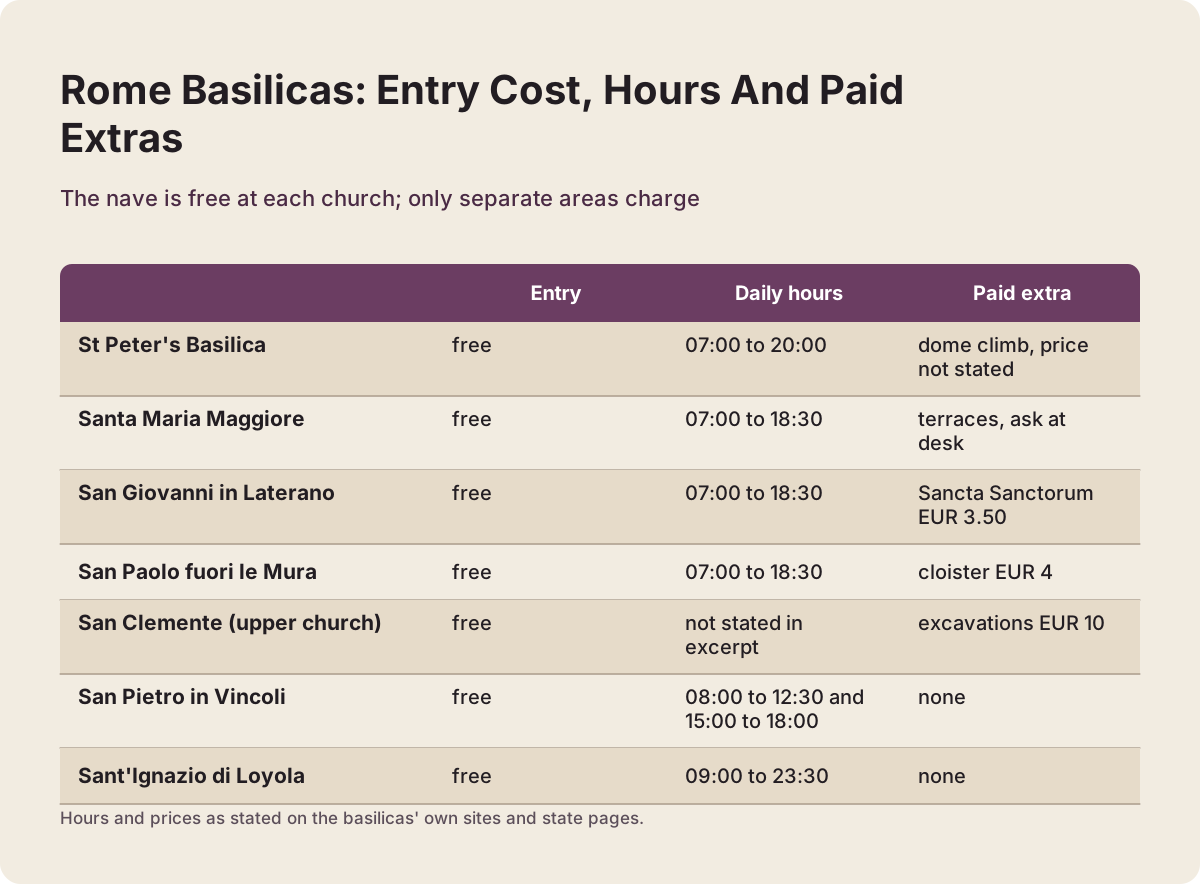
Most major churches open around 07:00 or 08:00 and close between 18:30 and 20:00, with several closing over lunch, and only three churches plus St Peter's publish an official dress code. Sant'Ignazio is the late option, open to 23:30 daily. Mass times override visiting hours, so a church listed as open may still bar sightseeing during a service, and the narrowest published hours belong to Santa Maria del Popolo's Cerasi Chapel. This stop sits on a free walking route, 11 Spots, 2 Hours 45.
| Church | Free entry | Published hours | Notes |
|---|---|---|---|
| St Peter's Basilica | Yes | 07:00-20:00 daily, last entry 19:15 | Dress code published |
| Santa Maria Maggiore | Yes | 07:00-18:30, last entry 18:00 | Dress code published |
| San Giovanni in Laterano | Yes | 07:00-18:30 | Baptistery free, 09:00-19:00 |
| San Luigi dei Francesi | Yes | Parish publishes hours | Free QR audio guide |
| Sant'Ignazio di Loyola | Yes | 09:00-23:30 daily | Scam warning published |
| San Pietro in Vincoli | Yes | 08:00-12:30, 15:00-18:00 winter, to 19:00 summer | No ticket, no booking |
| Santa Maria sopra Minerva | Yes | Provisional: Mon-Fri 16:00-19:30, weekends 10:30-13:00, 14:00-19:30 | Restoration hours since October 2025 |
| Tempietto del Bramante | Yes | Tue-Sun 10:00-18:00, last entry 17:30 | On the Gianicolo |
On dress codes, honesty matters more than helpful-sounding advice. Only a handful of Rome churches publish one: St Peter's (long trousers for men, knees and shoulders covered for everyone), the Scala Santa (shoulders and knees), Santa Maria Maggiore (detailed) and Santa Maria del Popolo (general). Many other Roman churches enforce nothing published at all. The practical rule is simpler than any list: cover shoulders and knees everywhere and you will never be turned away, and at St Peter's the published code is enforced at the security checkpoints, so there is no arguing at the door.
How Do You Plan A Full Day Of Free Churches?
Pick one cluster and walk it. The Pantheon-to-Piazza-Navona cluster gives you San Luigi dei Francesi, Sant'Ignazio, the Gesù, Santa Maria sopra Minerva and Santa Maria del Popolo inside a compact loop, all free. The Esquiline cluster pairs Santa Maria Maggiore with San Pietro in Vincoli and the Colosseum valley. Two clusters, two half-days, and you will have seen more first-rank art than most ticketed itineraries manage. One of the free walking routes passes through here: Bilingual Center Walk, 2 Hours 15.
The centre loop is the one to do first. Start at Santa Maria del Popolo in the morning, inside the Cerasi Chapel's first window, then walk down through the Spanish Steps area to Sant'Ignazio, where the mirror and the false dome cost nothing. San Luigi dei Francesi is around the corner from Piazza Navona; go before noon, when the Caravaggios are easiest to see. Santa Maria sopra Minerva's provisional afternoon-only hours on weekdays make it a natural late stop, and the Gesù, which publishes no charge of any kind, sits between them.
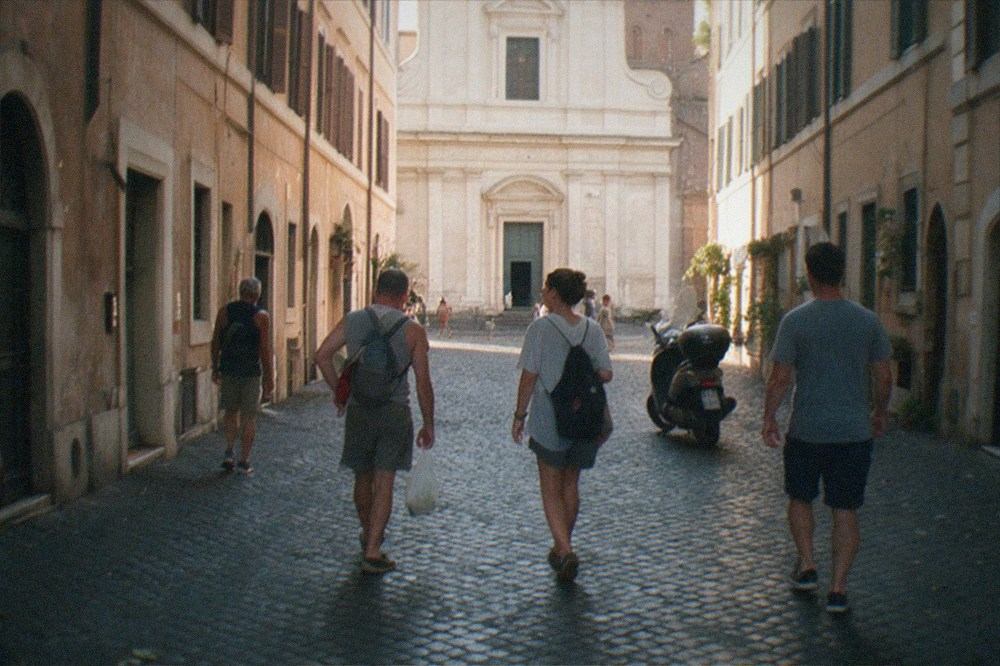
For the second half-day, the Esquiline and ancient-centre cluster works well with a walking tour. Santa Maria Maggiore opens at 07:00, San Pietro in Vincoli reopens mid-afternoon, and the Scala Santa sits near San Giovanni. If you want a guide for the ancient-centre stretch, the walks profiled on Free Things To Do In Rome cover how these routes connect, and the Trastevere free-things guide covers the riverside cluster, including Santa Cecilia and the free Gianicolo viewpoint above it, on another day entirely. One of the free walking routes passes through here: Ghetto And Trastevere, English.
The two loops also compare usefully on time and effort, and the summary below shows how they stack up for a visitor planning a single day around the free churches.
| Cluster | Free churches on the route | Best timing | Main constraint |
|---|---|---|---|
| Centre loop | San Luigi dei Francesi, Sant'Ignazio, Gesù, Minerva, Santa Maria del Popolo | Morning start, Cerasi Chapel first window at 08:30 | Minerva's weekday hours are afternoon-only |
| Esquiline and ancient centre | Santa Maria Maggiore, San Pietro in Vincoli, San Clemente, Scala Santa | Early morning or mid-afternoon | San Pietro in Vincoli closes over lunch |
| Trastevere | Santa Maria in Trastevere, Santa Cecilia, San Francesco a Ripa, San Crisogono | Afternoon, stay for the evening | Cavallini frescoes need booking, Italian only |
| Vatican quarter | St Peter's, Vatican Grottoes, Sant'Ignazio nearby | Early morning for security queues | Dress code enforced at checkpoints |
Two closing practicalities. First, the free churches of Rome are also the cool churches of Rome: stone buildings hold the heat out in a way few Roman streets do, which makes a church circuit a genuinely sensible plan for a summer afternoon. Second, if a day of walking sounds better with company and a guide, the pay-what-you-want walks below all pass through or near the clusters described here, and every one is booked free with the tip decided at the end.
Common Questions About Free Churches In Rome
Are all churches in Rome free to enter?
Nearly all. The nave of almost every Roman church, including the four major basilicas and the Caravaggio churches, is free with no ticket and no booking. The exceptions are the underground and side attractions: San Clemente's excavations, the Sancta Sanctorum, San Paolo's cloister and Santa Cecilia's frescoes are separately ticketed.
Is St Peter's Basilica really free?
Yes. The basilica's own site states "Entrance to St Peter's Basilica is free of charge." The EUR 7 product sold through the official booking channel is a guaranteed time slot bundled with a digital audio guide, not an entry fee. The free walk-in queue through the security checkpoints still exists.
Where can I see Caravaggio paintings for free in Rome?
San Luigi dei Francesi holds three Caravaggios in the Contarelli Chapel and is free, with a free QR audio guide published by the parish. Santa Maria del Popolo holds two more in the Cerasi Chapel, also free, though chapel access is metered and the visiting windows are narrow.
Do I need to book any Rome church in advance?
Only San Clemente's excavations require compulsory online booking, and that is the paid underground part, not the free church. The Scala Santa's Holy Stairs need no booking. Santa Cecilia's guided visits are booked by email, in Italian only, for groups of at least 8 to 10. Everything else in this guide is walk-in.
Is there a dress code for Rome's churches?
Only St Peter's, the Scala Santa, Santa Maria Maggiore and Santa Maria del Popolo publish an official one. St Peter's requires long trousers for men, trousers or skirts below the knee for women, and covered shoulders for all. Covering shoulders and knees works everywhere in Rome and will never see you turned away.
Are Rome's churches open in the evening?
Most close between 18:30 and 20:00, but Sant'Ignazio di Loyola is open daily until 23:30, making it the one major Rome church you can visit late at night. St Peter's stays open to 20:00 year round with last entry at 19:15.