Free Things To Do In Trastevere: A Neighbourhood You Can Walk For Nothing
Trastevere is the one Roman neighbourhood where the best things, the basilica, the hill, the market and the streets themselves, cost nothing. Here is what is free, what is not, and how to walk it.
Short answer
Trastevere's core sights are free: Santa Maria in Trastevere opens daily at 07:30, the Gianicolo walk is published by Roma Capitale as always accessible with free entry, the Museo della Repubblica Romana is one of only four civic museums free to everyone, and the Porta Portese market runs every Sunday until about 14:00. Only the museums, Villa Farnesina and the excavations charge.
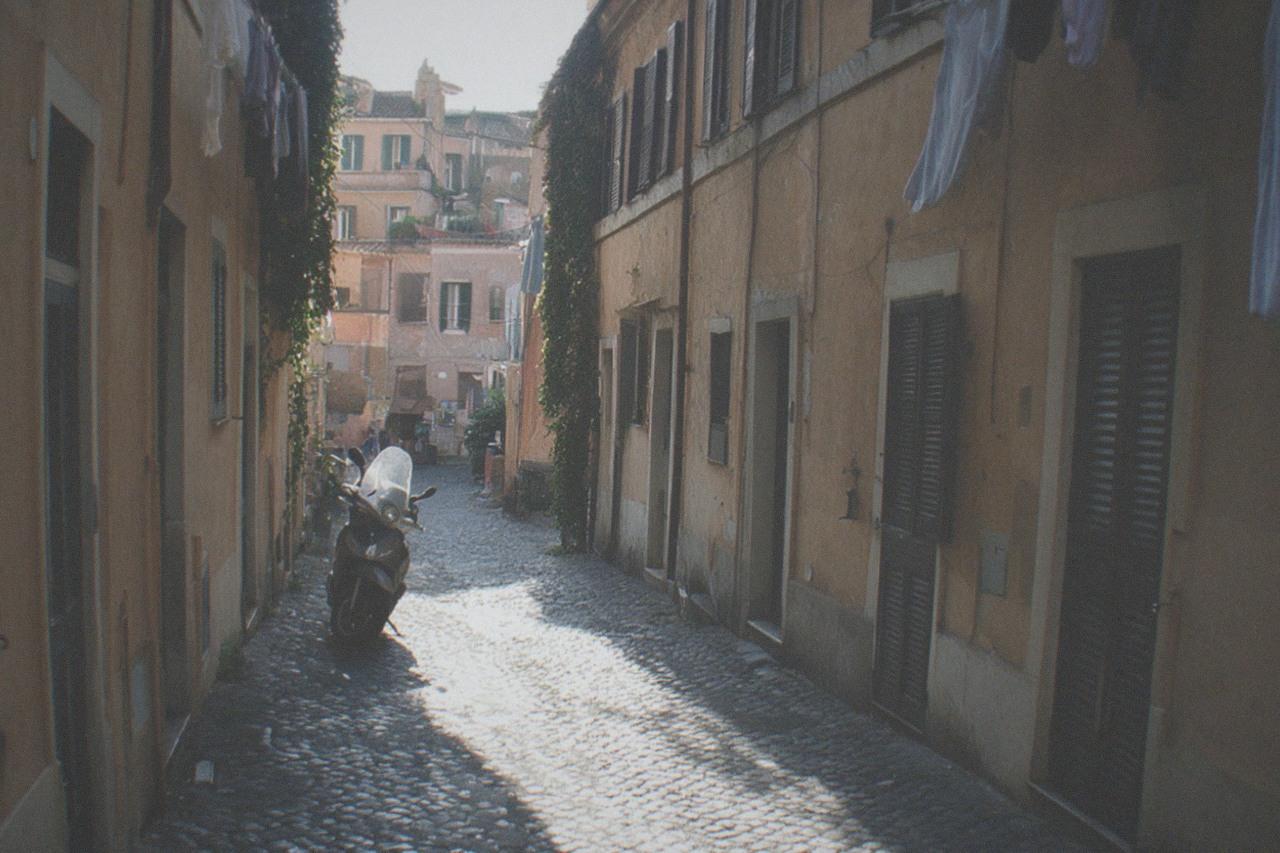
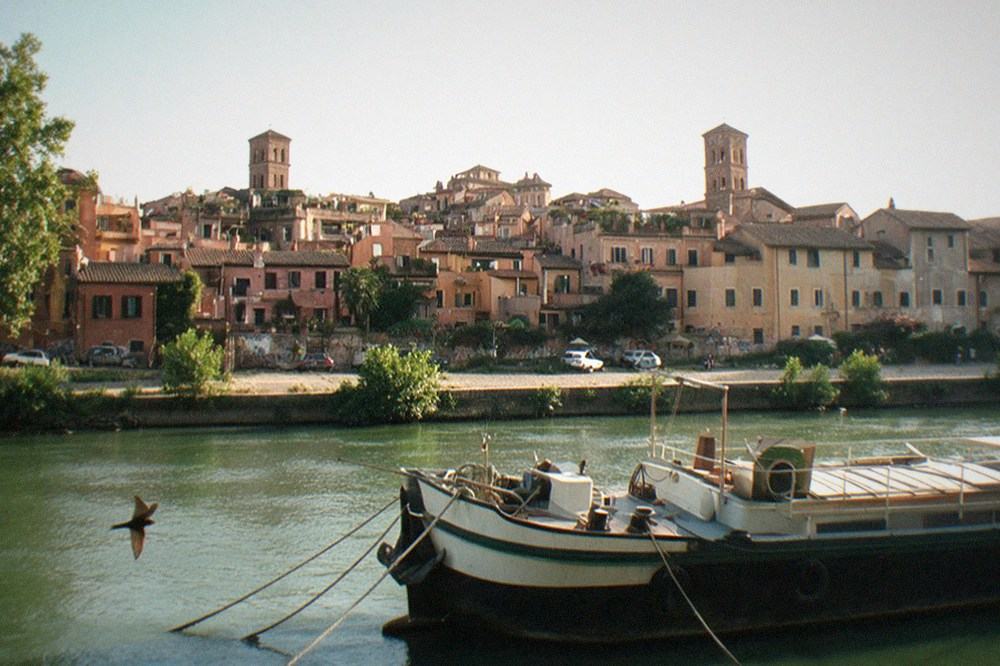
Trastevere sits west of the Tiber, officially Rione XIII of Rome, and it is the neighbourhood most visitors describe as the one that felt real. Cobbled lanes, laundry lines, a basilica older than most countries and a hill above it all with the best free view in the city. The rione is also compact enough that you can see nearly all of it on foot without spending a euro, which is exactly what this page covers: the churches that are genuinely free, the one museum that still is, the hill, the market and the walks, plus the honest list of what charges.
Rome spent 2026 converting free public space into ticketed space, and Trastevere did not escape. The Museo di Roma in Trastevere became free for residents only in February 2026. Two museums inside Villa Borghese lost their free-for-everyone status the same month. So the distinction between free and conditionally free matters here more than in most neighbourhoods, and every claim below carries its condition in the same breath.
What Is Genuinely Free In Trastevere?
The free core of Trastevere is its streets, its main basilica, the Gianicolo hill above it, the Museo della Repubblica Romana at Porta San Pancrazio, and the Sunday Porta Portese market. Santa Maria in Trastevere charges nothing, the Gianicolo is published by Roma Capitale as always accessible with free entry, and the market costs nothing to walk. The excavations under two churches, the neighbourhood's civic museum and two villas charge, and those are listed honestly further down. This stop sits on a free walking route, Ghetto And Trastevere, English.
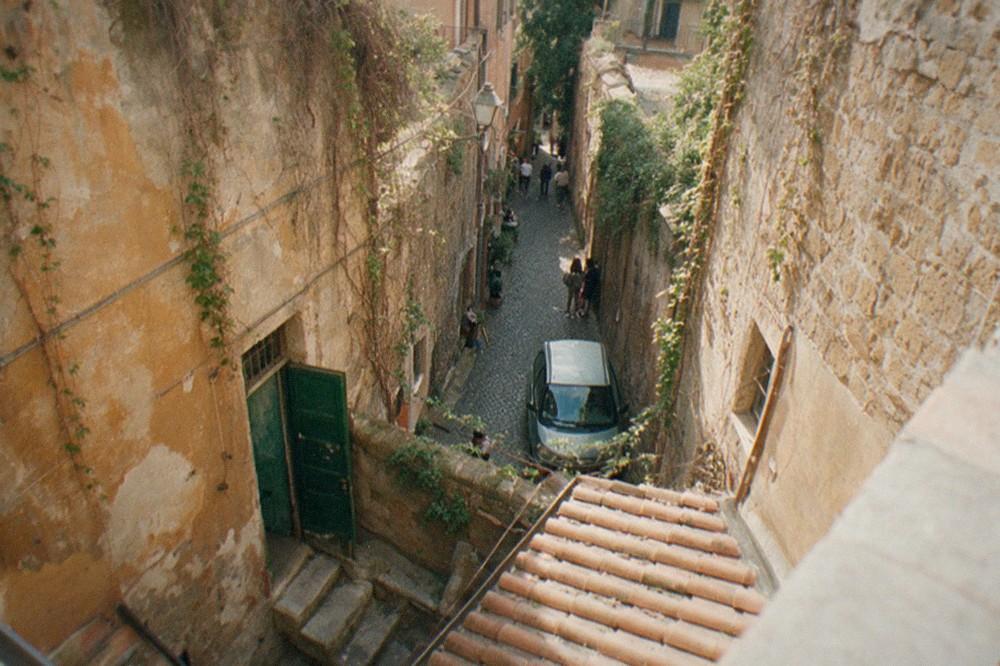
Start with the geography, because it explains the price structure. The rione runs from the river at Ponte Sisto down to the slopes of the Gianicolo, and almost everything at street level is public space: no ticket, no gate, no crowd cap. Piazza Santa Maria in Trastevere, the square in front of the basilica with its ancient octagonal fountain, is open public space like Piazza Navona or Campo de' Fiori across the river. Nobody has proposed charging for it, and given that the Trevi Fountain now sells a EUR 2 inner-perimeter ticket, that is worth saying plainly rather than assuming. This stop sits on a free walking route, Bilingual Secrets Of Rome.
The free layer also extends upward. The Gianicolo, the hill that forms Trastevere's western edge, belongs to the rione administratively, and Roma Capitale's own service page for the Passeggiata del Gianicolo records both the access rule and the price in two words: sempre accessibile, always accessible, and libero, free. That is a stronger official statement than most Roman viewpoints carry, and it makes the hill the anchor of any zero-euro day in the neighbourhood.
What is not free is concentrated and predictable: the excavated layers under Santa Cecilia and San Crisogono, the Museo di Roma in Trastevere for non-residents, and the two paid villas, Villa Farnesina and the Orto Botanico. None of those prices is reliably published, so this page names them as paid without quoting figures, which is the honest position until an official page states one.
Can You Walk Trastevere On A Free Walking Tour?
Yes. Trastevere is covered by pay-what-you-want walking tours on GuruWalk, including a Ghetto and Trastevere walk rated 4.89 across 1,167 GuruWalk reviews, which runs 1 hour and 45 minutes in English and meets at the Fontana delle Tartarughe in the neighbouring Jewish Ghetto. You pay nothing to book; you tip the guide in cash at the end, with 10 to 20 euros per person typical for Rome. This stop sits on a free walking route, Ghetto And Trastevere, English.
The Ghetto and Trastevere walk is the natural fit for this neighbourhood because it starts where the two districts meet. The Turtle Fountain in Piazza Mattei, the meeting point, sits just across the river from Trastevere proper, and the route crosses Ponte Fabricio, Rome's oldest surviving bridge, before climbing into the rione's lanes. Because the guiding is pay what you want, the walk itself is genuinely free at the point of booking: the operator takes no payment up front, and the tip is your decision after it ends. GuruWalk's own Rome guidance puts typical tips at 10 to 20 euros per person, with some walkers leaving up to 50, which is the real budget number to plan around rather than a ticket price.
If you would rather frame Trastevere inside a bigger first-day circuit, two other GuruWalk walks cover the essential centre and the ancient city, and both work as a morning before an afternoon in the rione. The eleven-spot centre walk, rated 4.95 across 6,498 GuruWalk reviews, links the Trevi Fountain, the Pantheon and the squares that Trastevere's lanes echo, while the Colosseum walk covers the ancient core. Neither enters Trastevere, but both end close enough to walk across the river afterwards.
For a deeper comparison of the pay-what-you-want model, including how the tipping works and what the law now requires of Roman guides, see the site's guide to free walking tours in Rome. The short version: since a 2023 national law created a register of tourist guides, licensed guides carry a verifiable badge, and the free-tour operators on GuruWalk are independent locals running their own walks. This page is part of Free Things To Do In Rome, a directory that points at those guides' own listings rather than operating any walk itself.
Which Trastevere Churches Are Free To Enter?
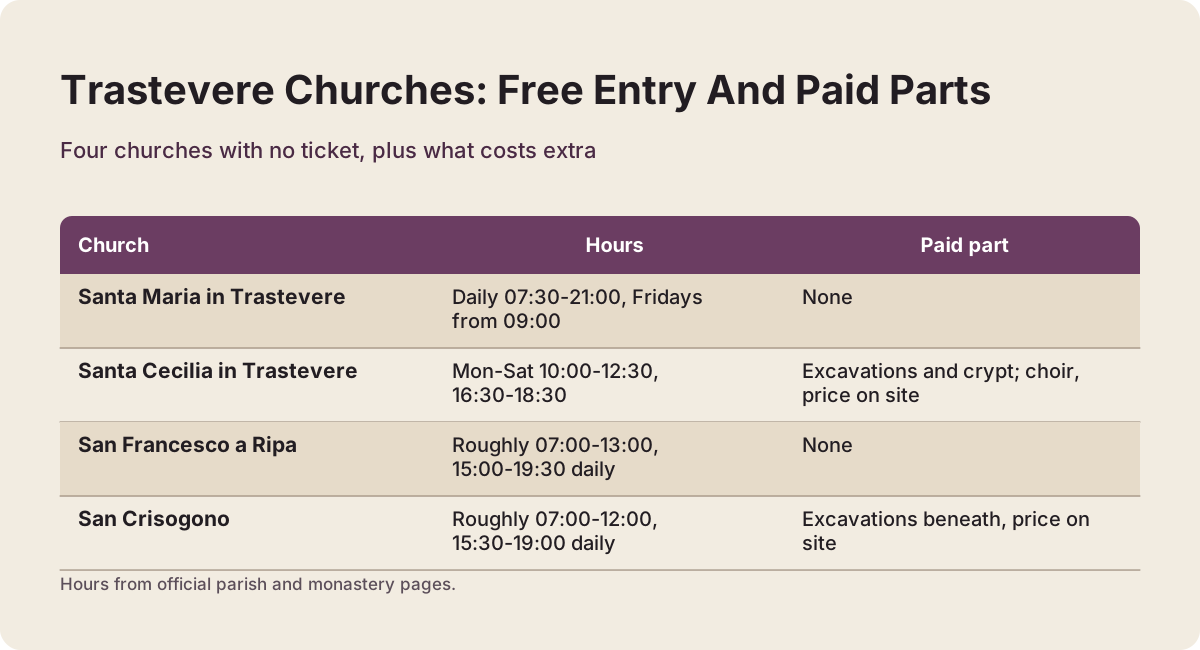
Santa Maria in Trastevere, Santa Cecilia in Trastevere, San Francesco a Ripa and San Crisogono are all free to enter with no ticket and no booking. Santa Maria opens daily 07:30 to 21:00, from 09:00 on Fridays. The catch sits underground: the excavations and crypt at Santa Cecilia and the excavations at San Crisogono are separately ticketed, and no official page publishes their prices. One of the free walking routes passes through here: Ghetto And Trastevere, English.
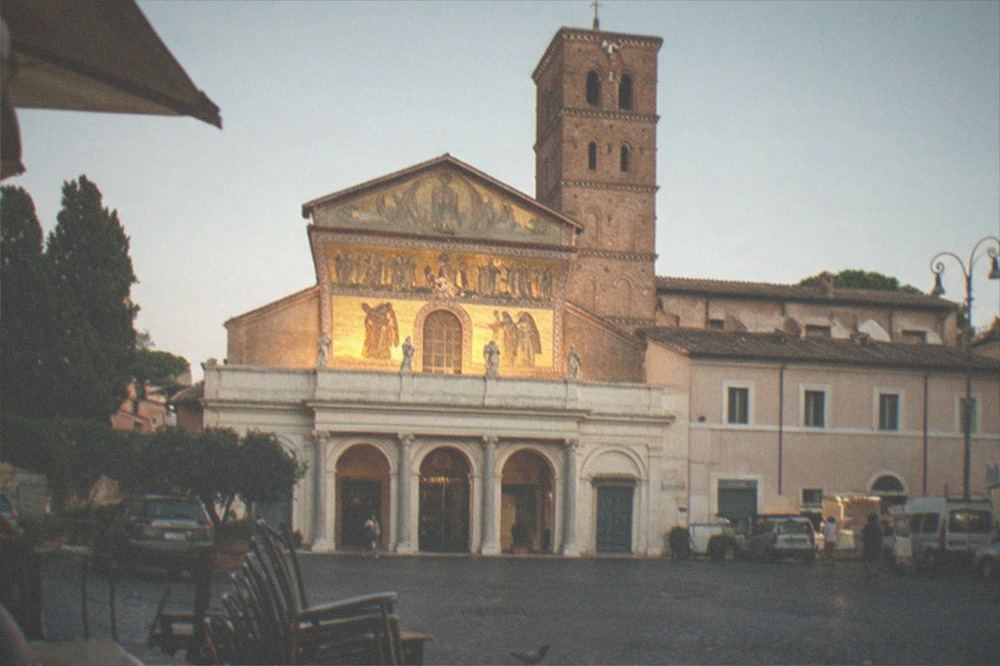
Santa Maria in Trastevere is the rione's heart and one of the oldest places of Christian worship in Rome, its site used for worship since at least the third century. The parish's own hours page publishes daily opening from 07:30 to 21:00, from 09:00 on Fridays, with earlier closing at 20:00 on August Saturdays and Sundays, and no ticket, price or booking of any kind. Go in the late morning and you get the golden mosaics of the apse with the light they were designed for.
Santa Cecilia in Trastevere, built over the house of the saint, is free to enter for the basilica itself. The monastery's own visiting page sets the hours: Monday to Saturday 10:00 to 12:30 and 16:30 to 18:30, feast days 11:30 to 12:30 and 16:30 to 18:30. Two things inside are separately ticketed: the excavations and crypt, and the choir with Cavallini's frescoes, whose viewing window is narrow, 10:00 to 12:30 on weekdays and only 11:30 to 12:30 on feast days. The monastery publishes no price for either, so check at the entrance rather than trusting a figure from an old blog.
San Francesco a Ripa holds Bernini's sculpture of the Blessed Ludovica Albertoni, and the church is free with no ticket or booking, open roughly 07:00 to 13:00 and 15:00 to 19:30 daily. San Crisogono, near the top of Viale di Trastevere, is likewise free for the main church, open roughly 07:00 to 12:00 and 15:30 to 19:00; its excavations beneath are separately ticketed, and again no official price is published.
| Church | Free to enter | Hours (official or parish source) | Paid part |
|---|---|---|---|
| Santa Maria in Trastevere | Yes, no ticket | Daily 07:30-21:00, Fridays from 09:00, August weekends close 20:00 | None |
| Santa Cecilia in Trastevere | Yes, basilica only | Mon-Sat 10:00-12:30, 16:30-18:30; feast days 11:30-12:30, 16:30-18:30 | Excavations and crypt; Cavallini frescoes choir, price on site |
| San Francesco a Ripa | Yes, no ticket | Roughly 07:00-13:00, 15:00-19:30 daily | None |
| San Crisogono | Yes, main church | Roughly 07:00-12:00, 15:30-19:00 daily | Excavations beneath, price on site |
One practical note that almost no guide carries: the monastery at Santa Cecilia states that its guided visits are in Italian only, that no guided visits are scheduled for September or October 2026, and that other dates need a group of at least 8 to 10 people booked by email. An English-speaking visitor should plan to visit independently, which the free basilica fully allows. For the wider city picture, including which major basilicas publish the word free in their own words, see the guide to Rome's free churches.
What Can You See For Free On The Gianicolo?
The whole Passeggiata del Gianicolo is free and always accessible: Roma Capitale's service page for the 60,000 square metre walk records entry as libero with no gate and no hours. It holds the Fontana dell'Acqua Paola, Piazzale Garibaldi's belvedere, the Garibaldini busts, the puppet theatre and the noon cannon, and the free Museo della Repubblica Romana sits at Porta San Pancrazio at its edge.
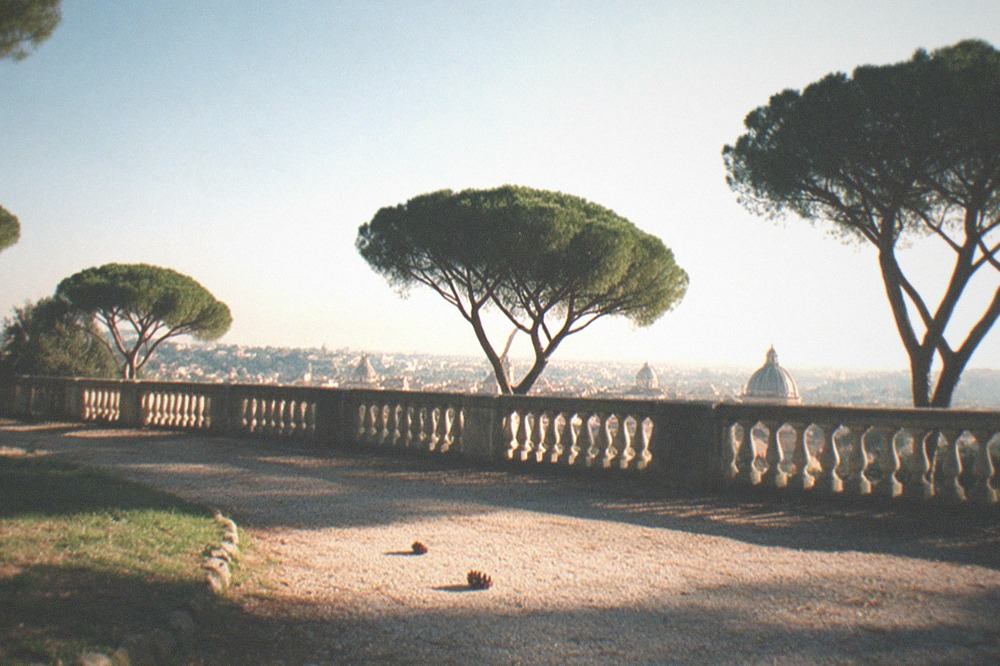
The Gianicolo is the single best free viewpoint in Rome, and unlike most terraces it has no closing time, because there is nothing to close. Roma Capitale publishes the walk as always accessible, with entrances at via Giuseppe Garibaldi, largo di Porta San Pancrazio, piazza di Sant'Onofrio and piazza della Rovere. Enter by Porta San Pancrazio or the Fontana dell'Acqua Paola and you arrive at Piazzale Garibaldi and the belvedere, where the whole centre, from the Vittoriano to St Peter's, spreads below. The city's page also records the walk's area, 60,000 square metres, and its quieter corners: the busts of the Garibaldini who defended Rome in 1849, the Quercia del Tasso, the convent of Sant'Onofrio where the poet Tasso died in 1595, a children's carousel and the Teatrino dei Burattini puppet theatre. One of the free walking routes passes through here: 11 Spots, 2 Hours 45.
The cannon is the timed event. Since 1904, three soldiers load a ceremonial howitzer under the belvedere and fire a single blank shot at noon, every day, as Rome's time signal; the Sovrintendenza Capitolina states the tradition in exactly those terms, and Roma Capitale renewed the agreement with the army for the service in March 2025, which is what makes "still running" a current fact rather than an assumption. Do not trust the founding year quoted on tourist sites: two city sources disagree between 1846 and 1847, so the safe sentence is the one above.
At Porta San Pancrazio, the gate itself, sits the Museo della Repubblica Romana e della memoria garibaldina, one of only four Roma Capitale museums that remained free for everyone after the February 2026 tariff change. It is open Tuesday to Friday 10:00 to 14:00 and Saturday and Sunday 10:00 to 18:00, closed Mondays, 1 May and 25 December. A free museum with a free viewpoint above a free walk is about as good as the zero-euro itinerary gets.
| Gianicolo sight | Free | Access |
|---|---|---|
| Passeggiata del Gianicolo and belvedere | Yes | Always accessible, no gate, entrances on four sides |
| Fontana dell'Acqua Paola | Yes, visible from the walk | Public space |
| Noon cannon | Yes, fires daily at 12:00 | Public space, arrive by 11:50 |
| Museo della Repubblica Romana | Yes, free for everyone | Tue-Fri 10:00-14:00, Sat-Sun 10:00-18:00, closed Mondays |
| Teatrino dei Burattini puppet theatre | Free-adjacent, check locally for show tickets | On the walk |
For the full city-wide list of terraces, hills and keyholes, including the Aventine Keyhole across the valley, see the guide to the best free views in Rome.
Is The Tempietto Del Bramante Free To Visit?
Yes. San Pietro in Montorio and the Tempietto del Bramante, the small Renaissance masterpiece in its courtyard, are free with no ticket, Tuesday to Sunday 10:00 to 18:00 with last entry at 17:30. The site is run by the Real Academia de Espana, whose own material records free access, and it sits on the Gianicolo slope a short climb above the rione.
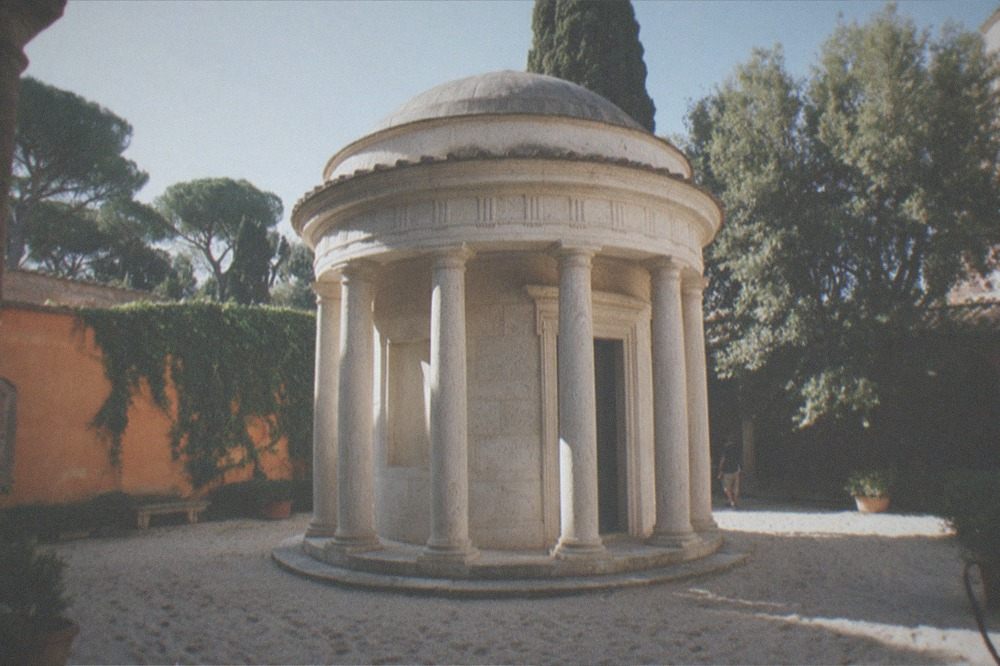
The Tempietto is the answer to the question of what to do after the belvedere, because it is on the way down. Donato Bramante's compact circular temple, built on the traditional site of St Peter's crucifixion in the early years of the sixteenth century, is one of the most influential pieces of architecture in Italy, and the free rule is not a grey area: the Academia's material states free access in both Spanish and Italian, ingresso libero. The church of San Pietro in Montorio beside it follows the same hours.
The practical constraint is the window rather than the price. Tuesday to Sunday, 10:00 to 18:00, last entry 17:30, means the Tempietto does not work as an early-morning or evening stop, so slot it between the cannon at noon and a late lunch in the lanes below. Pair it with the convent of Sant'Onofrio on the same slope, which is part of the same free walk.
Is The Porta Portese Market Free To Walk?
Yes. Porta Portese, Rome's famous flea market, runs every Sunday year round, including public holidays, roughly from 06:00 or 07:00 until 14:00, and walking it costs nothing. It lines the streets between Porta Portese and Viale di Trastevere with around 840 concessions, and the only money you spend is on whatever you buy.
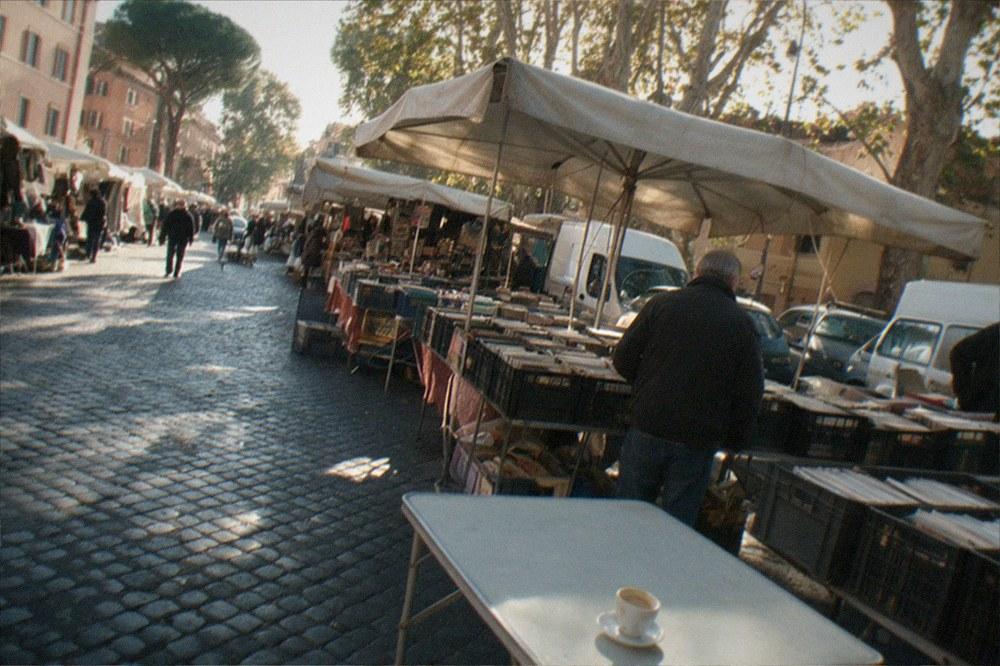
Porta Portese is a Sunday institution, and for a visitor it works as free theatre even with an empty wallet: antiques, second-hand clothes, records, tools, plants and the full theatre of Roman haggling. Roma Capitale has run a stall and layout redesign of the market covering its 840 concessions, planned during 2025 for implementation in summer 2026, with no change to the market's day or core location, so the Sunday rule holds. Hours vary slightly between sources, so treat early morning to about 14:00 as the window and go early for the full spectacle.
The market is also the one place where Trastevere's free and paid layers meet most visibly, because the surrounding streets fill with cafés doing brisk espresso business. An espresso at the counter in the province of Rome averaged EUR 1.19 in 2026 according to price-observatory data, so the coffee stop costs about what a bottle of water does.
What Costs Money In Trastevere?
The paid layer is small but real: the Museo di Roma in Trastevere charges non-residents since February 2026, the excavations under Santa Cecilia and San Crisogono are separately ticketed with no published price, and Villa Farnesina and the Orto Botanico are paid attractions whose current prices are not reliably published. No church nave in the rione charges, and no Rome church introduced a ticket in 2025 or 2026. This stop sits on a free walking route, Ghetto And Trastevere, English.
The Museo di Roma in Trastevere, the folk-art and traditions museum on Piazza Sant'Egidio, became free for residents of Rome and the Città Metropolitana with ID from 1 February 2026 under the city's new tariff system, and it remains paid for everyone else. That is the honest sentence, and it applies to most of the civic system: the change made twelve civic sites free for residents while moving five previously free sites, including the Bilotti and Canonica museums in Villa Borghese, to paid for non-residents.
Villa Farnesina, the Renaissance villa with Raphael's frescoes on the edge of the rione, and the Orto Botanico, the botanical garden on the Gianicolo slope, are both paid. Neither's current price could be confirmed from a primary page in the site's research, so this page names them as paid and stops there. The same applies to the two sets of excavations: the monastery at Santa Cecilia and the parish at San Crisogono publish hours but no prices, so ask at the desk.
| Trastevere sight | Free or paid | The condition |
|---|---|---|
| Museo di Roma in Trastevere | Paid for visitors | Free only for residents of Rome and the Città Metropolitana with ID, since 1 February 2026 |
| Museo della Repubblica Romana | Free for everyone | One of four civic museums still free to all |
| Villa Farnesina | Paid | Price not reliably published; check the villa's own site |
| Orto Botanico | Paid | Price not reliably published; check the garden's own site |
| Santa Cecilia excavations and Cavallini choir | Paid | Price published only at the entrance |
| San Crisogono excavations | Paid | Price published only at the entrance |
The reassurance worth stating plainly: no Rome church introduced a ticket, a compulsory reservation or a donation gate in 2025 or 2026, a negative finding the site's research sweeps confirmed repeatedly. The four naves listed above are free, and the money sits underground or in museums.
How Do You Pair Trastevere With Rome's Centre Walks?
Cross Ponte Sisto north and you reach the centre walks: the Bilingual Center Walk, 2 hours 15 minutes, rated 4.82 across 1,529 GuruWalk reviews, and the Two-Hour Highlights Walk from Campo de' Fiori, rated 4.9 across 722 GuruWalk reviews. Both are pay-what-you-want GuruWalk tours, so both cost nothing to book, and both start within an easy walk of the river crossing. This stop sits on a free walking route, Ghetto And Trastevere, English.
The centre walk meets at Foro Traiano by the imperial forums and covers the core of ancient and Renaissance Rome in two languages, English and Spanish. For a visitor based in Trastevere it works as a morning: cross the river, walk up through Campo de' Fiori, join the walk, and be finished with the whole historic centre mapped before lunch. Because it is pay what you want, the only fixed cost is the tip you choose at the end.
The Two-Hour Highlights Walk is the shorter alternative, meeting at Campo de' Fiori itself, the market square directly across the river from Trastevere, and covering Rome's headline squares in two hours. It suits a first day when energy is limited, and Campo de' Fiori's morning market is a free spectacle on its own before the walk starts.
Both walks, like every walk this site lists, are independent local guides' listings on GuruWalk. The site is a directory: it points at the guides' own pages, takes no booking and charges nothing, and the pay-what-you-want model means the price is genuinely your decision.
When Is The Best Time To Walk Trastevere?
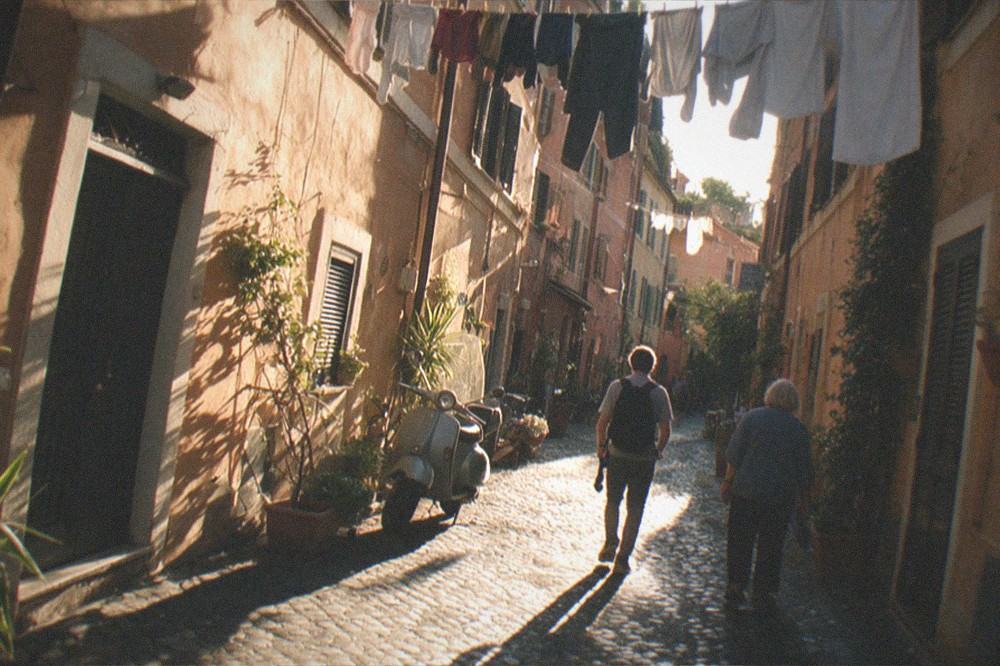
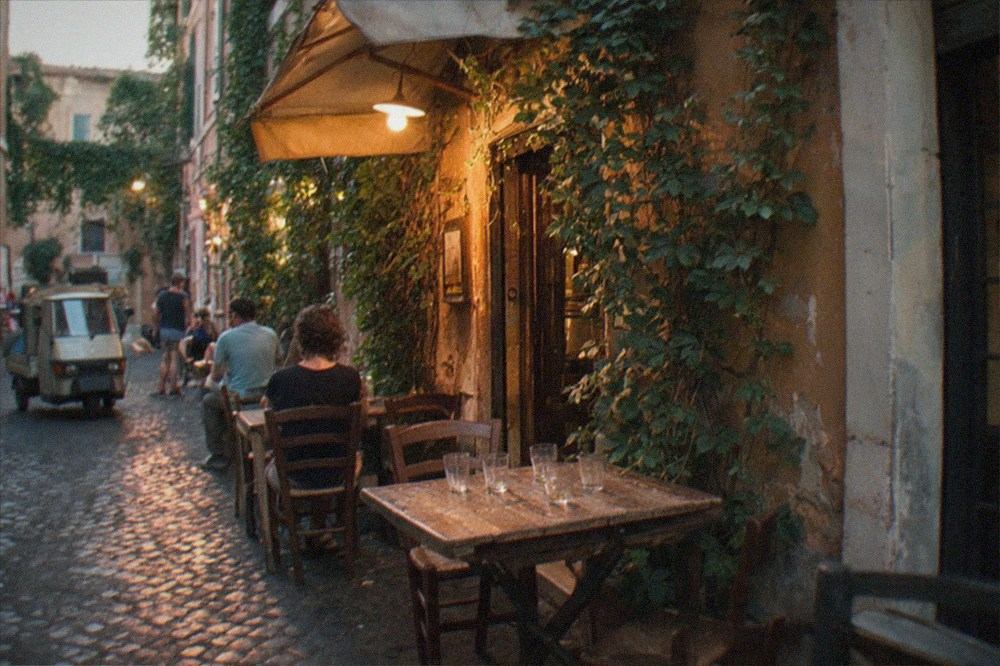
Early morning and evening. The basilica opens at 07:30, the lanes are quietest before about 09:00, and the golden evening light on the ochre walls is the neighbourhood's best free show. Sant'Ignazio di Loyola across the river, open daily until 23:30, is the one major church visitable late at night, and the Gianicolo is always accessible, so Trastevere works at both ends of the day. This stop sits on a free walking route, Ghetto And Trastevere, English.
Summer changes the arithmetic. Rome's Ministry of Health heat bulletins put the city at risk level 2 and then level 3 in the first days of September 2026, and the city recorded 40.1 degrees in late June, so the honest advice is to do the Gianicolo climb before 10:00 or after 18:00 in hot months and keep the middle of the day for the churches, which stay cool. The nasoni, Rome's 2,800 public drinking fountains, are geolocated by the water company's app, and the water is the same drinkable supply that reaches Roman homes, though travellers report some individual fountains run dry, so do not rely on one specific spout.
For the after-dark version of the itinerary, riverside walks, lit monuments and the one church open past 23:00, see the guide to free things to do in Rome at night. And for corners beyond the famous rione, the site's piece on hidden gems you can see for free in Rome lists the quieter squares that cost nothing.
Planning A Zero-Euro Day In Trastevere
A workable free day: Santa Maria in Trastevere at 07:30, the lanes and Piazza Sant'Egidio through the morning, the climb to the Gianicolo belvedere before noon, the cannon at 12:00, the Museo della Repubblica Romana if open, the Tempietto in the afternoon window, and the riverside at golden hour. Total entry cost: zero. The only unavoidable spends are coffee, water if a fountain is dry, and the tip if you add a GuruWalk walk. One of the free walking routes passes through here: Ghetto And Trastevere, English.
The order matters because the hours do. The Tempietto opens at 10:00 and closes at 18:00, the museum closes at 14:00 on weekdays, and the cannon fires only at noon, so the belvedere needs to come before lunch rather than after it. Sundays flip the plan entirely: Porta Portese takes the morning, the market winds down by about 14:00, and the churches fill the afternoon.
If you add a pay-what-you-want walk, the Ghetto and Trastevere tour is the one that covers this neighbourhood, and the centre walks cover everything across the river. All three appear below with the night and mystery walks that pair well with a Trastevere evening.
Common Questions About Free Things To Do In Trastevere
Is Santa Maria in Trastevere free to enter?
Yes. The basilica has no ticket, no booking and no published charge of any kind. The parish's own hours page gives daily opening from 07:30 to 21:00, from 09:00 on Fridays, with an earlier 20:00 close on August Saturdays and Sundays.
Is the Gianicolo viewpoint free?
Yes, and it is officially so. Roma Capitale's service page for the Passeggiata del Gianicolo records the 60,000 square metre walk as always accessible with free entry, no gate and no published hours.
Are there free walking tours of Trastevere?
Yes. The Ghetto and Trastevere walk on GuruWalk, rated 4.89 across 1,167 GuruWalk reviews, runs 1 hour and 45 minutes in English and meets at the Fontana delle Tartarughe. It is pay what you want, so you tip the guide at the end, typically 10 to 20 euros per person.
Is the Museo di Roma in Trastevere free?
Only for residents. Since 1 February 2026 it is free for residents of Rome and the Città Metropolitana with ID and paid for everyone else. The Museo della Repubblica Romana at Porta San Pancrazio is the free-for-everyone alternative in the neighbourhood.
Is the Tempietto del Bramante free?
Yes. San Pietro in Montorio and the Tempietto are free with no ticket, Tuesday to Sunday 10:00 to 18:00, last entry 17:30, per the Real Academia de Espana's own free-access statement.
When does Porta Portese market run?
Every Sunday year round, including public holidays, roughly from 06:00 or 07:00 until about 14:00. Walking the market is free; you only pay for what you buy.