Free Things To Do In Rome At Night: Squares, Views And Walks After Dark
Rome after dark is mostly open public space, and open public space costs nothing. Here is what stays free once the ticket offices shut, with the official hours and rules attached.
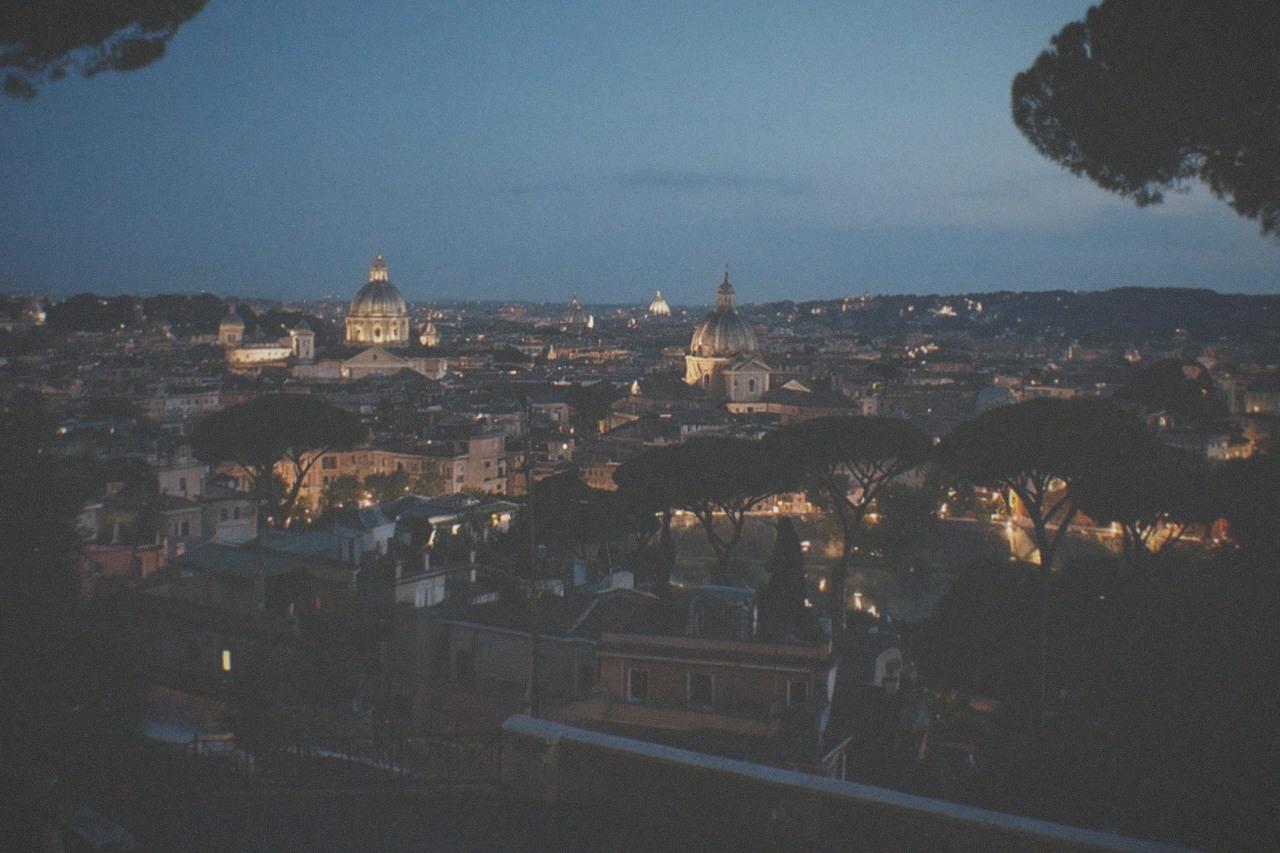
Short answer
Rome at night is free where the city is open air: the Gianicolo viewpoint is published as always accessible with free entry, the Trevi Fountain is free to see from the square at any hour and free to everyone after 22:00, Sant'Ignazio stays open until 23:30, and pay-what-you-want evening walking tours run on GuruWalk.
Rome changes character when the ticket offices close. The crowds thin around the monuments, the floodlighting comes on, and the city's most photogenic hours begin, at no cost to anyone standing in the right place. Roughly 11,425 artistic and monumental light points, maintained by the ACEA group's grid company Areti, are what make the centro storico glow the way it does, and looking at them is free.
This page covers what genuinely costs nothing after dark: the viewpoints with no gate, the one major church open until 23:30, the Trevi Fountain's free hours, the evening pay-what-you-want walks listed on Free Things To Do In Rome, and the practical questions of getting home and staying safe. Every hour and rule below comes from an official source, because "free at night" is exactly where guidebooks guess.
What Can You Do In Rome At Night For Free?
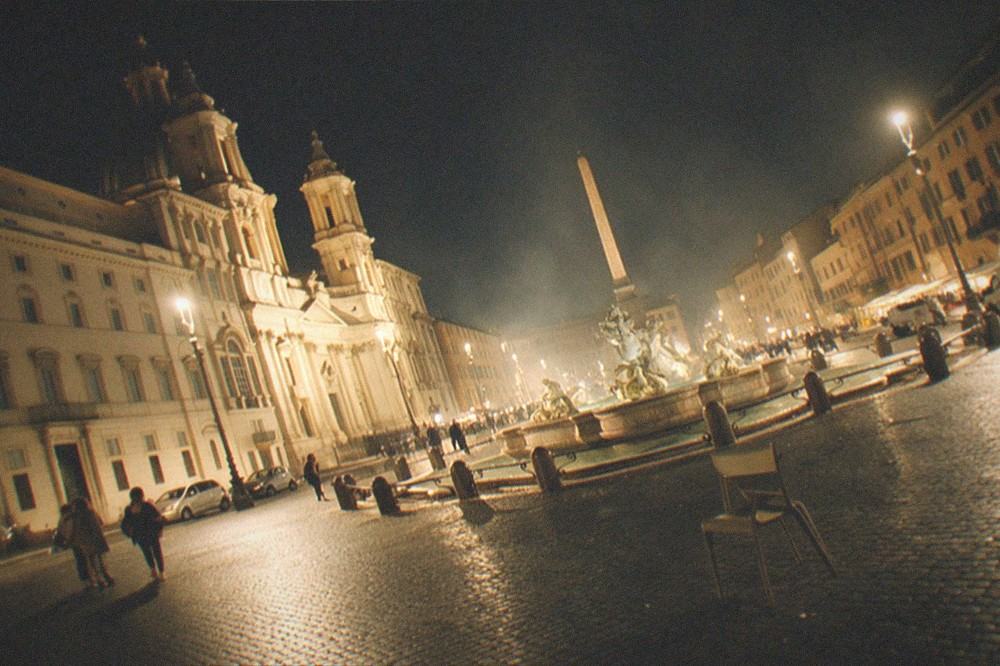
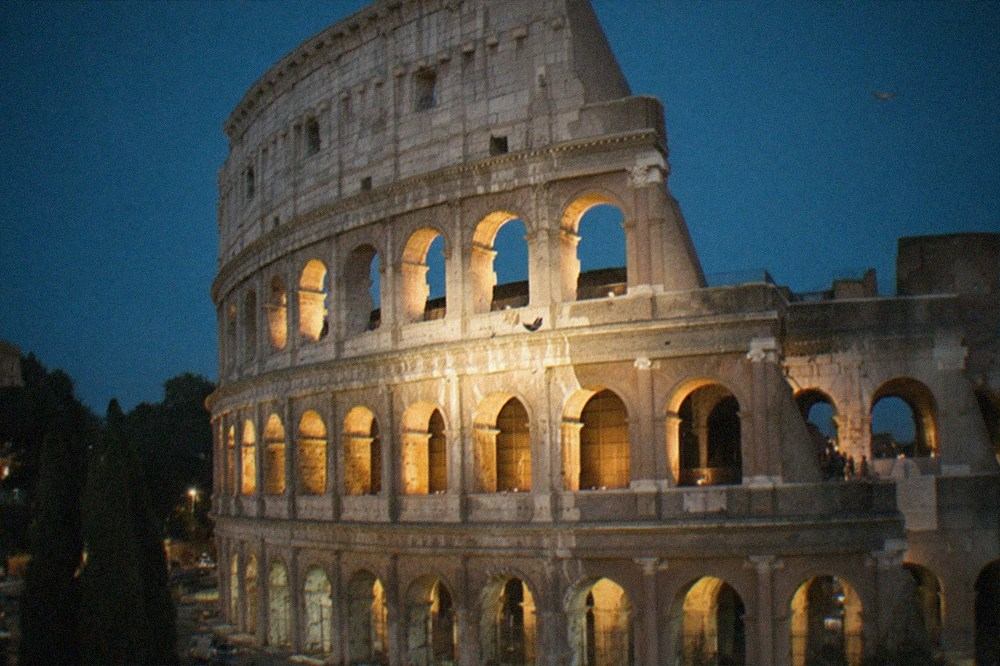
Most of Rome's best night-time sights are public space with no gate and no ticket: the piazzas, the bridges, the floodlit monuments and the hilltop viewpoints are all free at any hour, and the city publishes the access rules for several of them. What is not free after dark is anything inside a museum, since the state and civic systems close in the evening, with rare special exceptions. The practical answer is that night Rome is a walking city. Piazza Navona, Campo de' Fiori, the Pantheon's square, the Spanish Steps and the Tiber bridges are unticketed public space, and Roma Capitale publishes no ticket, fee or access restriction for any of them. The Colosseum exterior, the Forum from Via dei Fori Imperiali and St Peter's Square are all floodlit and free to stand in. The paid attractions, the museums and galleries, shut in the early evening, so the night belongs to the outdoors. A free walk covers this ground: Two-Hour Highlights Walk.
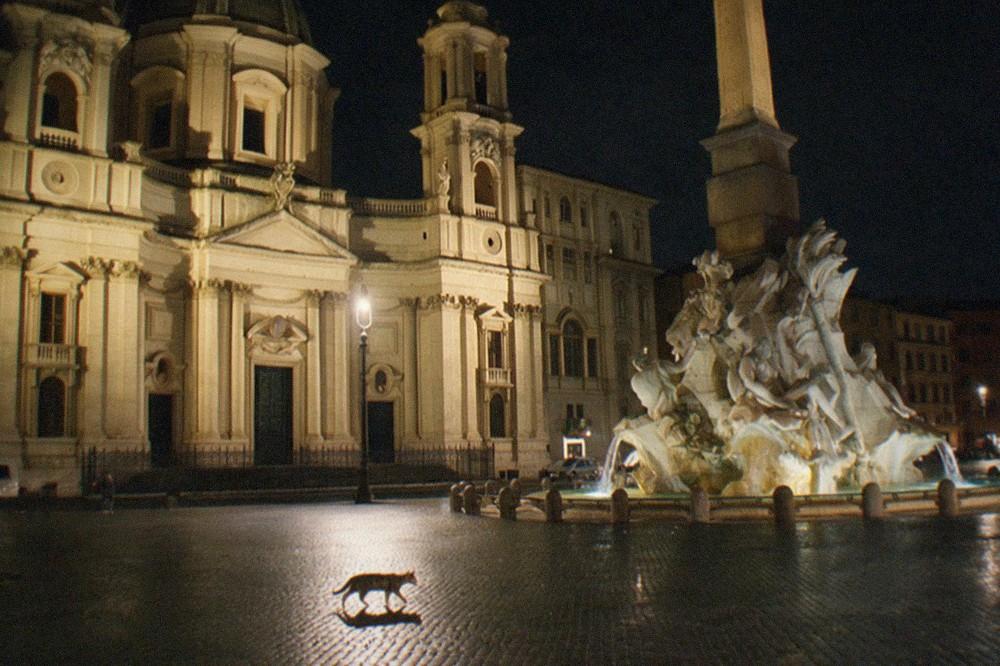
The one structured exception is the annual Notte dei Musei, which in 2026 ran on Saturday 23 May from 20:00 to 02:00 and drew about 80,000 visitors, roughly 50,000 of them at the civic museums. That is a dated one-off, not a standing arrangement, so plan around the permanent free night, which is the city itself. If you are building a full free itinerary for daylight hours, the free walking tours in Rome guide covers the pay-what-you-want walks that run through the day.
Which Viewpoints And Squares Stay Free After Dark?
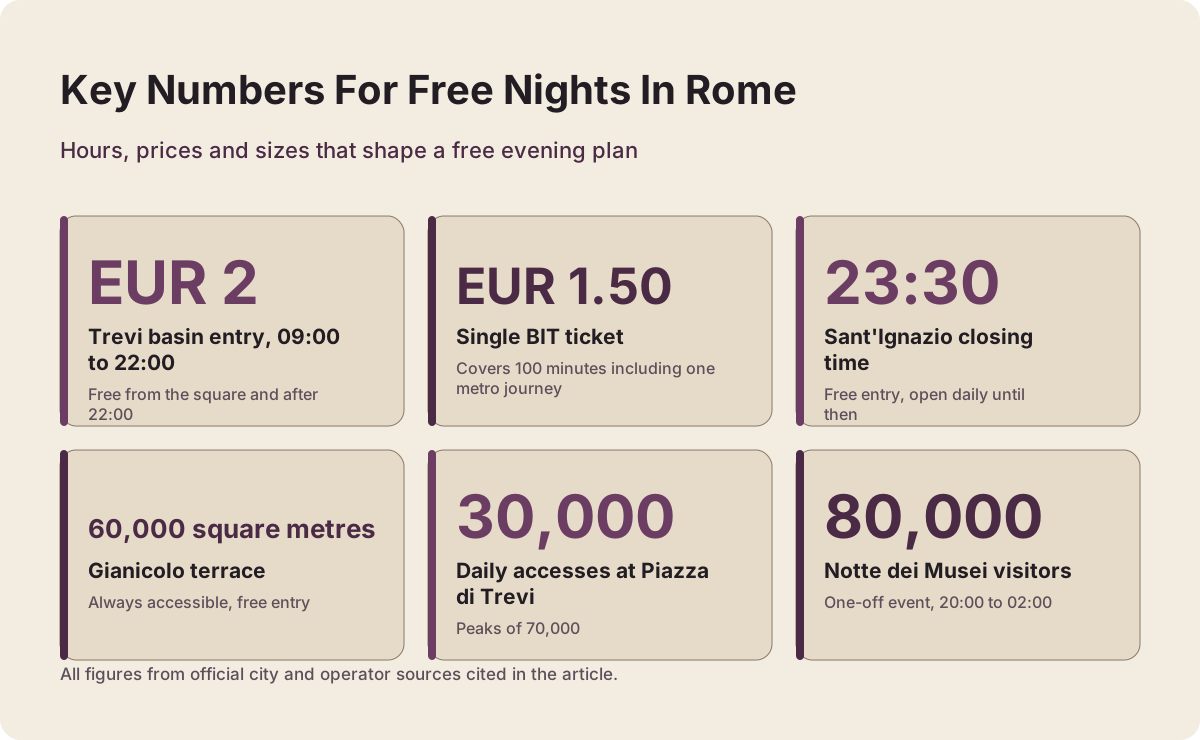
The Gianicolo hill is the strongest answer: Roma Capitale publishes it as "sempre accessibile", always accessible, with free entry, 60,000 square metres of terrace above Trastevere that never closes and never charges. The Aventine Keyhole is free at any hour, and the Giardino degli Aranci is free but gated with seasonal closing times, so check the band before you walk up. The Gianicolo, reached through via Giuseppe Garibaldi or largo di Porta San Pancrazio, holds Piazzale Garibaldi, the belvedere, the Fontana dell'Acqua Paola and the busts of the Garibaldini who defended Rome in 1849. The city's own service page for the park confirms the free, always-open status. Below the belvedere, three soldiers have loaded and fired a noon time-signal cannon every day since 1904, a detail the Sovrintendenza states plainly; that is a daytime event, but the terrace it sits beneath is yours all night. One of the free walking routes passes through here: Ghetto And Trastevere, English.
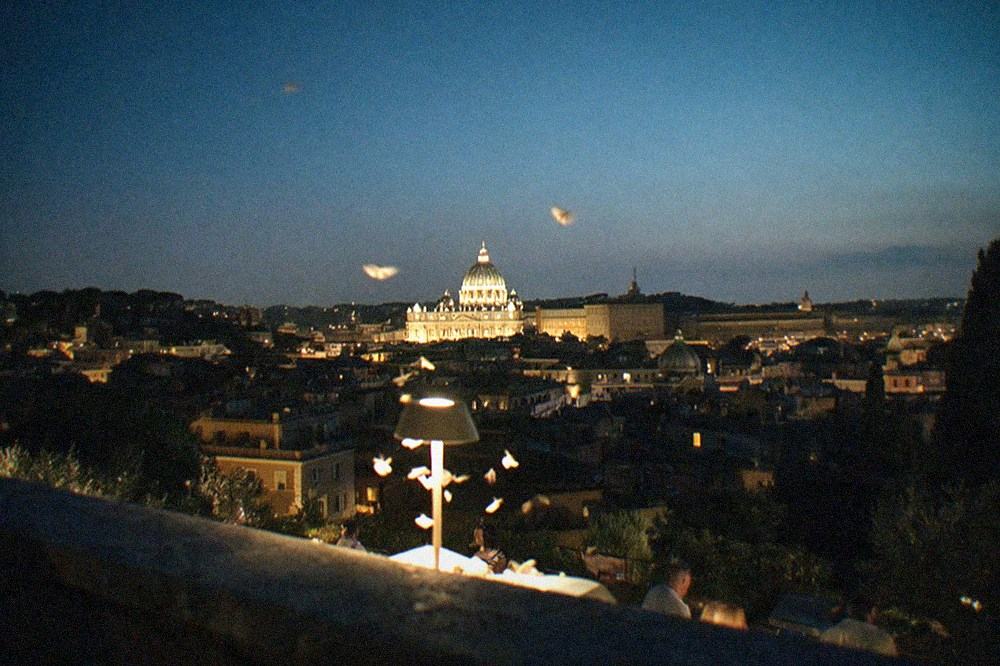
The Aventine Keyhole at Piazza dei Cavalieri di Malta, where St Peter's dome appears framed through a keyhole in a door, is free, unticketed and available at any hour, in the Order of Malta's own framing that Romans and tourists queue there at all hours of the day and night. The Giardino degli Aranci nearby is also free, but it is genuinely gated: October to February it closes at 18:00, March and September at 20:00, April to August at 21:00. One correction worth carrying: the Orange Garden faces the Tiber and Trastevere, not the Circus Maximus, a pairing many guidebooks still get wrong. For the full daytime list, the best free views in Rome guide covers every terrace and hill with sourced hours.
A viewpoint walk pairs naturally with an evening tour, and the walks above are all pay what you want through GuruWalk, which means the guiding itself has no fixed price. The Bilingual Secrets of Rome walk in particular covers ground that reads differently under floodlight.
Is The Trevi Fountain Free At Night?
Yes, with one precise condition: since 2 February 2026 non-residents pay EUR 2 to enter the inner perimeter at the basin from 09:00 to 22:00, but the fountain is free to see from the square at any hour, and after 22:00 it is free to everyone, in the city's own words. Night is the free window. The payment hours run 09:00 to 22:00, and 11:30 to 22:00 on Mondays and Fridays, with last entry to the basin at 21:00. After the 22:00 cut-off the fountain stays visible free from the square, which is the arrangement Roma Capitale itself publishes. The charge also stays in force on the first Sunday of the month, so night is genuinely the cheapest time to see the fountain up close, and the square itself never closes.
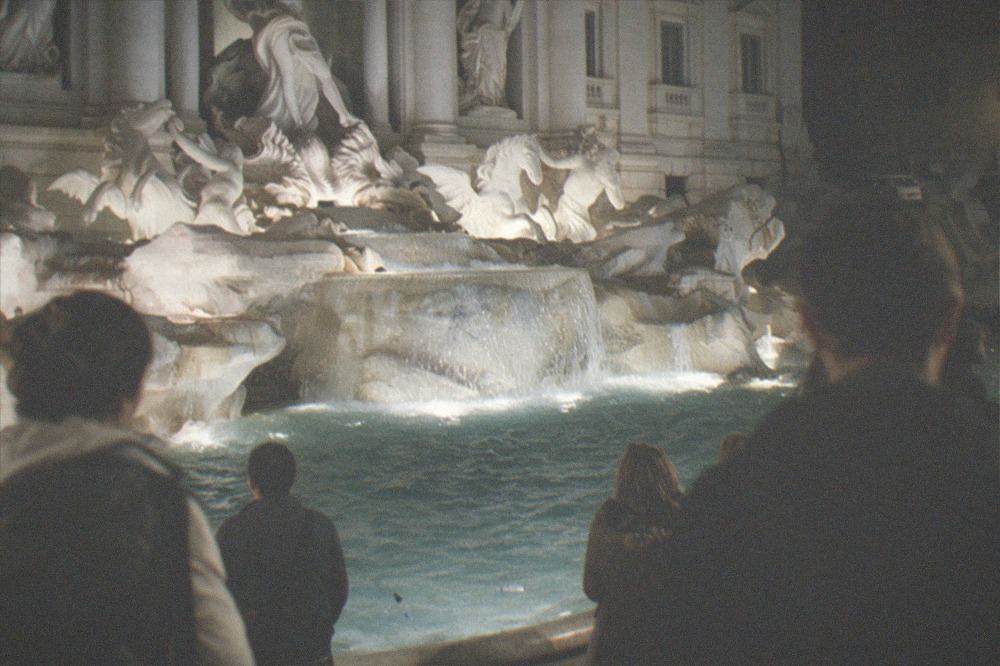
The context explains the charge: Piazza di Trevi records an average of 30,000 accesses a day, peaks of 70,000, and over 9 million visitors a year, the crowding figures the city used to justify it. In the first month of ticketing, 2 February to 2 March 2026, the city recorded 229,896 entries and EUR 435,194 in revenue, earmarked for free civic-museum entry for residents and heritage maintenance. The full breakdown of what is free and when is in the is the Trevi Fountain free guide. Late evening, after the crowds and the payment window both close, is the closest thing the fountain has to a quiet hour. A free walk covers this ground: 11 Spots, 2 Hours 45.
The Bilingual Secrets of Rome walk, rated 4.84 across 398 GuruWalk reviews, is a two-hour English and Italian walk from Piazza Venezia that suits the evening mood of the centre, and its meeting point sits within easy reach of the fountain's side of the centro storico.
Booking follows the pattern every walk on this page shares: reserve a spot through the guide's GuruWalk page, arrive at the listed meeting point, and pay nothing until the walk ends. The route is the guide's own rather than a scripted circuit, so what you reserve is a place in an evening loop through the centre, and the price stays yours to set after you have walked it.
What Churches Can You Walk Into At Night?
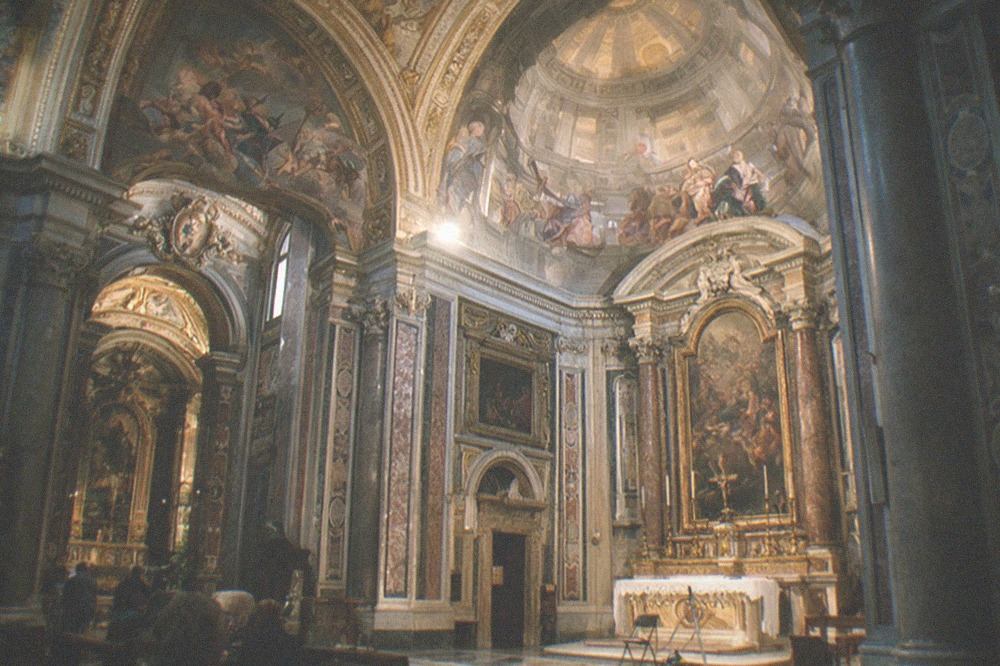
Almost all Rome churches close by 19:00 or 19:30, but one major exception stands out: Sant'Ignazio di Loyola, with its famous false dome, is free to enter and open daily until 23:30, making it the one large basilica a visitor can walk into late at night. Its own rectory confirms free independent access and warns that agencies charging for entry are not acting for the church. The church holds Andrea Pozzo's trompe-l'oeil ceiling, including the painted dome that reads as real from a marked spot on the floor, and none of it is ticketed. The hours, published by the parish, are the reason this church anchors a night itinerary rather than a daytime one.
Beyond Sant'Ignazio, the honest answer is that late church access in Rome is thin, and no official source publishes a city-wide list of evening hours. St Peter's Basilica is free of charge to enter but closes at 20:00 year round, with last entry 19:15, so a summer evening visit is possible if you queue early enough for the security checkpoints in the right hemicycle of the square. The wider free-church landscape, including the Caravaggio churches and the basilicas with no ticket at all, is covered in the free churches in Rome guide, where each entry carries its sourced hours. Treat any other "open late" claim about a Roman church as unverified until you check the parish's own page. A free walk covers this ground: Small-Group Vatican, 1 Hour 30.
Are Free Walking Tours Available At Night?
Yes: pay-what-you-want evening walks are one of Rome's most reliable free night activities, and the ghosts-and-mysteries genre is built for after dark. The Ghosts and Mysteries walk, rated 4.62 across 3,806 GuruWalk reviews, runs 90 minutes in English and Spanish from Lungotevere Castello, and every walk on this site is a real GuruWalk listing with the price set by your tip. GuruWalk's own Rome guidance puts typical tips at 10 to 20 euros per person, with some walkers leaving up to 50, which is the honest framing of what "free" means here: the guiding costs nothing up front and you pay what the walk was worth. The Ghosts and Mysteries walk meets on the river by Castel Sant'Angelo, a floodlit stretch of the Tiber that is itself one of the best free night walks in the city, and the route trades art history for executions, legends and the darker corners of the centre.
Group sizes on free tours are normally capped around 35 participants, per GuruWalk's own support documentation, though small groups of four or five also happen. Whether a tip-based tour legally counts as a guided tour under Italy's 2023 national guide-register law is genuinely unsettled, so the practical check is the guide: since August 2026 registered guides can carry a national badge with a photo, inscription number and QR code, verifiable through the Ministry of Tourism's public guide list. The are free walking tours in Rome worth it post weighs the format against paid tours in more depth.
If ghosts are not your register, the Bilingual Center Walk, rated 4.82 across 1,529 GuruWalk reviews, is a two-and-a-quarter-hour English and Spanish walk from Foro Traiano through the monumental centre, and evening departures let you catch the Forum and the Vittoriano under light rather than under sun.
How Do You Get Around Rome At Night?
Rome's buses and metro are never free, but the night network is real and growing: under the Piano Roma Notte expansion from July 2026, night lines NMA, NMB, NMB1 and NMC run every 8 to 10 minutes on Saturday nights, with 72 extra journeys and travel assistants on Thursday, Friday and Saturday nights. A single BIT ticket costs EUR 1.50 and covers 100 minutes including one metro journey. Contactless Tap and Go charges EUR 1.50 per journey and automatically applies the EUR 8.50 24-hour fare after four taps within 24 hours, so a card-carrying visitor cannot overpay. Children up to 10 travel free with a fare-paying adult, which is the one genuinely free category on the network. Validate every ticket at the start of each journey: travelling without one costs EUR 104.90 in total, reduced to EUR 54.90 if paid within five days.
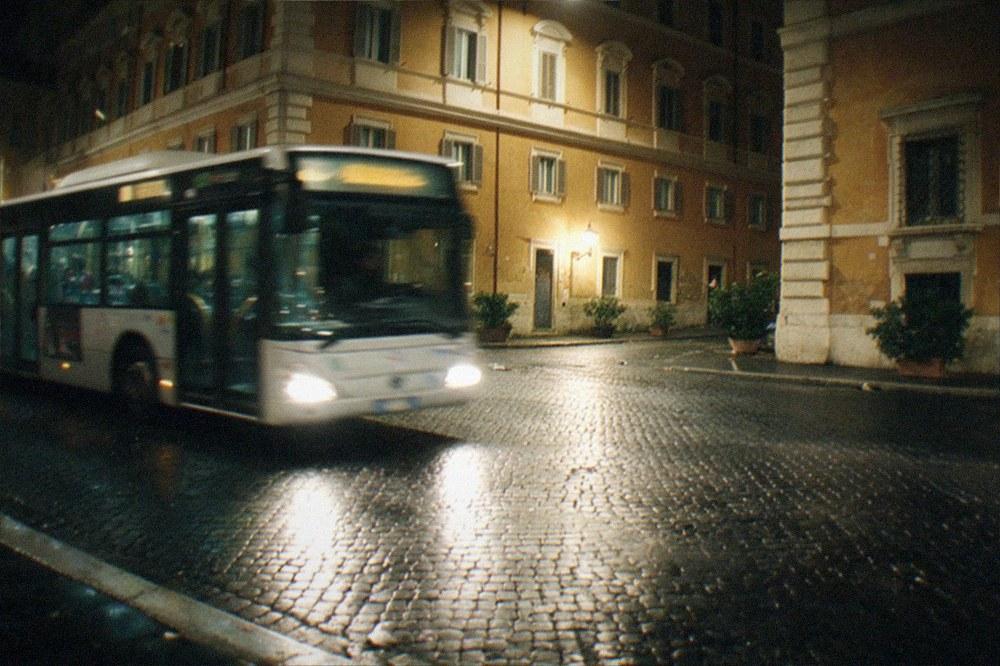
Before a night out, the one link worth bookmarking is the official national strike register at scioperi.mit.gov.it, run by the transport ministry, which lists proclaimed strikes with dates and sectors. Walking is often the better plan anyway: the centro storico's daytime restricted-traffic zone bars non-authorised vehicles Monday to Friday 06:30 to 18:00 and Saturday 14:00 to 18:00, so evenings and Sundays are when the historic streets are at their calmest, and a 30 km/h limit applies across the whole zone from January 2026. The getting around Rome on foot guide covers walkable routes and transport costs in full.
| Night transport option | Cost | What to know |
|---|---|---|
| BIT single ticket | EUR 1.50 | 100 minutes on buses, trams and urban rail, one metro journey |
| Contactless Tap and Go | EUR 1.50 per journey | Caps itself at the EUR 8.50 24-hour fare after four taps in 24 hours |
| Night lines NMA, NMB, NMB1, NMC | Normal fares | Every 8 to 10 minutes Saturday nights under Piano Roma Notte |
| Children up to 10 | Free | With a fare-paying adult, on ATAC and Cotral urban routes |
| Fare evasion | EUR 104.90 total | Reduced to EUR 54.90 if paid within five days |
Is Rome Safe To Walk At Night?
No official body publishes a list of unsafe Roman neighbourhoods, and neither the UK nor US government travel advice names a single Rome district, so any listicle claiming otherwise is opinion. What is official: a Prefettura "zona rossa" ordinance covering the Colosseum, Fori Imperiali, Colle Oppio and Piazza Venezia areas runs until 24 December 2026, and Rome recorded 33,431 pickpocketing-class thefts and 2,008 street robberies in 2024. The zona rossa designation, issued in late August 2026, gives police powers to remove people with recent records for specified offences from those defined central zones, and earlier ordinances cover Termini, Esquilino and San Lorenzo. It is a police tool aimed at predatory crime, not a warning that visitors should avoid the Colosseum at night; the floodlit area remains one of the city's most walked evening routes. A free walk covers this ground: Bilingual Center Walk, 2 Hours 15.
The numbers that matter to a night walker are the quiet ones. The national crime index ranks the province of Rome third in Italy for total reported crimes per 100,000 inhabitants and second for theft, and the 33,431 figure for furti con destrezza, thefts by stealth, is the category that includes pickpocketing. Both the UK FCDO and the US State Department, whose Italy advisory stands at Level 2 on terrorism grounds, give general crime guidance and decline to name hotspots, which is the strongest official statement available. Practical night rules follow from the data: keep bags closed on crowded night buses, prefer lit main streets to shortcuts, and read the where to avoid in Rome at night post for the full official-sources breakdown.
| Official safety measure | What it covers | Status |
|---|---|---|
| Zona rossa ordinance | Colosseum, Fori Imperiali, Colle Oppio, Piazza Venezia areas | Effective until 24 December 2026 |
| Earlier ordinances | Termini, Esquilino, San Lorenzo, parts of via Togliatti | Renewed, reported October 2025 |
| National crime index | Rome province third for total crimes, second for theft | 2024 data, published November 2025 |
| UK and US travel advice | General crime guidance, no districts named | Current |
What About Museum Nights And Seasonal Events?
Rome's museums are not free at night as a rule, but dated exceptions exist: Notte dei Musei 2026 ran 20:00 to 02:00 on 23 May and drew about 80,000 visitors, the European Heritage Days on 26 and 27 September 2026 bring a symbolic EUR 1 evening opening at state museums on the Saturday, and Rome's artistic lighting, about 11,425 monumental light points, is itself a free nightly spectacle. The heritage-days opening is a EUR 1 night, not a free one, and it is worth keeping the distinction precise. Beyond these, Estate Romana summer programming and open-air cinema dates could not be verified for 2026, so this page does not promise them. What is permanent and free is the lighting: Areti maintains roughly 6,000 points of light on monuments, and new artistic lighting installed at the Mercati di Traiano in 2025 used 259 LED projectors, so the floodlit city is a designed, maintained, free show. A free walk covers this ground: Colosseum Walk, Bilingual, 1 Hour 45.
Planning around light rather than tickets changes the shape of an evening. Rome's longest day, 21 June, runs from sunrise at 05:34 to sunset at 20:48, so midsummer gives you nearly three hours of floodlit walking after a 21:00 dinner; on the shortest day, 21 December, the sun sets at 16:41 and the whole evening is night. The golden hour in Rome post covers the sun positions in detail, and a night planned around light, squares first, viewpoints second, one late church, one walk, one bus home, works in every season.
| Dated night event | When | Cost |
|---|---|---|
| Notte dei Musei | Saturday 23 May 2026, 20:00 to 02:00 | Varies by site; about 80,000 attended |
| European Heritage Days evening opening | Saturday 26 September 2026 | Symbolic EUR 1 at state museums |
| Monument floodlighting | Every night | Free to view |
| Gianicolo terrace | Every night, always accessible | Free |
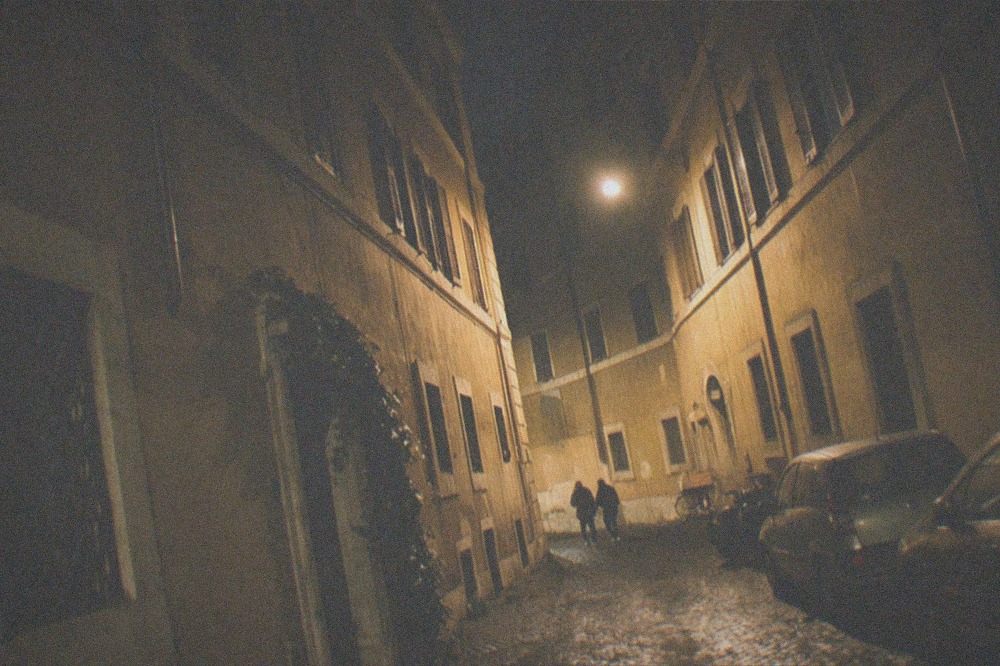
A night in Rome, done for nothing, ends up looking something like this: a sunset from the Gianicolo or the Pincio, a slow walk down through Trastevere's lit lanes, the Trevi Fountain after 22:00 when the payment window closes, Sant'Ignazio before 23:30 for the false dome, and a night bus home on a EUR 1.50 ticket. Add a pay-what-you-want ghost walk at the start of the evening and the whole night costs one bus fare plus whatever you choose to tip.
Common Questions About Free Things To Do In Rome At Night
What can you do in Rome at night for free?
Walk the piazzas and bridges, watch the floodlit monuments, take the Gianicolo terrace, visit Sant'Ignazio before 23:30, see the Trevi Fountain from the square, and join a pay-what-you-want evening walking tour. Nearly all of it is open public space with no ticket.
Is the Trevi Fountain free at night?
Yes, after 22:00. Non-residents pay EUR 2 for the inner perimeter from 09:00 to 22:00, but the fountain is free to see from the square at any hour and free to everyone once the payment window closes.
Are there free walking tours in Rome at night?
Yes. Evening pay-what-you-want walks, including the Ghosts and Mysteries tour rated 4.62 across 3,806 GuruWalk reviews, run in English and Spanish. The guiding is free up front and you tip the guide at the end, typically 10 to 20 euros per person.
Which Rome viewpoints are open at night?
The Gianicolo is published as always accessible with free entry. The Aventine Keyhole is free at any hour. The Giardino degli Aranci is free but gated, closing between 18:00 and 21:00 depending on the season.
Is Rome safe to walk around at night?
No official body names unsafe neighbourhoods, and UK and US travel advice decline to name districts. Rome recorded 33,431 pickpocketing-class thefts in 2024, so keep bags closed on night buses and stick to lit main streets.
How do I get home late in Rome?
Night buses run under Piano Roma Notte, with the NMA, NMB, NMB1 and NMC lines every 8 to 10 minutes on Saturday nights. A BIT ticket costs EUR 1.50, and contactless Tap and Go caps itself at the EUR 8.50 day fare automatically.