Free Museums In Rome: What Is Genuinely Free And What Only Looks Free
Rome runs two separate museum systems with two separate sets of free rules, and in 2026 the city moved five previously free museums behind a ticket desk. Here is what is genuinely free, for whom, and on which days.
Short answer
Four civic museums are free for everyone: Museo della Repubblica Romana, Museo delle Mura, Museo di Casal de' Pazzi and Casa Museo Alberto Moravia. State museums are free on the first Sunday of each month, and under-18s of any nationality enter free every day. The Vatican Museums are free on the last Sunday, 09:00 to 14:00.
Rome has roughly 40 state museums, a separate civic system run by Roma Capitale, the Vatican's own museums, and a scattering of church and private collections, and almost none of them share the same free rules. On top of that, the city rewrote its civic pricing on 1 February 2026, moving five museums that had been free for decades behind a ticket desk. A guidebook printed even two years ago will send you to at least two museums that now charge.
The good news is that the genuinely free list is longer than most visitors expect, and the two biggest free mechanisms, the state system's first Sunday and the under-18 rule, are rock solid. This page separates the three systems, names every free category you can plan around, and flags the traps: the "free" tickets that still cost EUR 2, the closed site that keeps appearing on free-museum lists, and the museums that stopped being free this year. For the wider picture of what the city gives away, start with Free Things To Do In Rome.
Which Museums In Rome Are Actually Free?
Four civic museums are free for every visitor with no conditions attached: the Museo della Repubblica Romana e della Memoria Garibaldina at Porta San Pancrazio, the Museo delle Mura at Porta San Sebastiano, the Museo di Casal de' Pazzi and the Casa Museo Alberto Moravia. Separately, every state museum is free on the first Sunday of the month, and the Vatican Museums are free on the last Sunday.
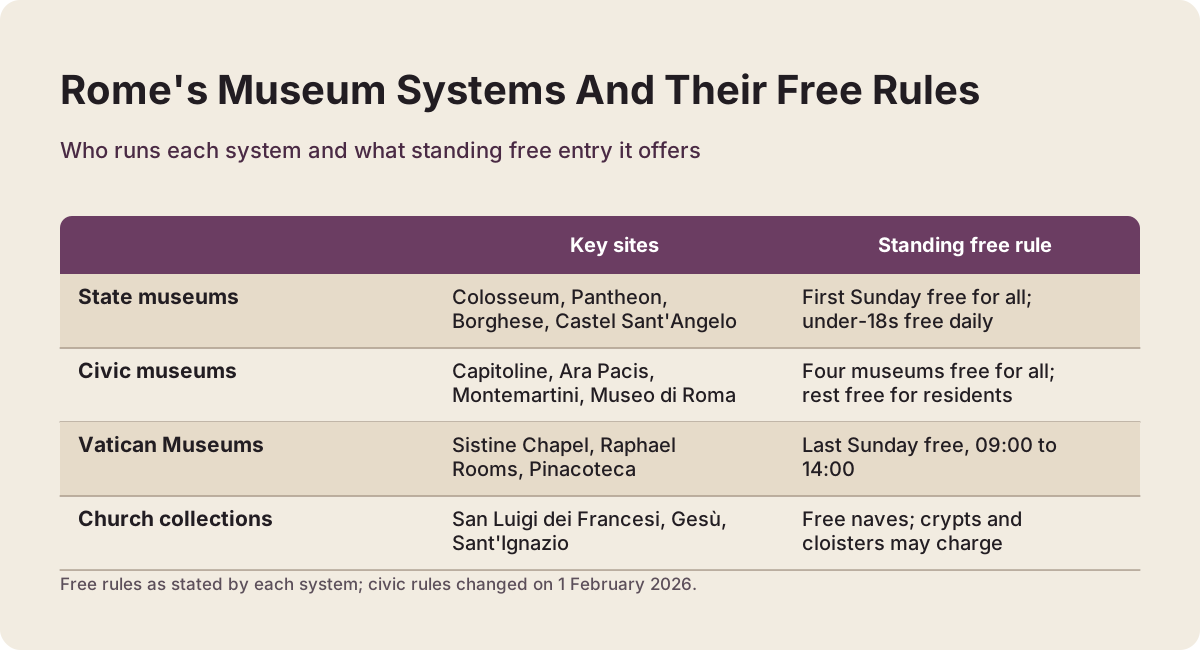
That is the honest one-paragraph answer, but the practical answer depends on which of Rome's three museum systems you are standing in front of. The state system, run by the Ministero della Cultura, covers the Colosseum, the Roman Forum and Palatine, the Pantheon, Castel Sant'Angelo, the Galleria Borghese, the Baths of Caracalla, Palazzo Barberini and the four Museo Nazionale Romano sites. The civic system, run by Roma Capitale, covers the Capitoline Museums, the Ara Pacis, Centrale Montemartini and a dozen more. The Vatican is its own country with its own calendar. One of the free walking routes passes through here: Colosseum Walk, Bilingual, 1 Hour 45.
| System | Who runs it | Key sites | Standing free rule |
|---|---|---|---|
| State museums | Ministero della Cultura | Colosseum, Pantheon, Borghese, Castel Sant'Angelo, Barberini | First Sunday free for all; under-18s free daily |
| Civic museums | Roma Capitale | Capitoline, Ara Pacis, Montemartini, Museo di Roma | Four museums free for all; rest free for residents |
| Vatican Museums | The Holy See | Sistine Chapel, Raphael Rooms, Pinacoteca | Last Sunday free, 09:00 to 14:00 |
| Church collections | Parishes and orders | San Luigi dei Francesi, Gesù, Sant'Ignazio | Free naves; crypts and cloisters may charge |
The state system has the most generous standing rules, and they are written down on the Ministry's own concessions page: under-18s of any nationality are free every single day, and the first Sunday of the month is free for everyone. The civic system is the stingier one since February 2026, but it still keeps four museums permanently free, and it made twelve of its paid sites free for residents of Rome and the Città Metropolitana, which matters if you are travelling with anyone who lives in the area.
One rule crosses every system and catches almost nobody's attention: free entry never automatically includes a temporary exhibition. The Ministry states plainly that temporary shows can carry an extra charge even for visitors who are otherwise exempt. So a free first-Sunday ticket at a state museum can still mean paying for the special exhibition in the side wing, and the civic free list explicitly excludes shows at the Ara Pacis, the Villa Caffarelli space at the Capitoline Museums and the first-floor exhibition rooms of the Museo di Roma.
The Four Civic Museums That Are Free For Everyone
The Museo della Repubblica Romana e della Memoria Garibaldina, the Museo delle Mura, the Museo di Casal de' Pazzi and the Casa Museo Alberto Moravia are the only Roma Capitale museums that remained free for all visitors after the February 2026 tariff change. Every other civic museum is now free only for residents of Rome and the Città Metropolitana, who show ID at the desk.
The change was announced on 19 December 2025 and took effect on 1 February 2026, presented by Mayor Roberto Gualtieri under the campaign line "A Roma, la bellezza è di tutti", or "in Rome, beauty belongs to everyone". The irony of that slogan sitting on top of a paywall was not lost on commentators at the time, but the practical effect is simple: a tourist now pays at the Capitoline Museums, the Ara Pacis, Centrale Montemartini, the Mercati di Traiano, the Museo di Roma in both its locations, the Galleria d'Arte Moderna and the Villa Torlonia museums. This stop sits on a free walking route, English Ancient Rome, 2 Hours 15.
The four survivors are worth your time rather than being consolation prizes. The Museo della Repubblica Romana, at Porta San Pancrazio on the Gianicolo, tells the story of the 1849 Roman Republic through Garibaldi's defence of the city, and it pairs naturally with the free viewpoint outside its door. It opens Tuesday to Friday 10:00-14:00 and weekends 10:00-18:00, closed Mondays. The Museo delle Mura, at Porta San Sebastiano on the Via Appia, lets you walk inside one of the best-preserved gates of the Aurelian Walls, and the Casa Museo Alberto Moravia preserves the apartment where the novelist wrote. Casal de' Pazzi, out in the eastern suburbs, is a prehistoric site museum, a genuine oddity built around an elephant tusk found in the Pleistocene riverbed.
| Museum | Where | What it holds | Opening |
|---|---|---|---|
| Museo della Repubblica Romana | Porta San Pancrazio, Gianicolo | 1849 Roman Republic and Garibaldi's defence | Tue-Fri 10:00-14:00, weekends 10:00-18:00, closed Mondays |
| Museo delle Mura | Porta San Sebastiano, Via Appia | Inside the Aurelian Walls gate and wall walk | Check the listing before visiting |
| Museo di Casal de' Pazzi | Eastern suburbs | Pleistocene riverbed site with an elephant tusk | Check the listing before visiting |
| Casa Museo Alberto Moravia | Central Rome | The novelist's apartment and studio | Check the listing before visiting |
Two things the free status does not cover: special events and Planetarium shows are excluded whoever you are, and the residents' free entry is verified by ID at the ticket desk, so it is not something a visitor can talk their way into. The full conditions are on the operator's own concessions page, which also lists the other free categories: children under 6, EU tourist guides and interpreters with a permit, ICOM and ICOMOS members, visitors with disabilities plus a carer, school groups, and EU students and teachers of architecture, archaeology, art history and related subjects. There is even a reciprocal agreement under which citizens of Paris enter free.
State Museums: What The First Sunday Actually Gives You
On the first Sunday of every month, every state museum, monument and archaeological park in Rome is free for everyone: the Colosseum, the Roman Forum and Palatine, the Pantheon, Castel Sant'Angelo, the Galleria Borghese, the Baths of Caracalla, Palazzo Barberini, the Museo Nazionale Romano sites and more. The Vatican Museums and Rome's civic museums are not part of this scheme. One of the free walking routes passes through here: Bilingual Center Walk, 2 Hours 15.
The scheme is called Domenica al Museo, and it is national, not a Rome initiative, which is why it is reliable: it runs on the Ministry's calendar rather than the city's budget. The 2026 first Sundays are 4 January, 1 February, 1 March, 5 April, 3 May, 7 June, 5 July, 2 August, 6 September, 4 October, 1 November and 6 December. Booking is recommended or compulsory depending on the site, and the free ticket never buys priority access anywhere.
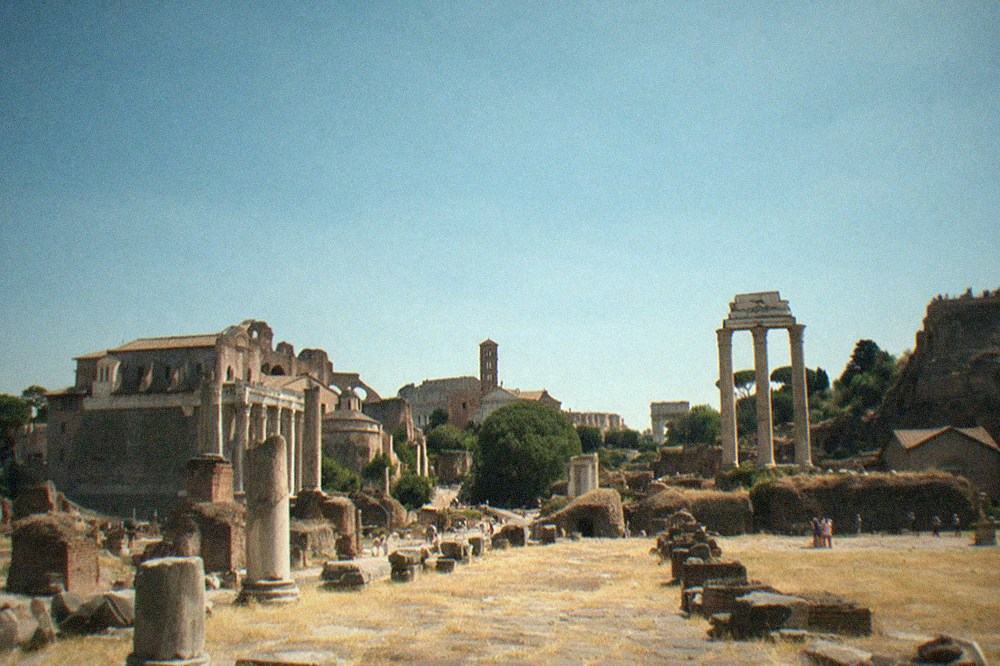
The fine print differs enough by site that it is worth knowing before you queue. At the Colosseum, free Sunday tickets are handed out in order of arrival at the ticket office in Piazza del Colosseo near the Temple of Venus and Rome, and at Largo della Salara Vecchia, and they cannot be booked online, which is the opposite of every other day of the month. The free ticket excludes the arena floor, the underground, the upper levels, the panoramic lift and every SUPER site of the Forum-Palatine, and the Domus Aurea is closed that day entirely. Guides may take a maximum of seven people, each collecting an individual ticket.
At the Galleria Borghese, the free Sunday ticket still carries a compulsory EUR 2 booking fee, and booking itself is mandatory, so "free" there means EUR 2 and a reserved slot. At the Pantheon, free Sunday tickets are collected on site at the cash desks and the automatic totems, not online, and the free ticket gives no priority access. The Colosseum park also opens free to all on 25 April, 2 June and 4 November, beyond the first Sundays. If you want the deeper mechanics of the scheme across the year, the dedicated free Sundays in Rome guide breaks down every site. A free walk covers this ground: Bilingual Secrets Of Rome.
One live closure to plan around: the Crypta Balbi, one of the four Museo Nazionale Romano sites, is temporarily closed, and it appears on plenty of free-museum lists that have not been checked since. Palazzo Massimo, Palazzo Altemps and the Terme di Diocleziano remain open and are ticketed except on the first Sunday.
Who Gets Into Rome Museums Free On Any Day Of The Year
Under-18s of any nationality enter every state museum free, every day, with no booking privilege attached. Children under 7 enter the Vatican Museums free, and under-6s enter the civic museums free. Visitors with disabilities plus a companion enter free across the state, civic and Vatican systems, and ICOM and ICOMOS card holders do too.
The under-18 rule is the most under-used free ticket in Italy, because the Ministry's own wording carries no nationality condition: an American, British, Australian or Japanese 15-year-old enters free on exactly the same terms as an Italian one. Under-12s must be accompanied. The famous EUR 2 rate for 18 to 25 year olds is different and narrower: it is an EU-citizen rate, extended to non-EU citizens only where reciprocity agreements exist, so a non-EU 22-year-old should not be promised the discount. The distinction trips up a remarkable number of guides.
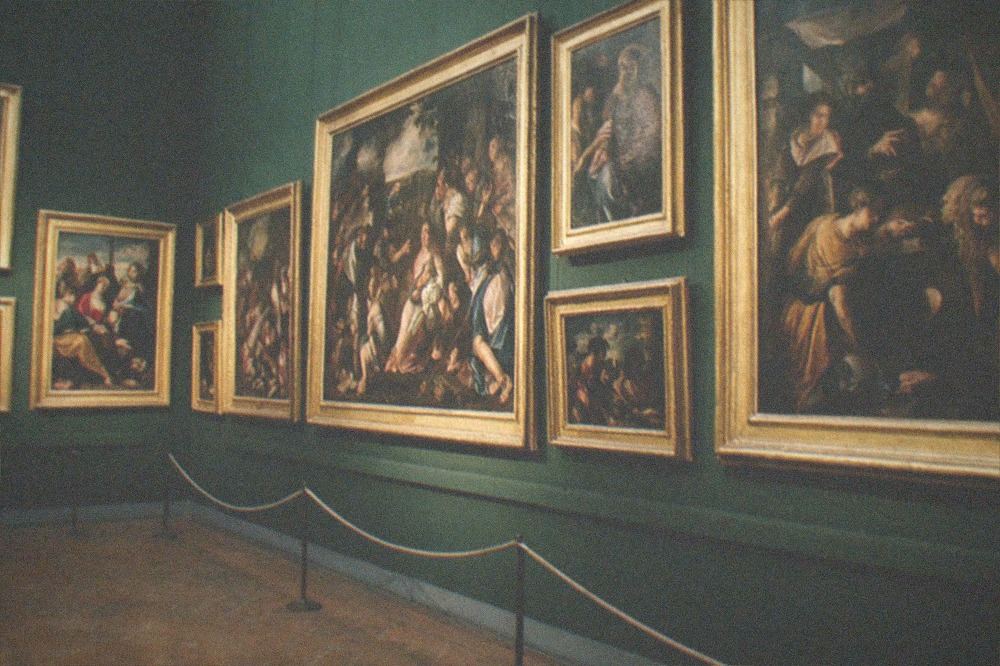
For art lovers, the standing free categories matter most inside the churches, which are museums in all but name, and that is where a walking guide earns its keep. The Caravaggio Mystery Walk, a two-hour English tour rated 4.92 across 2,028 GuruWalk reviews, is built around exactly this: the painter's canvases hang free in San Luigi dei Francesi and Sant'Agostino, and the walk connects them to the streets where he lived, fought and died. It meets at Piazza della Minerva, and like every walk on this site it is pay what you want on GuruWalk, booked for nothing up front.
The Vatican Museums add their own daily free list: children under 7, disabled visitors with certified invalidity of at least 67 percent plus a companion, and ICOM and ICOMOS card holders. One practical wrinkle almost nobody publishes: those free Vatican tickets for disabled visitors and companions cannot be booked online, and are issued in person at the Special Permits or Welcome Desk in the entrance hall on production of the certificate. If that applies to your group, do not waste an hour at the wrong window.
The Vatican Museums' Free Last Sunday
The Vatican Museums are free on the last Sunday of every month, 09:00 to 14:00 with last entry at 12:30, walk-in with no booking. The free day does not run when that Sunday is Easter, 29 June, 25 or 26 December, or 31 December. It is a separate rule from the Italian state system's first Sunday, and the two never overlap.
The museums are normally closed on Sundays, so the last Sunday is the one day a week the Sistine Chapel is reachable without a ticket, and everyone in Rome knows it. No ticket can be reserved for the free morning, the window is five hours long with a 12:30 cut-off, and visitors must leave the halls 30 minutes before closing. No official source publishes a queue time, and it would be dishonest to invent one; what can be said is that arriving early is the only lever you control. The museums' own calendar page carries the standing rule and the exceptions. A free walk covers this ground: Ghosts And Mysteries, Bilingual.
If your free-Sunday tolerance for crowds is limited, the smarter play is often to spend the morning in the free basilica instead. St Peter's itself is free every day, 07:00 to 20:00, and the Vatican Grottoes beneath it, holding the tombs of many popes, are free to visit too. The St Peter's Basilica free entry guide covers the dress code, the security checkpoints and the EUR 7 trap, which is not an entry fee but a paid time slot with an audio guide bolted on. A free walk covers this ground: Small-Group Vatican, 1 Hour 30.
For the Vatican side more broadly, the free Vatican walking tour guide lays out what a pay-what-you-want walk covers versus what the museums charge for, and the Sistine Chapel free entry question is answered plainly: only on that last Sunday, or through the free categories above.
Museums That Stopped Being Free In 2026
Five civic museums that were free for everyone for years moved to paid entry for non-residents on 1 February 2026: the Museo Barracco, the Museo Carlo Bilotti, the Museo Pietro Canonica, the Museo Napoleonico and the Villa di Massenzio. Twelve other civic sites went the other way, becoming free for residents, and four stayed free for all.
The full change is documented on Roma Capitale's own tariff announcement page, and it is the single biggest shake-up to Rome's free-museum landscape in decades. The Museo Napoleonico now charges non-residents EUR 7.50 full and EUR 6 reduced. The Barracco, Bilotti, Canonica and Villa di Massenzio changes are confirmed; their exact new prices were not traceable to a museum page, so check each listing before you go rather than trusting a figure quoted second-hand.
The two Villa Borghese casualties, Bilotti at the Aranciera and Canonica in the middle of the park, are the ones still listed as free on most English-language guides, because the park around them is free and the mistake is easy to repeat. Canonica's is the harder loss: the sculptor's studio-museum inside the park was one of Rome's quietest free afternoons. If you are planning a park day, the Villa Borghese free entry guide separates the free park, the paid gallery and the two newly paid museums in one place.
The same policy that built those paywalls also funded free entry elsewhere, and this is the part no competitor page explains: the EUR 2 Trevi Fountain ticket introduced on 2 February 2026 is explicitly earmarked, in the city's own press release, to fund free civic-museum entry for residents and heritage maintenance. In its first month the Trevi ticket recorded 229,896 entries and raised EUR 435,194. Tourists paying at the fountain are, quite literally, paying for Romans' museum tickets. Whether that reads as fair or cynical, it is the documented mechanism. One of the free walking routes passes through here: 11 Spots, 2 Hours 45.
Free Museums Almost Nobody Lists
The Museo Storico della Liberazione at Via Tasso 145 is free for everyone, every day it opens, 09:00 to 19:00, and needs booking only for groups over six. The Museo delle Anime del Purgatorio, inside the church of Sacro Cuore del Suffragio on the Lungotevere Prati, is free during church hours. Neither appears on the standard free-things lists.
The Museo Storico della Liberazione occupies the former Gestapo prison in Rome, where the cells retain the graffiti scratched by prisoners awaiting interrogation, and it is run under the Ministry of Culture as a permanent, genuinely free memorial. It closes 24 to 26 December, 1 January, Easter and 14 to 16 August. It is a heavy visit, and a worthwhile one, and it is the strongest free museum in Rome that the listicles skip.
The Museo delle Anime del Purgatorio is the opposite register entirely: a single corridor of small objects, hymn books and wooden tablets allegedly marked by the hands of souls in purgatory, collected by a nineteenth-century priest. It is free, it is inside an active church on the Tiber embankment, and exact hours vary, so treat it as a stop when the church is open rather than a destination with a timetable.
Beyond the museums, remember that Rome's churches function as free art galleries with better opening hours: San Luigi dei Francesi holds three Caravaggios with no ticket, the Gesù and Sant'Ignazio cost nothing, and the free churches in Rome guide maps which naves are free and which crypts and cloisters charge underneath them. The Bilingual Center Walk, a two-and-a-quarter-hour English and Spanish tour rated 4.82 across 1,529 GuruWalk reviews, threads several of these churches together with the Pantheon and the Trevi district, meeting at Foro Traiano, and it is pay what you want like everything on GuruWalk.
Planning A Free Museum Day In Rome
Anchor your day to one system, not two: a first Sunday works for state sites only, a last Sunday for the Vatican only, and the four free civic museums run any day. Arrive at state sites early on free Sundays because tickets are first-come, book the Galleria Borghese even though it costs EUR 2, and expect the Pantheon's free ticket to be collected on site, never online.
The table below compresses the whole landscape into one view. Note what it cannot promise: prices at the five newly paid civic sites beyond the Napoleonico, which are unconfirmed, and the Pantheon's ticket price, which is genuinely unpublished from any official source this site could verify. Say it is ticketed, use the free routes in, and skip the number.
| Museum or system | Free for everyone? | The condition |
|---|---|---|
| Museo della Repubblica Romana | Yes, always | Closed Mondays |
| Museo delle Mura | Yes, always | At Porta San Sebastiano |
| Museo di Casal de' Pazzi | Yes, always | Eastern suburbs location |
| Casa Museo Alberto Moravia | Yes, always | Small apartment museum |
| State museums, incl. Colosseum, Pantheon, Borghese | Yes, first Sunday of the month | Some exclusions; Borghese still charges EUR 2 booking |
| State museums | Under-18s free any day, any nationality | Under-12s accompanied |
| Vatican Museums | Last Sunday, 09:00-14:00 | Not on Easter, 29 June, 25-26 or 31 December |
| Museo Storico della Liberazione | Yes, always | Groups over 6 book ahead |
| Capitoline Museums, Ara Pacis, Centrale Montemartini and 9 more civic sites | Residents only | ID at the desk |
| Barracco, Bilotti, Canonica, Napoleonico, Villa di Massenzio | No, since February 2026 | Non-residents pay |
Two more planning facts worth carrying. The Colosseum park is free to all on 25 April, 2 June and 4 November as well as the first Sundays, so a spring or autumn trip can land two free days in one week. And European Heritage Days fall on 26 and 27 September, with a symbolic EUR 1 evening opening at state museums on the Saturday: a cheap night, not a free one, but a rare chance to see a gallery after dark.
For the practical layer around the museums, transport and timing, the cheap things to do in Rome guide and the Rome on a budget guide cover the EUR 1.50 BIT ticket, the tourist tax and where the unavoidable costs actually sit. A museum day on foot is very doable: the Two-Hour Highlights Walk, rated 4.9 across 722 GuruWalk reviews and meeting at Campo de' Fiori, is a pay-what-you-want GuruWalk orientation that ends you within walking distance of half the state system.
How A Free Walking Tour Fits A Free Museum Day
A pay-what-you-want GuruWalk walk costs nothing to book and you tip the guide at the end, typically 10 to 20 euros per person for a two to three hour tour. That makes it the natural bridge between free museums: morning in a first-Sunday state site, a walk at midday, and a free church or civic museum in the afternoon.
Every walk on this site is a real listing on GuruWalk, run by an independent local guide, and this site operates none of them. The tipping range comes from GuruWalk's own Rome guidance, which notes some walkers leave up to 50 euros, and from operator and traveller reports that land on the same 10 to 20 euro band. Groups normally do not exceed 35 participants, and a guide on the Italian national register can now show a QR-verifiable badge, introduced from 26 August 2026, which is how you check a credential yourself.
If the museums are your priority, pick a walk that matches your ticket day. On a first Sunday, the Colosseum Walk, a bilingual English and Spanish tour rated 4.88 across 1,463 GuruWalk reviews, meets near the ancient centre and pairs with the free Colosseum ticket, though remember the free ticket excludes the arena and underground. On any other day, the 11 Spots walk at two hours 45 minutes, rated 4.95 across 6,498 GuruWalk reviews, covers the Trevi, Pantheon and centro storico ground between museum stops. The full comparison, including the night and neighbourhood walks, is in the free walking tours in Rome guide.
Common Questions About Free Museums In Rome
Which museums in Rome are free every day?
Four civic museums are free for everyone year round: the Museo della Repubblica Romana e della Memoria Garibaldina, the Museo delle Mura, the Museo di Casal de' Pazzi and the Casa Museo Alberto Moravia. The Museo Storico della Liberazione at Via Tasso 145 is also free every day it opens. Every other Rome museum charges, at least for non-resident adults.
Are Rome museums free on the first Sunday of the month?
State museums are: the Colosseum, the Roman Forum and Palatine, the Pantheon, Castel Sant'Angelo, the Galleria Borghese, the Baths of Caracalla, Palazzo Barberini and the rest of the national system, free for everyone on the first Sunday of each month. The Vatican Museums are not part of the scheme, and neither are Rome's civic museums, which since February 2026 are free only for residents.
Is the Galleria Borghese really free on the first Sunday?
Admission is free but booking is compulsory and the EUR 2 booking fee is still charged on every ticket type, including free ones. The official price list shows the free ticket as EUR 0.00 plus EUR 2.00 as a booking right. So budget EUR 2 per person and reserve your slot well ahead.
Do children get into Rome museums free?
Under-18s of any nationality enter every state museum free, every day, with no nationality condition in the Ministry's own wording. Under-6s enter the civic museums free, and under-7s enter the Vatican Museums free. The EUR 2 rate for 18 to 25 year olds is an EU-citizen rate, extended to non-EU citizens only on reciprocity.
Which Rome museums stopped being free?
On 1 February 2026, five civic museums moved to paid entry for non-residents: the Museo Barracco, the Museo Carlo Bilotti, the Museo Pietro Canonica, the Museo Napoleonico and the Villa di Massenzio. Guides still listing them as free are out of date. The Napoleonico charges non-residents EUR 7.50 full; check the other listings directly for their current prices.
Is the Crypta Balbi free on the first Sunday?
It would be, as one of the four Museo Nazionale Romano sites, but the Crypta Balbi is temporarily closed. The other three sites, Palazzo Massimo, Palazzo Altemps and the Terme di Diocleziano, are open and free on the first Sunday of the month.