Are Buses Free In Rome? Walkable Distances And What Transport Costs
Rome's historic centre is best seen on foot, but public transport can help you cover longer distances. Here's what you need to know about bus fares, walkable distances, and how to avoid the steep fine for travelling without a ticket.
Short answer
No, buses in Rome are not free. A single BIT ticket costs €1.50 and is valid for 100 minutes across buses, trams and one metro journey. Children up to 10 travel free with an adult, but everyone else must pay. The city's walkable core means you can reach most headline sights for nothing, and the steep €104.90 fine makes fare evasion a bad gamble.
Are Buses Free In Rome?
No, Rome's buses, trams and metro are not free. A BIT ticket costs €1.50 and is valid 100 minutes on all city buses and trams plus one metro journey. Children up to 10 ride free with a fare-paying adult, but everyone else must buy and validate a ticket. The fine for travelling without one is €104.90, or €54.90 if paid within five days.
The city's public transport is run by ATAC, and the same BIT ticket works across the whole network inside the Rome municipality. You buy it from metro station machines, tabaccai (tobacco shops) with the "T" sign, or via the ATAC Tap and Go contactless system. Once validated, it gives you 100 minutes to hop on and off buses and trams, and it covers one metro entry. If you need to take the metro twice, you need a second ticket.
Rome's fine for ticketless travel is one of the steepest in Europe, and ATAC's inspectors routinely check buses and metro exits. The exact amount is €104.90: that's a €100 penalty, €3.40 in costs, plus the €1.50 fare. If you pay within five days of the notice, it drops to €54.90. The simplest way to avoid it is to always validate your ticket the moment you board, and to keep it with you for the whole journey. We tackled this question with the full penalty breakdown in our post on whether Rome's buses are free, and our Rome on a budget guide shows how to keep a full day's costs low while still seeing the major sights.
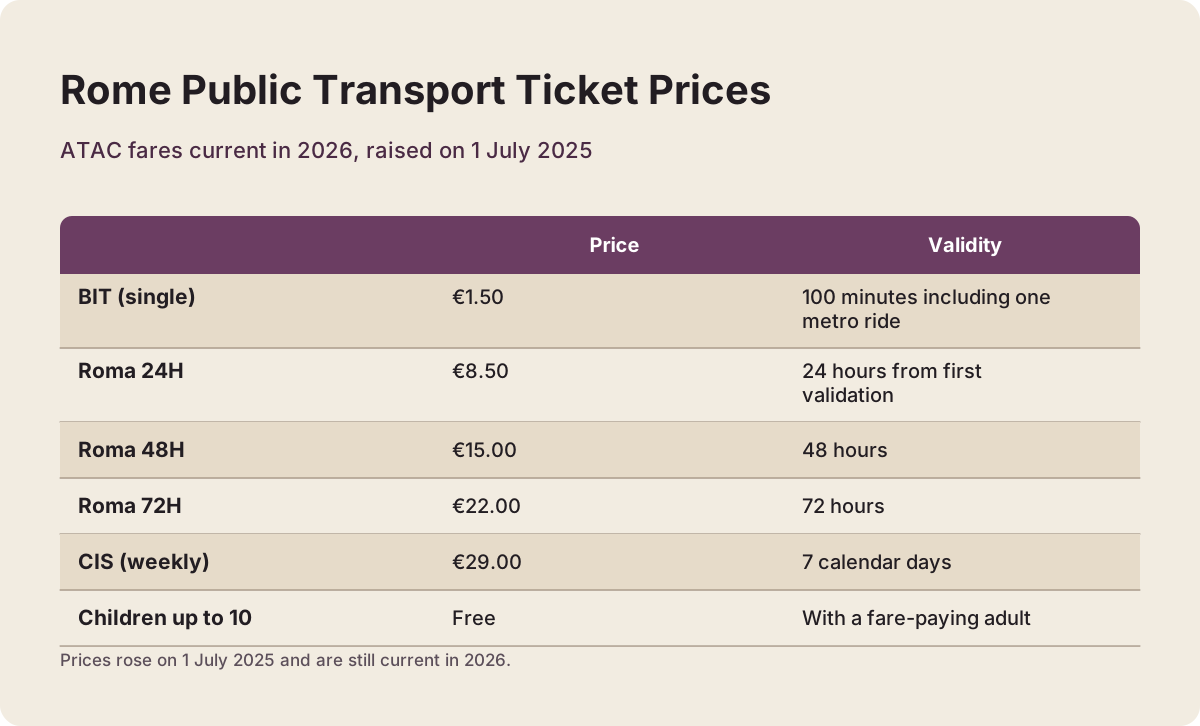
| Ticket / Pass | Price | Validity |
|---|---|---|
| BIT (single) | €1.50 | 100 minutes including one metro ride |
| Roma 24H | €8.50 | 24 hours from first validation |
| Roma 48H | €15.00 | 48 hours |
| Roma 72H | €22.00 | 72 hours |
| CIS (weekly) | €29.00 | 7 calendar days |
| Children up to 10 | Free | With a fare-paying adult on ATAC and Cotral urban routes |
All prices rose on 1 July 2025 and are still current in 2026. The 24-hour pass jumped from €7 to €8.50, the 48-hour from €12.50 to €15, and the 72-hour from €18 to €22. Pre-rise tickets bought before 1 July 2025 were valid until 31 October 2025, so any old blog quoting the lower numbers is now out of date.
The cheapest way to pay is Tap and Go. You tap a contactless card or phone on the yellow validators and the system charges €1.50 per BIT. If you tap four times in 24 hours, it automatically caps at the €8.50 Roma 24H fare, so you never overpay. Children up to ten ride free alongside a paying adult, and infants are not counted. There is no free-travel day, no free shuttle for tourists, and no free zone inside the city, so your only genuine zero-cost transport route is walking.
How Walkable Is Rome's Centre?
The centro storico is compact enough that walking between the Colosseum, the Trevi Fountain, the Pantheon and Piazza Navona usually takes a casual morning, and you rarely need a bus for the core sights. No official body publishes walking times between individual landmarks, but Rome's own data shows the city is designed to be crossed on foot, and the ZTL traffic restrictions make the centre far more pleasant for pedestrians than a map suggests. A free walk covers this ground: Bilingual Center Walk, 2 Hours 15.
Several official routes do have published lengths. The Via Appia Antica runs about 16 km inside the city from Porta San Sebastiano to the outskirts, a full-day walk on ancient cobbles. The Passeggiata del Gelsomino, the pedestrian path beside the Vatican walls, is just under one kilometre. The Almone itinerary is a little over 6 km, and Via di San Bonaventura on the Palatine, repaved in sanpietrini in 2026, is about 300 metres.
No official list records the distance between the Pantheon and the Spanish Steps, or from Piazza Navona to Campo de' Fiori. That gap means you should treat any site that prints a precise "ten-minute walk" as an estimate, not a sourced fact. What is verifiable is that the centro storico daytime ZTL bans non-authorised vehicles Monday to Friday 06:30-18:00 and Saturday 14:00-18:00, and the night-time ZTL bars them Friday and Saturday 23:00-03:00 except in August. A 30 km/h limit applies across the whole Centro Diurna perimeter from 15 January 2026. Those rules push cars off the narrow streets and leave the piazzas to walkers, performers, and the odd Free Things To Do In Rome guide leading a group past the fountains. This stop sits on a free walking route, Two-Hour Highlights Walk.
A walking tour is the natural way to string together the sites, and the best ones cover the ground while explaining what you are looking at. One tour leaves from Foro Traiano, right beside the Imperial Forums, and works through the centro storico in just over two hours.
After the tour, the same guide can point you to the next neighbourhood, so you never need to wonder which bus to catch next.
What Does Public Transport Actually Cost In Rome?
A single BIT ticket costs €1.50 and is valid 100 minutes across buses, trams and urban rail plus one metro ride. Multi-day passes are €8.50 for 24 hours, €15 for 48 hours, €22 for 72 hours, and €29 for a weekly CIS pass. Children up to ten travel free. Tap and Go automatically caps at the pass price, so you never overspend.
The table below lays out every ticket type a visitor is likely to need. The BIT is the only ticket you can buy singly; all others are sold as cards at metro stations, tabaccai, and a handful of tourist-info points.
| Ticket | Price | Who can use it |
|---|---|---|
| BIT | €1.50 | One rider, 100 minutes, one metro entry |
| Roma 24H | €8.50 | Unlimited trips in Rome for 24 hours |
| Roma 48H | €15.00 | 48 hours |
| Roma 72H | €22.00 | 72 hours |
| CIS | €29.00 | 7 calendar days, unlimited |
| Over 70 resident pass | Free | Rome residents with ISEE ≤ €15,000 only |
| Children up to 10 | Free | With a paying adult on ATAC and Cotral services |
The €1.50 BIT might look cheap, but it only covers one metro journey. If your hotel is near Termini and you plan to take the metro twice in one day, you are better off buying a Roma 24H for €8.50, which costs less than six BITs. The 48-hour pass at €15 breaks even after ten BITs over two days, and it eliminates the need to hunt for a tabaccaio every morning.
Tap and Go automatically chooses the cheapest fare. After your fourth tap in 24 hours, it applies the Roma 24H cap and charges no more for the rest of the day. You never need to predict in advance how many rides you will take.
Fines for travelling without a ticket are a real risk. Inspectors check at metro exits and randomly on buses. The penalty breaks down as follows:
| Situation | Amount | Notes |
|---|---|---|
| Standard fine | €104.90 | €100 penalty + €3.40 costs + €1.50 fare |
| Paid within 5 days | €54.90 | €50 penalty + €3.40 costs + €1.50 fare |
| Unaccompanied minor | Same as adult | No discounts for age |
A 36-year-old caught near the Pantheon in 2025 with a fake guide badge faced a €4,000 fine for abusive guiding, plus forgery charges, but a tourist caught without a BIT ticket faces a different scale. The €104.90 figure has held steady through 2026, and ATAC's own FAQ confirms it. There is no grace period for tourists and no "first-ride free" window. Always validate.
Which Buses And Trams Are Actually Useful For Walkers?
The bus network covers every corner of Rome, but for a visitor on foot only a handful of routes matter. Buses 40 and 64 are express lines connecting Termini with the Vatican, while tram 8 runs from Trastevere to Largo di Torre Argentina, a short walk from the Pantheon and Piazza Navona. Using them sparingly keeps costs low, while relying on your feet for the centro storico is still the surest way to see the city.
The 64 has a decades-old reputation for pickpockets, but no official crime data isolates that single bus line. The Prefetto's zona rossa ordinances, which give police extra powers to remove people with recent records, cover defined zones around the Colosseum, Fori Imperiali, and Termini station. Those are the areas where extra vigilance makes sense, rather than a single bus number. The UK FCDO and US State Department both give general crime guidance for Italy without naming any Rome neighbourhood or bus line. A free walk covers this ground: Colosseum Walk, Bilingual, 1 Hour 45.
If you do take a bus, the validation rule is the same as the metro: stamp your BIT ticket as soon as you board, and hold onto it. A ticket without a timestamp is invalid, and inspectors treat it the same as no ticket at all.
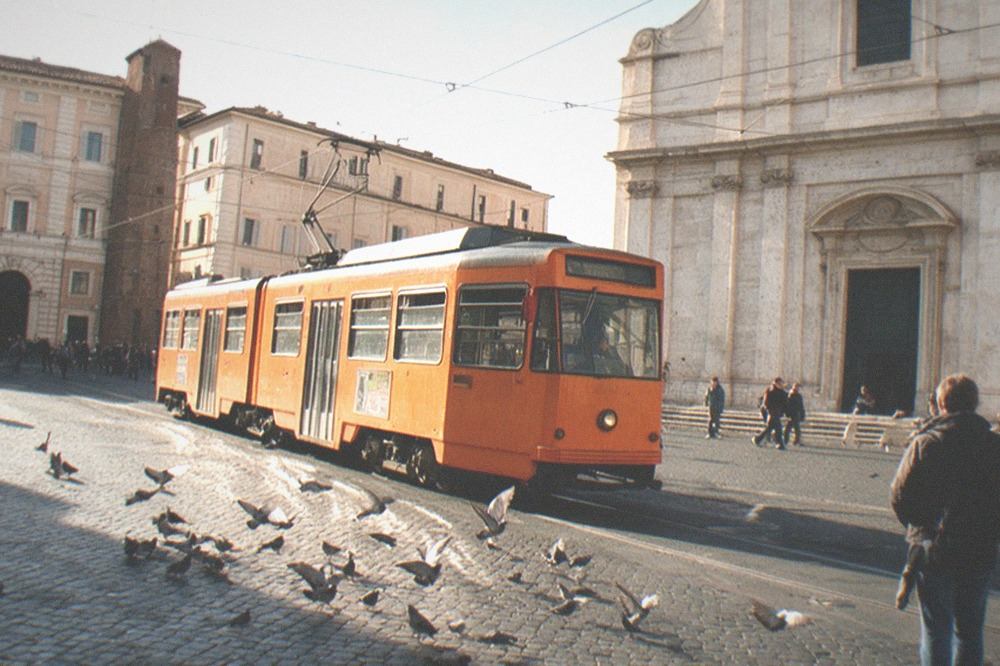
When you are walking, the free public wifi network ROMACAPITALE_WIFI covers 55 piazzas and more than 280 access points, with seamless roaming for 14 days. It is a different system from the institutional DigitRoma WiFi, so look for the ROMACAPITALE_WIFI SSID on your phone while you pause at a fountain. No official map of the exact access point locations is published, but the network works in most major squares.
Are There Any Free Transport Options At All?
Only children up to 10 travel free on Rome's public transport, and only when accompanied by a fare-paying adult. There is no free-travel day, no free shuttle for tourists, and no free Sunday or holiday scheme for buses or the metro. The city's transport is not free in any season, and the penalty for assuming otherwise is an instant €104.90 fine.
Every ATAC bus carries a folding ramp and a dedicated wheelchair space. That matters for anyone with mobility concerns, because it means you can board any bus without needing to plan around step-free stations. The metro is less consistent; no official count of step-free stations was published for 2026, so if you rely on a lift, check ATAC's accessibility page before setting out.
Rome's free-transport offer is limited to resident concessions. Over-70s living in Roma Capitale with an ISEE below €15,000 get a free annual pass, and residents with disabilities from 67 percent get a reduced annual pass priced between €20 and €50. These are not tourist schemes, and a visiting over-70 does not qualify. The city's budget counts every euro from tourists, and the Trevi Fountain's EUR 2 inner-perimeter ticket is explicitly earmarked to fund free museum entry for residents, not to give away bus rides. A free walk covers this ground: 11 Spots, 2 Hours 45.
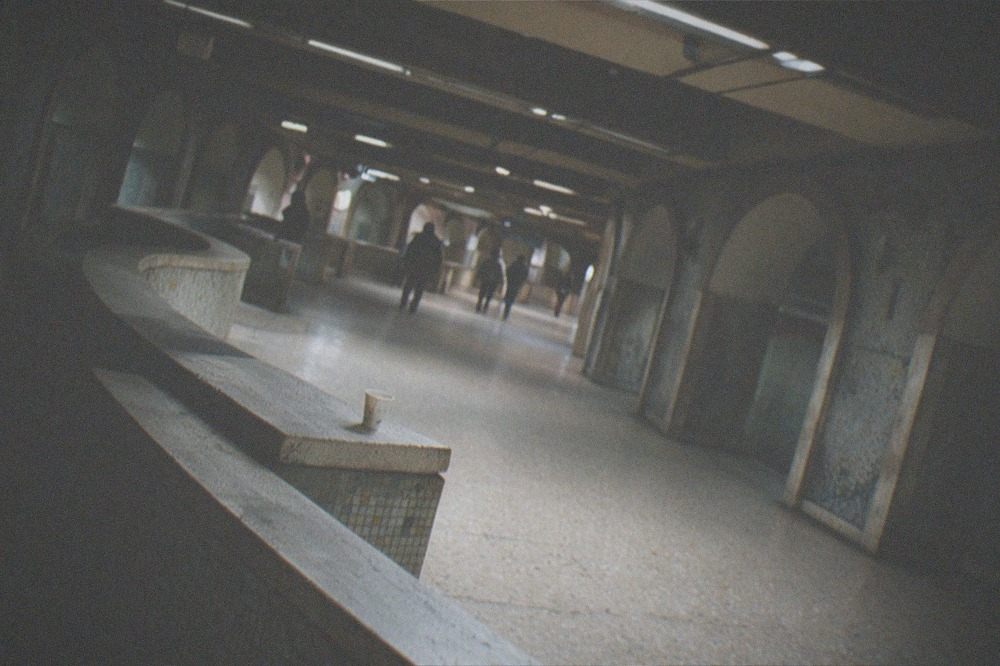
Instead of chasing a free bus, the smarter choice is a pay-what-you-want walking tour that covers several neighbourhoods in a single outing. One tour meets at Campo de' Fiori and covers the centre's highlights in two hours.
From Campo de' Fiori you are already in the thick of the centro storico, so even after the tour ends you can continue wandering without ever boarding a bus.
How To Handle Transport Strikes And Night Buses
Italy's transport strikes are proclamated on the government register at scioperi.mit.gov.it. You can check the site before your trip and see which unions are striking, on what days, and for which hours. Guaranteed-service bands protect the morning and evening peaks, so even on a strike day you can usually get to the airport or the Termini hub if you travel early.
Rome's night-bus network expanded in July 2026 under the "Piano Roma Notte". Lines NMA, NMB, NMB1 and NMC run every 8 to 10 minutes on Saturday nights, with 72 extra journeys and travel assistants on Thursday, Friday and Saturday nights. The N-lines mirror the metro paths, so NMA replaces metro line A, NMB replaces line B, and NMC covers line C from Piazza Venezia to Pantano. If the metro has stopped running for the night, the night bus is a reliable fallback for the cost of a single BIT. The Ministry of Infrastructure and Transport updates the strike register continuously, so it is the single source to trust over any travel blog. One of the free walking routes passes through here: Bilingual Secrets Of Rome.
All of this still costs money, but the investment pads your legs for the next morning's walk. A night strike registered on the government site will list its start and end times, so the worst-case scenario is a late-night taxi back to your hotel.
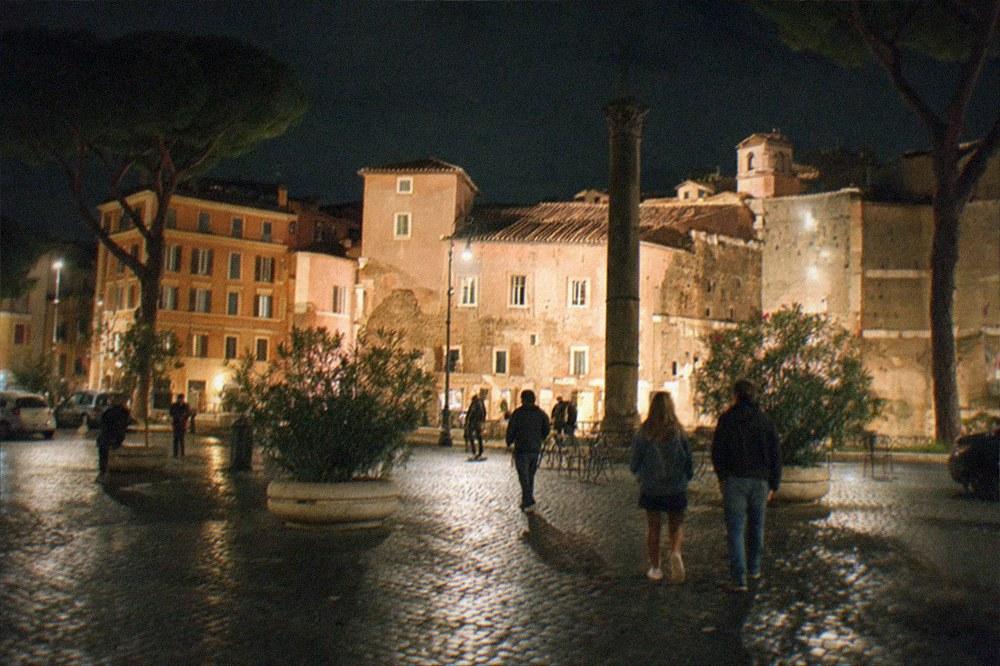
What Are The Best Free Walking Routes That Cover The Main Sightseeing Loops?
GuruWalk's Rome page lists dozens of free, pay-what-you-want walks, and several of them form a natural walking loop through the centro storico, the ancient sites, and the Trastevere lanes. The platform's own guidance suggests a tip of €10 to €20 per person for a well-led two-hour tour, and you can join more than one in a day since they are scheduled back-to-back. A free walk covers this ground: Ghetto And Trastevere, English.
One walk starts at Piazza di S. Marco 48, beside Piazza Venezia, and threads through the Trevi Fountain, the Pantheon and Piazza Navona in under three hours. The full directory of free walking tours in Rome lists every GuruWalk route, including the evening walks that cover the city after dark.
After covering the Spanish Steps-to-Trevi axis, a second walk that begins at the Colosseum fills in the ancient-Rome side. It runs for just under two hours and includes the Forum and the Vittoriano.
The Trastevere and Jewish Ghetto loop is another free-walking option, crossing the Tiber and moving through the narrow streets west of the river. That walk meets at the Fontana delle Tartarughe and lasts roughly an hour and 45 minutes.
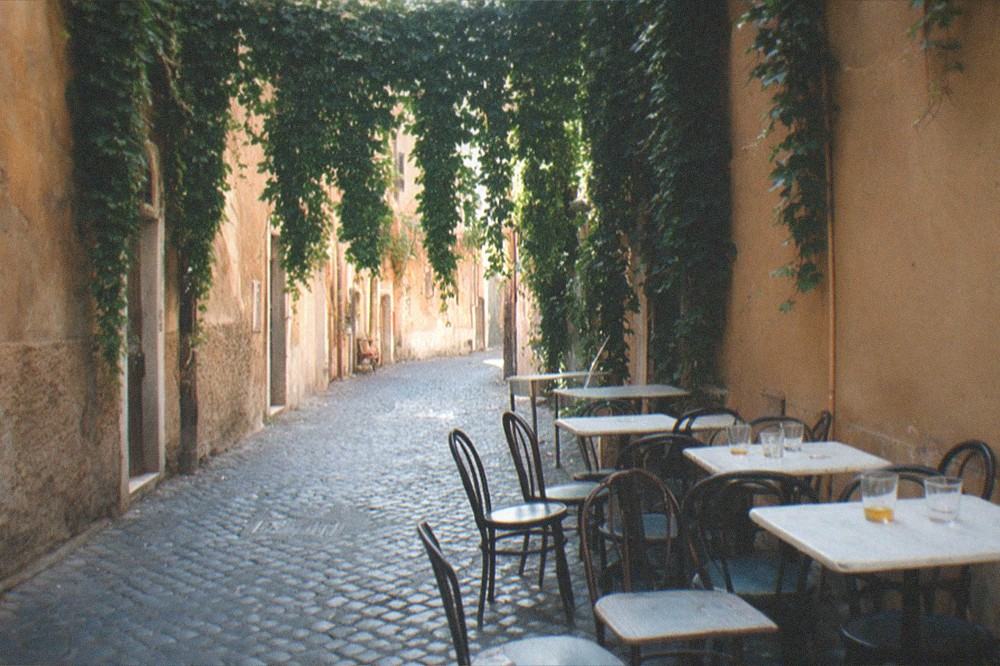
The only out-of-pocket cost on any GuruWalk tour is the tip you choose to leave at the end. Across 2025 and 2026, travellers on Reddit and in the platform's own guidance settled on a range of €10 to €20 per person for a two-hour walk, with some leaving €5 and others as much as €50 for an outstanding guide. That makes a walking tour cheaper than a single Roma 24H ticket, and you actually learn the city while you move.
What Does The City Say About Walking, Safety, And The Rules That Affect You?
Rome's Prefetto has established "zona rossa" areas around the Colosseum, the Fori Imperiali, Termini station, and parts of the Esquilino, giving police the authority to remove people with recent records. Those are the zones to pass through rather than linger in late at night. Elsewhere, the centro storico is well-lit and heavily patrolled, and the biggest practical risk is a pickpocket on a crowded bus, not street crime on foot. One of the free walking routes passes through here: English Ancient Rome, 2 Hours 15.
The national crime index, compiled from Ministry of the Interior data, ranked Rome third among Italian provinces for total reported crimes per 100,000 inhabitants in 2024, and second for theft. That year Rome recorded 33,431 thefts by stealth, the category that includes pickpocketing, and 2,008 street robberies, up about 22 percent. These are broad municipal figures, not a warning about any single street. No official body publishes a list of dangerous neighbourhoods, so any blog that names one is offering an opinion, not an authority. For a walking route that stays in busy lanes after sunset, our guide to free things in Trastevere maps out the west-bank streets where the foot traffic lasts well past dinner.
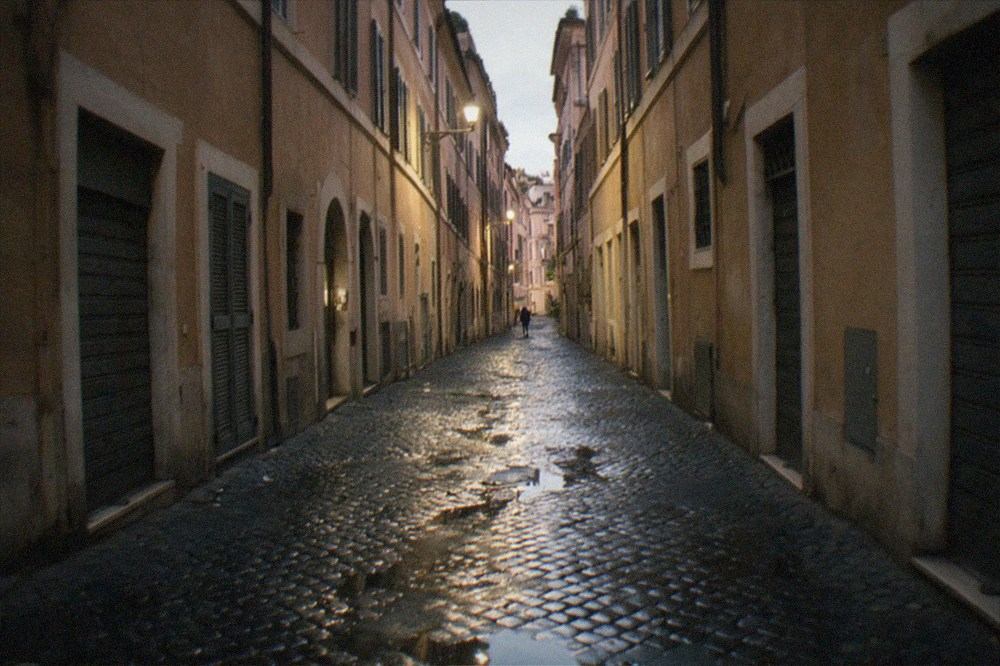
Staying safe while walking in Rome comes down to common-sense rules: keep your bag zipped and in front of you, especially on the 40 and 64 buses, and avoid flashing phones near traffic. The free nasoni fountains run drinkable water at 2,800 points across the city, so you never need to buy a bottle to stay hydrated on a long walk. ACEA confirms the water is the same that reaches Roman homes, under annual quality control.
When Public Transport Saves You More Than Walking
For reaches like the Appia Antica park, Ostia Antica or the EUR district, walking the entire distance is impractical. The metro and trams cover those outskirts, and a multi-day pass pays for itself if you plan two or three longer trips. Inside the centro storico, the economics flip: a single BIT costs more than the tip you leave on a walking tour, and you miss everything in between.
The Appia Antica park stretches 16 km, and walking its full length takes most of a day. You can take the bus from the Circo Massimo metro stop to the Cecilia Metella entrance and then walk back. That uses one BIT and leaves you free to explore the catacombs, the mausoleum and the parkland at your own pace. The Almone itinerary, a little over 6 km, connects the Caffarella valley with the Via Latina and the Parco degli Acquedotti, both free entry areas with no gates and no hours.
Rome's sights are concentrated, but its buses and trams exist for the gaps in between. Knowing the price of a ticket and the cost of getting caught without one is the first step toward a day spent walking, not paying fines.
Common Questions About Getting Around Rome On Foot
Are buses free in Rome?
No. A BIT ticket costs €1.50 and is valid for 100 minutes. Children up to 10 ride free with a paying adult, but everyone else must buy and validate a ticket.
What is the fine for not having a bus ticket in Rome?
The full fine is €104.90, including a €100 penalty, €3.40 in costs, and the €1.50 fare. It drops to €54.90 if paid within five days.
Can I tap my card on Rome buses?
Yes. Contactless Tap and Go charges €1.50 per BIT and automatically caps at the €8.50 Roma 24H fare after four taps within 24 hours.
Are there any free transport days in Rome?
No. There is no free shuttle, free Sunday, or free holiday scheme for Rome's public transport in 2026. Only children up to 10 ride free with an adult.
Is it safe to walk in Rome at night?
The centro storico is well-lit and patrolled. Police-designated "zona rossa" areas around Termini and the Colosseum give officers extra powers to move on people with recent records, but the UK and US governments do not name any specific Rome neighbourhood as unsafe.
How much should I tip on a free walking tour in Rome?
Travellers and the GuruWalk platform itself point to a range of €10 to €20 per person for a two-hour tour, with €5 acceptable on a tight budget and up to €50 for an exceptional guide.