Are Buses In Rome Free?
No, buses in Rome are not free: a single BIT ticket costs EUR 1.50 and is valid 100 minutes. Here is what transport really costs, who rides free, and when walking wins.
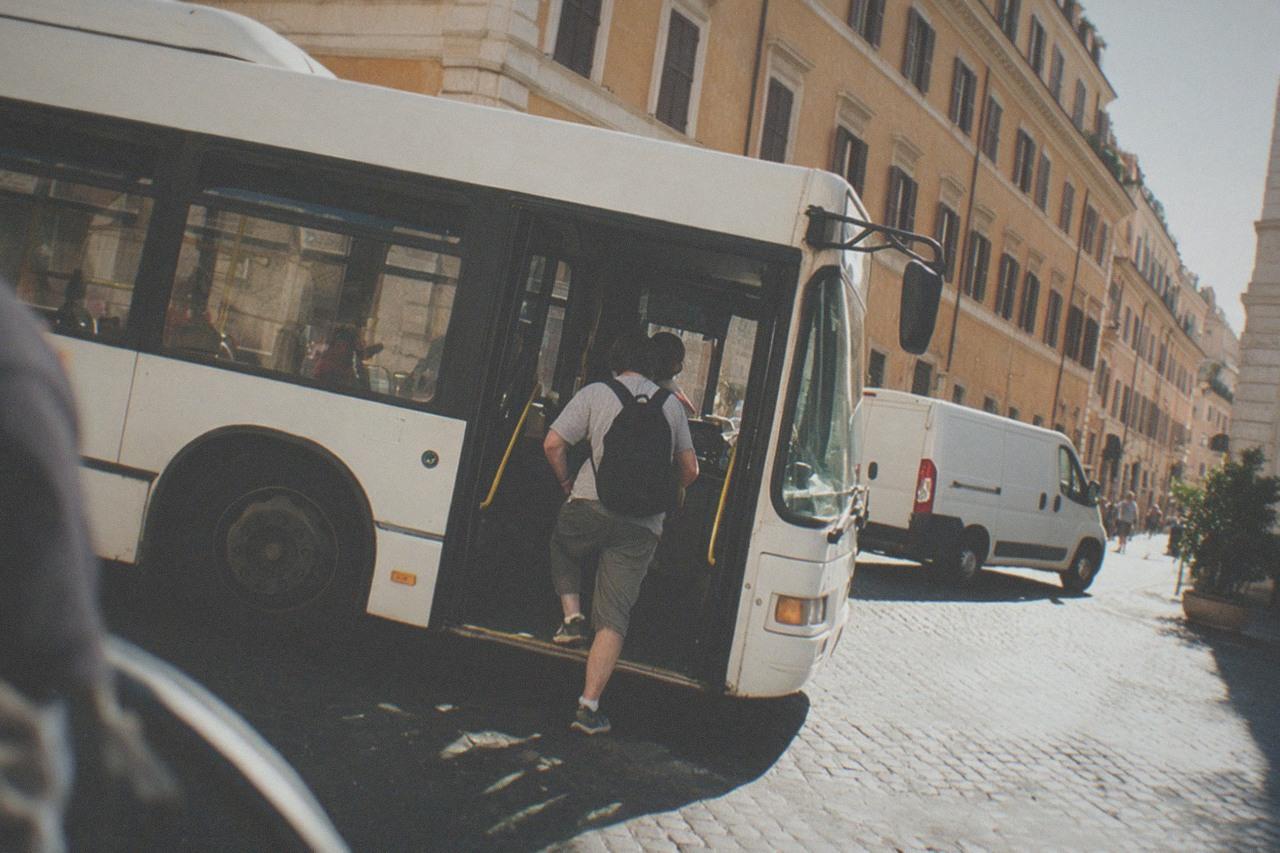
Rome's buses look almost too casual to be paid transport. People board at the back, doors hiss open at painted curbs, and there is rarely a barrier or a uniformed inspector in sight. That casualness catches out thousands of visitors every year, and it is the reason this exact question gets typed into search bars at a steady rate. The short answer is no, and the slightly longer answer is that the fine for getting it wrong is 104.90 euros, which is a steep price for a free-looking ride.
Are Buses In Rome Free?
No. Buses in Rome are not free. Every rider aged 11 and over needs a validated ticket, and the standard BIT ticket costs EUR 1.50, valid 100 minutes from first validation across buses, trams and urban rail, including one metro journey. Children up to 10 ride free with a fare-paying adult. The absence of gates does not mean the absence of a fare.
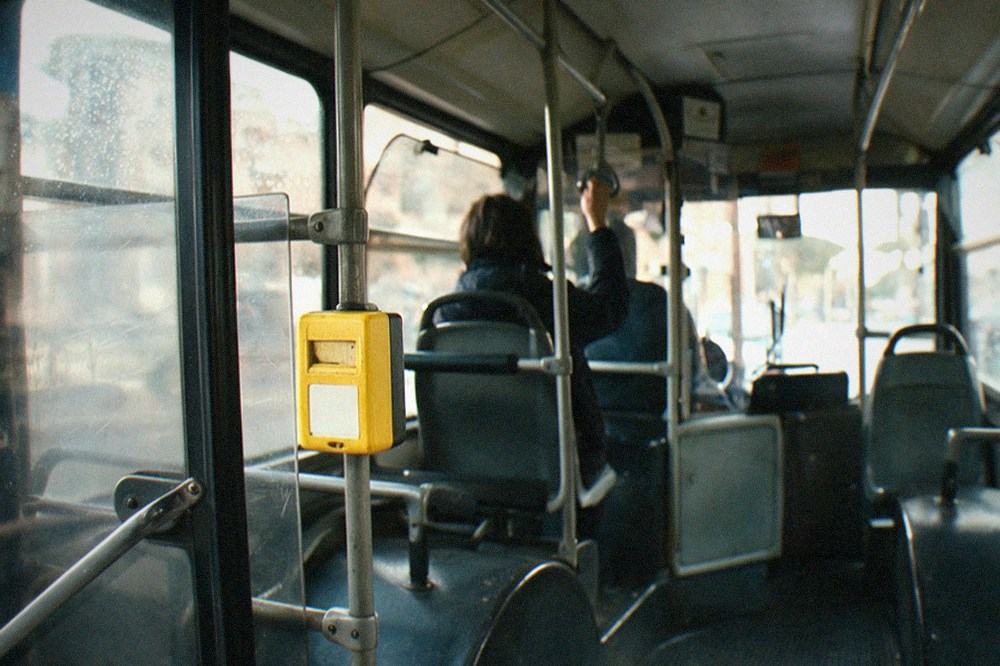
The system is run by ATAC, Rome's public transport operator, and it works on proof of payment. You buy a ticket before boarding, at a tabaccheria, a newsstand, a machine in a metro station or through a contactless card, and then you validate it in the yellow or green reader mounted near the doors. Validation is not optional. ATAC's own conditions of carriage state that tickets must be validated at the start of each journey and kept for its whole duration. An unvalidated ticket in your pocket is legally the same as no ticket at all, which surprises people who assumed buying it was the hard part.
The 100-minute window is generous by the standards of most capitals, and it is the detail that makes the BIT genuinely good value for a visitor. Within that window you can ride a bus, transfer to a tram, ride another bus, and finish with a single metro journey, all on one EUR 1.50 fare. What you cannot do is make a return trip, or re-enter the metro after leaving it. For a day of sightseeing that strings together several short hops, a single BIT can cover a surprising amount of ground.
The question of whether buses are free is worth answering carefully because the honest answer shapes how you plan a whole trip. If transport is not free, then the question becomes how little you can spend on it, and the answer to that is quite a lot less than most visitors expect, because Rome's centro storico is compact and much of it is closed to through traffic. A visitor who books a pay-what-you-want walk across the centre, for instance, often finds the bus is only needed at the start and end of the day.
The trio of walks above, all real listings on GuruWalk run by independent local guides, covers the three areas where a bus is least useful and a pair of shoes most useful: the essential centre, Trastevere and the Jewish Ghetto, and the fountain-and-piazza string from the Trevi to the Pantheon. None of them needs a ticket of any kind. The guiding is pay what you want, and the walks themselves start from points most visitors can reach from their hotel on foot or with a single bus ride. This stop sits on a free walking route, 11 Spots, 2 Hours 45.
What A Bus Ticket Costs, And Where The Money Goes
A single BIT ticket costs EUR 1.50. A Roma 24H pass costs EUR 8.50, Roma 48H EUR 15.00, Roma 72H EUR 22.00 and the CIS weekly EUR 29.00, all unlimited within Rome territory from first validation. Those prices rose on 1 July 2025, so older guidebooks quoting 7 euros for the 24H are out of date.
| Ticket | Price | What it covers |
|---|---|---|
| BIT | EUR 1.50 | 100 minutes on buses, trams and urban rail, one metro journey |
| Roma 24H | EUR 8.50 | Unlimited travel within Rome for 24 hours from validation |
| Roma 48H | EUR 15.00 | Unlimited travel within Rome for 48 hours from validation |
| Roma 72H | EUR 22.00 | Unlimited travel within Rome for 72 hours from validation |
| CIS weekly | EUR 29.00 | Unlimited travel within Rome for seven days from validation |
The price rise is documented in a Regione Lazio deliberation, number 91 of 20 February 2025, which took effect on 1 July 2025: the 24H moved from 7 to 8.50 euros, the 48H from 12.50 to 15, the 72H from 18 to 22 and the weekly from 24 to 29. The operator's own ticketing page, ATAC's BIT page, carries the current figures. Anyone who bought a pass at the old price before 30 June 2025 had until 31 October that year to use it.
Whether a pass beats single tickets is simple arithmetic. The 24H at 8.50 euros pays for itself at six BIT rides, which is a lot of hopping for one day. Most visitors doing a normal sightseeing day, one museum in the morning, lunch, another area in the afternoon, use two or three rides. For them, single tickets or contactless payment win. The pass makes sense on a day built around the Termini-linked metro lines or a chain of distant sights, not on a day spent inside the walls.
The Bilingual Center Walk, 2 Hours 15 is a good example of a day that needs almost no transport at all. It meets at Foro Traiano, 89, a few steps from Piazza Venezia, and it is rated 4.82 across 1,529 GuruWalk reviews. It runs in English and Spanish, which makes it a natural fit for mixed-language families, and because it is pay what you want there is no ticket to buy for the guiding itself. A visitor staying near Termini reaches the meeting point with one bus or metro ride, spends under three euros on transport for the entire day, and walks the rest.
One practical note for anyone comparing this walk against a self-guided day: the meeting point at Foro Traiano sits directly on several bus corridors, so the same tapped fare that gets you there also gets you home, and the walk's 2 hours and 15 minutes leave the whole afternoon free. Booking ahead on the guide's GuruWalk page costs nothing and secures a place in the group, which matters on spring weekends when the centre is at its busiest.
Who Rides Free, And What Fare Dodging Costs
Children up to 10 travel free on ATAC buses, trams and metro when accompanied by a fare-paying adult, and that is the only broad free-ride category a visitor qualifies for. Travelling without a valid ticket costs EUR 104.90 in total, reduced to EUR 54.90 if paid within five days. Residents over 70 and some residents with disabilities have free or cheap passes, but those are resident schemes.
The child rule is the one genuinely free thing in the whole system, and it is more generous than most visitors assume. A nine-year-old rides free on every ATAC service and on Cotral urban routes inside Roma Capitale territory, provided an adult with a valid fare is with them. A family of four with two children under 10 therefore pays for two fares, not four, on every journey of the trip. There is no paperwork: the age is simply assumed unless the child looks close to the boundary.
The fine deserves its own sentence because it is the single most useful number on this page. Travelling without a valid ticket costs 100 euros in penalty, 3.40 euros in procedural costs and the 1.50 euro fare, a total of 104.90 euros, reduced to 54.90 if paid within five days of notification. Inspectors on Rome buses are not rare, they board in small teams, and they check everyone on the vehicle, not just people who look like tourists. Arguing in English rarely changes the outcome.
The resident schemes are worth naming precisely so that no visitor budgets around them. Residents of Roma Capitale over 70 with an ISEE income under 15,000 euros get a free annual pass, and residents in certain disability categories pay a reduced 20 to 50 euro annual pass. These are good policies, but a visiting 72-year-old from outside Italy does not qualify for any of them. The honest summary is that transport in Rome is free for young children, cheap for everyone else, and expensive only for people who skip the ticket.
One reassurance for anyone anxious about the mechanics: 100 percent of the ATAC bus fleet carries a folding ramp and a dedicated wheelchair space, so boarding with a stroller or a wheelchair is a normal, expected event on every route, not a negotiation.
Contactless Tap And Go, The Way To Never Overpay
Tapping a contactless card on the reader charges EUR 1.50 per journey, the same as a BIT, and the system automatically applies the EUR 8.50 Roma 24H fare once you have made four taps within 24 hours. You cannot overpay by tapping. For most visitors this is the simplest possible answer to Rome's ticketing.
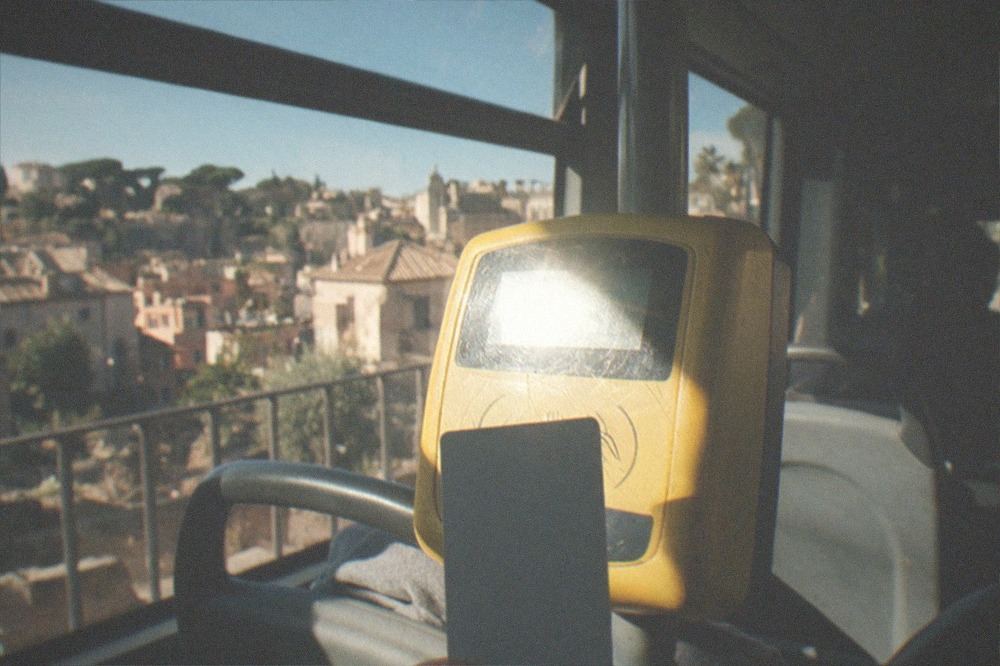
The Tap and Go system exists precisely because the ticket-buying ritual is where visitors slip up. Instead of hunting for a tabaccheria or wrestling with a station machine, you hold the same bank card against the reader at the front door every time you board, and the fare settles on your card statement later. The four-tap cap means a heavy sightseeing day costs exactly 8.50 euros, the same as buying the day pass deliberately, and a light day costs 1.50 or 3.00 euros, which is cheaper than the pass. The wider set of guides lives on Free Things To Do In Rome.
The rules that make it work cleanly: use the same card, every time, for every person is separate cards, and tap only when boarding, not when leaving. Mixing a card and a paper ticket in the same day is where people create problems for themselves, because the cap only counts taps on one card. A couple should each carry their own card rather than one person paying for both.
For readers weighing whether a guided walk fits a tight budget, the arithmetic is friendly. A pay-what-you-want walk plus one or two tapped bus rides is a full day of sightseeing for the cost of a tip and a few euros of transport. The question of whether these walks are worth it at all has its own answer, and the honest one is that the free-walking-tour model in Rome is a genuine bargain when the guide is good: our piece on whether free walking tours in Rome are worth it goes through the evidence.
Strikes, Night Buses And The Questions That Catch People Out
Rome's buses are not free, and they are also not always running. The official national register of transport strikes is published by the Ministry of Infrastructure and Transport at scioperi.mit.gov.it, listing every proclaimed strike with dates and sectors. Night buses expanded in July 2026 under the Piano Roma Notte, with key night lines running every 8 to 10 minutes on Saturday nights.
The strike register is the kind of official tool most guidebooks never mention. Before a day built around buses, a thirty-second check of the national strike register tells you whether a national or local strike is proclaimed, which sectors it touches and what its guaranteed-service bands are. Rome strikes are announced in advance and published in writing, so being caught by one is almost always a planning failure rather than bad luck.
Night service improved in a way that matters for evening plans. From July 2026, under what ATAC calls Piano Roma Notte, the night lines NMA, NMB, NMB1 and NMC run every 8 to 10 minutes on Saturday nights, with 72 extra journeys and travel assistants on Thursday, Friday and Saturday nights. For anyone leaving a late dinner in Trastevere or a ghost-and-mystery walk that ends after midnight, that expansion turned a long walk or an expensive taxi into a short wait at a lit stop.
The Two-Hour Highlights Walk, meeting at Campo de' Fiori and rated 4.9 across 722 GuruWalk reviews, is one of those evening-friendly options that pairs naturally with the night network. It covers the essential highlights in two hours on foot, in English, pay what you want, and its start point sits within reach of several bus corridors. A visitor can ride in on a tapped fare, walk the route, and ride home on a night line, with the day's transport cost capped at 8.50 euros no matter how many rides.
Why Rome's Centre Rewards Walking Over The Bus Anyway
Rome's ZTL Centro Storico bars non-authorised vehicles Monday to Friday 06:30-18:00 and Saturday 14:00-18:00, and a 30 km/h limit applies across the zone from 15 January 2026. Much of the historic centre is simply not served by through traffic, which is why buses skirt it and why walking is often faster door to door.
The limited traffic zone is the structural fact behind every "can I walk it?" question. The daytime rules and the night-time extension, Friday and Saturday 23:00 to 03:00, inactive in August, are published by Roma Servizi per la Mobilita on its ZTL page. The practical consequence for a visitor is that the streets between the Pantheon, Piazza Navona and Campo de' Fiori carry almost no cars at all, and buses route around the core rather than through it. This stop sits on a free walking route, Two-Hour Highlights Walk.
That geography is why this site exists and why its core advice keeps circling back to shoes rather than tickets. The distances between the headline sights inside the walls are short, the streets between them are the attraction, and the money a visitor saves by walking is matched by the access walking buys: squares with no ticket, churches with no queue, viewpoints like the Gianicolo that are published by Roma Capitale as always accessible and free. For the full picture on which routes are genuinely walkable and what the alternatives cost, the companion guide on getting around Rome on foot covers the walkable distances in detail.
Trastevere is the case study. The rione's lanes are narrow, its Sunday market at Porta Portese floods the streets with people, and the neighbourhood's best content, from the free basilica of Santa Maria in Trastevere to the Gianicolo terrace above it, is reachable only on foot. The guide to free things to do in Trastevere lays out the neighbourhood walk by walk, and the Ghetto and Trastevere walk in the band below is the pay-what-you-want way to have it explained rather than just navigated. One of the free walking routes passes through here: Ghetto And Trastevere, English.
Common Questions About Buses In Rome
Are Buses In Rome Free?
No. Every rider aged 11 and over needs a ticket, and the standard BIT costs EUR 1.50, valid 100 minutes across buses, trams and urban rail with one metro journey. Children up to 10 ride free with a fare-paying adult. The lack of gates means nothing: fines for riding without a valid ticket total 104.90 euros.
How much is a bus ticket in Rome?
A single BIT ticket costs EUR 1.50. Day passes cost EUR 8.50 for 24 hours, EUR 15.00 for 48 hours and EUR 22.00 for 72 hours, with a weekly CIS at EUR 29.00. Those prices rose on 1 July 2025, so older sources quoting lower figures are out of date.
Do I need to validate my ticket on Rome buses?
Yes. ATAC's conditions of carriage require validation at the start of each journey and require you to keep the ticket for the whole ride. An unvalidated ticket counts as no ticket, and the fine is 104.90 euros, reduced to 54.90 if paid within five days.
Can I just tap my card instead of buying a ticket?
Yes. Contactless Tap and Go charges EUR 1.50 per journey, the same as a BIT, and automatically applies the EUR 8.50 Roma 24H fare after four taps within 24 hours, so you cannot overpay. Use the same card for every tap, and a separate card for each person travelling.
Do children pay for public transport in Rome?
Children up to 10 years old travel free on ATAC buses, trams and metro, and on Cotral urban routes inside Roma Capitale territory, when accompanied by a fare-paying adult. That is the only broad free-ride category a visitor qualifies for.
How do I check for transport strikes in Rome?
Check the official national register of transport strikes at scioperi.mit.gov.it, run by the Ministry of Infrastructure and Transport. It lists proclaimed strikes with dates, sectors and modalities. Rome strikes are announced in advance, so a quick check the evening before a bus-heavy day is usually enough.